Anyone who has ever played in a school band, marched in a parade, or gigged on a weekend knows the creeping dread of a mechanical failure. A stuck valve, a torn pad, or a stripped screw just days before a major performance is a musician’s worst nightmare. You would think that in our hyper-connected e-commerce era, fixing these issues would be as simple as clicking a button and waiting for a box to arrive on your porch.
Yet, many musicians, band directors, and parents are finding that the process is actually becoming more of a headache. Whether you are maintaining a single student trumpet or outfitting an entire high school music program, keeping your musical instruments in top playing condition has turned into a surprisingly complex chore.
Why is it suddenly so difficult to find the gear you need, and more importantly, how can you navigate the current landscape to keep the music playing?
The Core Problem: Why Are Parts So Hard to Find Now?
Let’s look at the reality of the market right now. The industry that manufactures and distributes musical gear has experienced significant shifts over the last few years, creating a perfect storm for consumers.
1. The Flood of White-Label and Counterfeit Goods
If you search for replacement pads for a saxophone or a new mouthpiece for a clarinet on massive, generalized online marketplaces, you will be bombarded with thousands of results. The problem? A huge percentage of these are cheap, unbranded knock-offs.
On a computer screen, a generic $5 water key looks exactly like a high-quality $20 original manufacturer part. But in your hands, the difference is obvious. These generic band instrument parts are often made with subpar metals (like brittle "pot metal" instead of durable brass) or synthetic felts that compress and wear out in weeks. When you order from a generalized marketplace with third-party sellers, you are rolling the dice on authenticity.
2. Lingering Supply Chain Bottlenecks
Even legitimate, name-brand manufacturers have faced serious logistical hurdles. The specialized nature of these items means they aren't mass-produced in the millions. Raw materials—like specific alloys for brass or high-grade cork for woodwinds—have faced global shortages. Because many of these components are manufactured overseas and shipped to the USA, port delays and freight costs have led to chronic backorders on essential maintenance items.
The Real Cost of Settling for Subpar Replacements
It is incredibly tempting to just buy the cheapest, fastest-shipping item available when you are in a pinch. However, the long-term effects on your gear can be disastrous.
A poorly fitted cork on a trombone might seem like a minor annoyance, but it can cause subtle air leaks that ruin intonation and tone quality. A student musician might blame themselves for sounding bad, not realizing their instrument is fighting against them. Over time, forcing incompatible or poorly machined band instrument parts into your gear can cause permanent damage, turning a routine $15 at-home repair into a $500 overhaul at a professional shop.
As musicians, we invest heavily in our sound. Compromising on the small, hidden components ultimately compromises the entire performance and shortens the lifespan of the instrument itself.
How to Fix It: A Foolproof Guide to Sourcing What You Need
So, how do we bypass the junk, avoid the backorders, and get our horns back in working order? It comes down to changing how and where we shop online.
Know Your Exact Specifications
Stop searching for broad terms like "trumpet valve spring" or "flute screw." Instead, search for the exact make, model, and manufacturing year of your horn. Knowing the specific millimeter measurements or proprietary thread counts of your required parts will immediately filter out the generic garbage. If you aren't sure, consult a local repair technician before hitting "add to cart."
Trust Dedicated, Niche E-commerce Retailers
Instead of relying on giant online mega-stores that sell everything from lawnmowers to groceries, look for dedicated e-commerce businesses based in the USA that specialize specifically in the music niche.
Specialized retailers curate their inventory. They understand the difference between a beginner-level replacement and a professional-grade upgrade. By shopping with dedicated music supply stores, you gain access to vetted products and customer service representatives who actually understand what a ligature or a tuning slide is.
Start With a Foundation of Quality
Interestingly, the philosophy of prioritizing quality doesn't just apply to professional or high school band gear. It trickles all the way down to early childhood education. Even when introducing kids to music for the very first time, the quality of the gear matters.
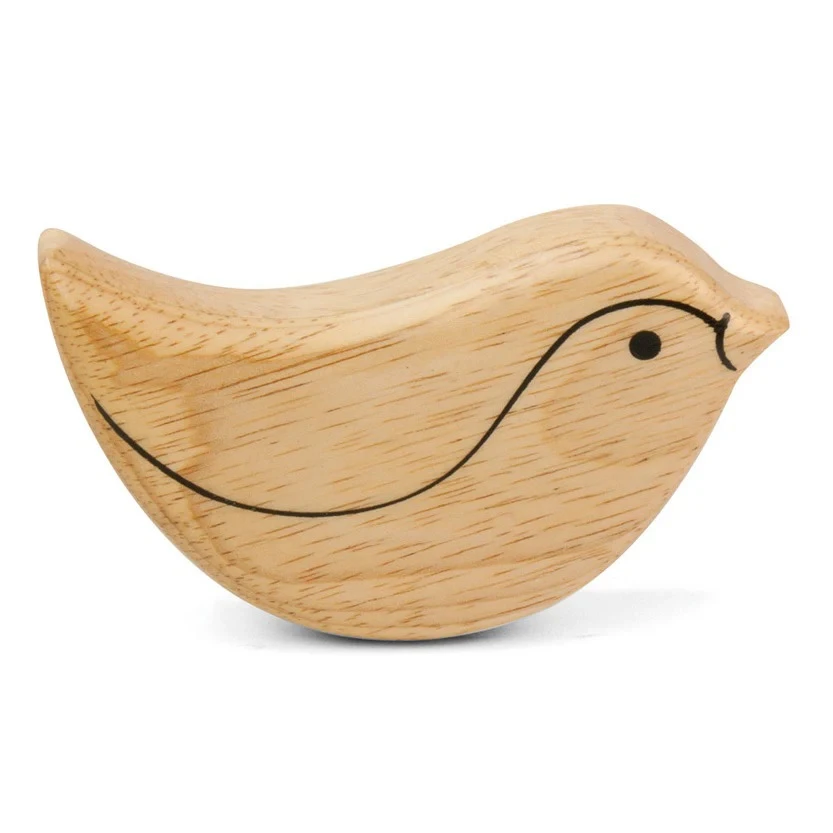
Parents looking to spark that initial interest often start with early developmental gear to teach rhythm and basic pitch. If you are looking to introduce the next generation to the joy of sound, exploring well-made musical toys sets the stage for a lifelong appreciation of real musical instruments later on. A well-constructed introductory item teaches children that music is something to be valued and cared for, not just a disposable plastic distraction.
Final Thoughts on Keeping Your Gear Gig-Ready
At the end of the day, maintaining your gear shouldn't be the hardest part of being a musician. By avoiding the trap of cheap knock-offs, knowing your exact specifications, and sourcing your band instrument parts from trusted vendors, you can keep your focus exactly where it belongs: on the music itself.
When it comes to finding a reliable partner for your musical journey, Tope Band Supply is dedicated to providing high-quality solutions for musicians of all levels across the USA. From essential maintenance components to everyday musical necessities that inspire creativity, checking out a trusted e-commerce source like Tope Band Supply ensures you get the reliability, sound, and performance you deserve.