The "Cost Per Wear" Equation
Fast fashion relies on the sticker price. A $20 acrylic sweater seems like a steal until it pills and loses its shape a month later.
Smart shoppers, however, look at "Cost Per Wear" (CPW).
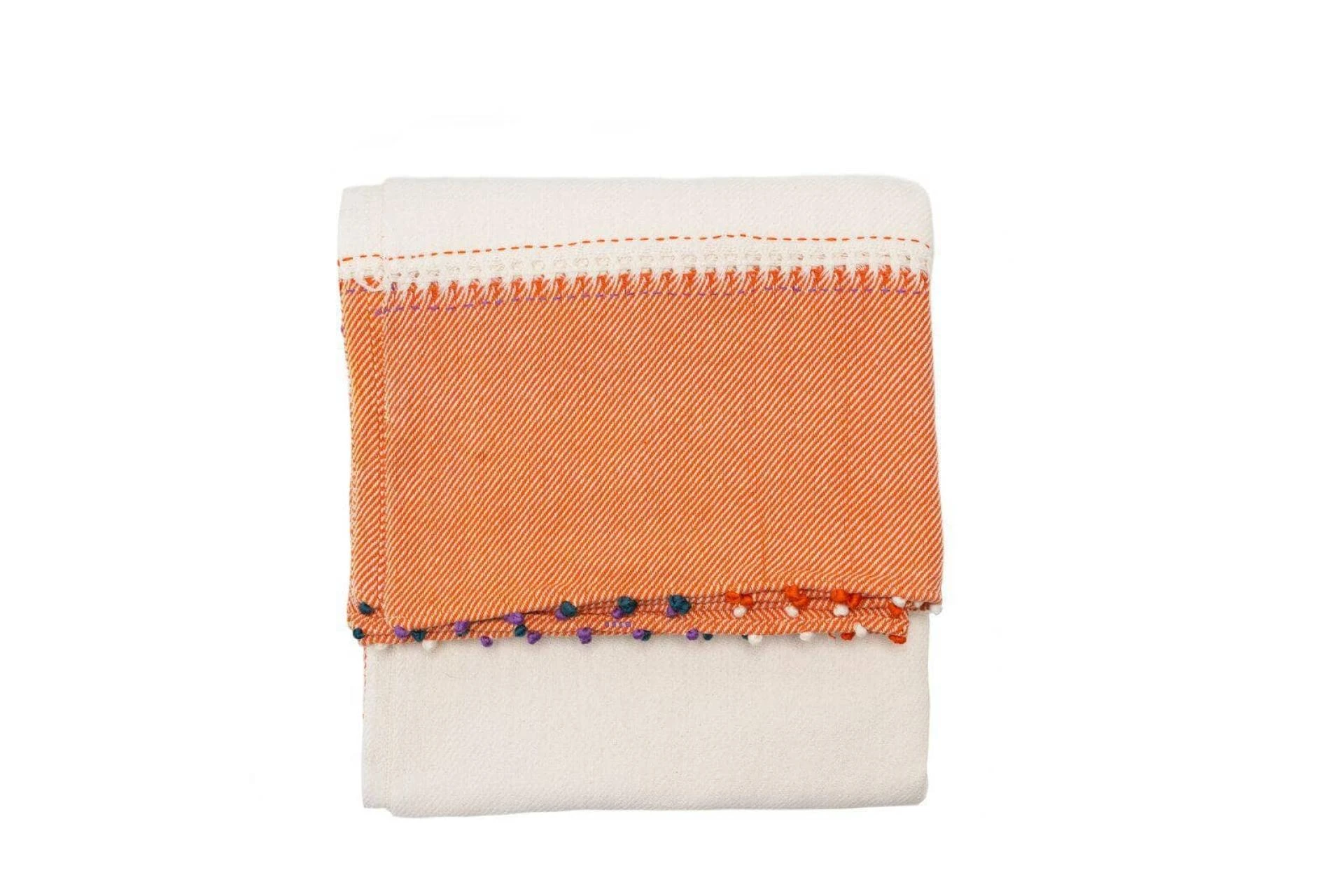
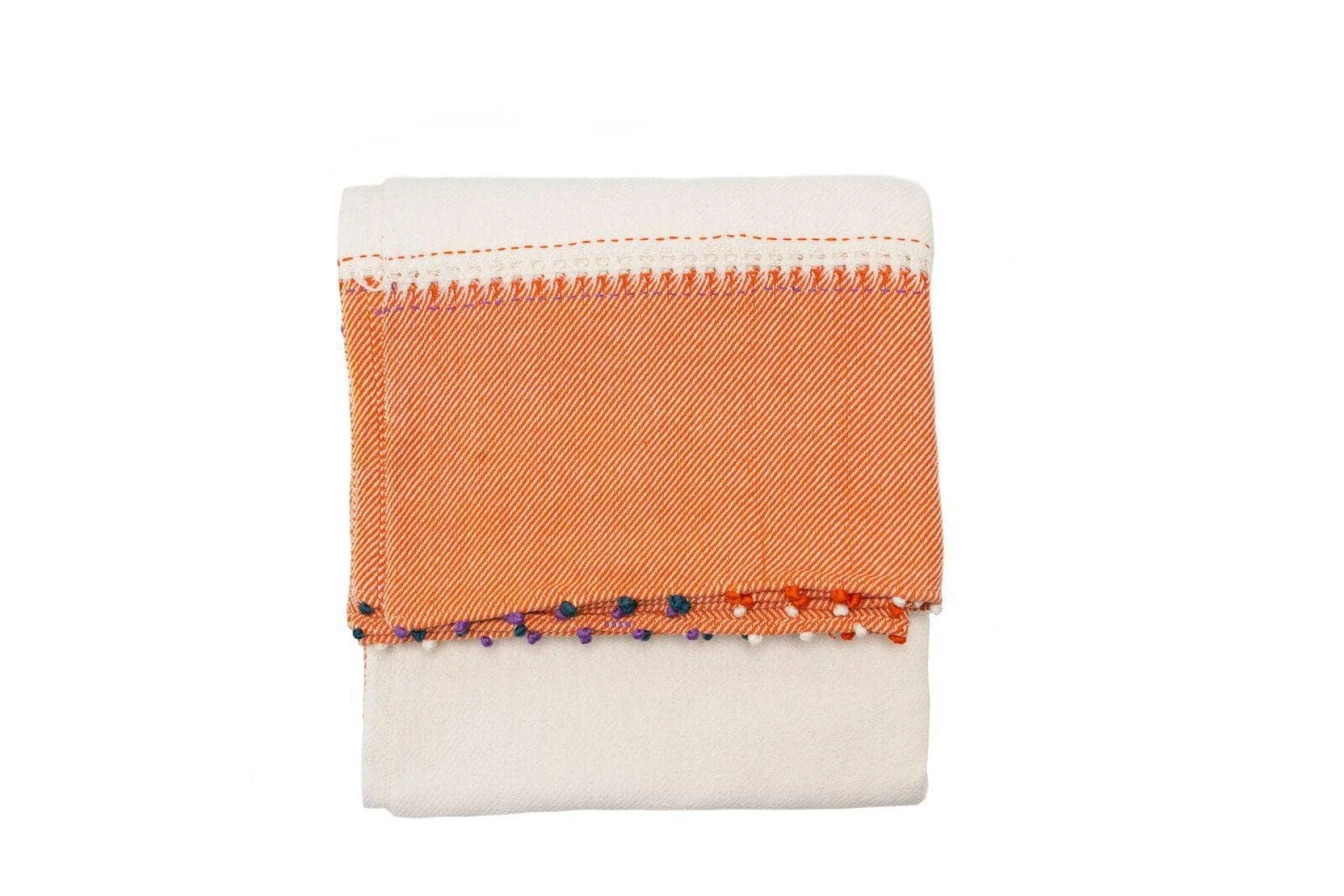
A high-quality pashmina scarf might have a higher upfront cost, but its lifespan is measured in decades, not seasons. Pashmina—derived from the fine undercoat of Himalayan goats—is incredibly durable despite its delicate feel. When you invest in an authentic piece, you are buying something that gets softer with age, not rattier.
If you wear that scarf twice a week for five years, it costs pennies per wear. Compare that to the "trendy" jacket you wore twice before the zipper broke. The math is simple: luxury is actually cheaper in the long run.
Versatility: One Item, Endless Looks
The biggest problem with fast fashion is that items are often "one-note." A neon crop top only works in very specific contexts.
The antidote to a cluttered closet is versatility, and nothing works harder than a pashmina. It is the ultimate shape-shifter.
The Magic of the Pashmina Shawl Wrap
In the morning, it is a chic scarf looped around your neck to elevate a simple white tee and jeans. By evening, it transforms into an elegant pashmina shawl wrap draped over your shoulders for a dinner date.
This transition is key for the modern woman who is busy. You don't have time to go home and change. You need accessories that adapt.
Furthermore, for travelers, it is non-negotiable. Anyone who has frozen in the aggressive air conditioning of an airplane knows the struggle. A generic polyester scarf often feels scratchy and doesn't trap heat efficiently. A real pashmina regulates body temperature naturally—keeping you warm on the plane but breathable when you land in a warmer climate. It replaces the need for a travel blanket, a cardigan, and a bulky coat.
Texture Talks: Why Natural Fibers Win
There is a visceral difference between synthetic fabrics and natural ones. Fast fashion is dominated by synthetics—nylon, polyester, acrylic. These fabrics don't breathe. They trap sweat, hold onto odors, and generally feel "plastic" against the skin.
Pashmina is different. It creates an immediate sense of luxury that isn't about a logo; it's about the feel. The "Old Money" aesthetic that is currently trending isn't about flashing brand names; it's about fabric quality.
When you drape a genuine pashmina over your shoulders, the drape is fluid. It doesn't bunch up awkwardly like stiff synthetic scarves. It hangs with a weight and elegance that instantly makes an outfit look more expensive.
If you are looking to upgrade your wardrobe with these kinds of natural, artisan textures, exploring a curated collection of pashminas is the best place to start. You want pieces that prioritize the integrity of the weave over mass production.
Sustainability is the New Status
Let’s be honest: in 2026, over-consumption is a bit embarrassing. Telling someone you bought a scarf from a brand that churns out 5,000 new styles a day doesn't feel like a flex anymore.
There is a growing consciousness about who made our clothes. Fast fashion obscures the maker. Artisan fashion celebrates them.
Genuine pashmina scarves are often the result of generations of craftsmanship. There is a human hand involved in the spinning, the weaving, and the dyeing. When you buy one, you are often supporting a heritage craft rather than a factory line.
This narrative matters. Wearing something with a story is infinitely more stylish than wearing something that was mass-produced by a machine. It connects you to a tradition of beauty that fast fashion simply cannot replicate.
How to Style It (Without Looking Dated)
A common misconception is that pashminas are "formal" or strictly for older generations. That couldn't be further from the truth. The key is how you style it.
- The "Model Off-Duty" Look: Pair a neutral-colored pashmina (think beige, oatmeal, or charcoal) with a leather jacket, straight-leg denim, and ankle boots. Let the scarf hang loose and long for a relaxed, vertical line.
- The Belted Tuck: distinct and modern. Drape the scarf over your shoulders like a vest and belt it at the waist over a dress or a long shirt. It creates a structured, layered look that feels very high-fashion.
- The French Knot: Fold it in half, drape it around your neck, and pull the ends through the loop. It’s tidy, keeps you warm, and looks great with a structured blazer.
Conclusion: Buying Less, But Better
The shift away from fast fashion isn't just about saving the planet (though that's a huge part of it); it's about saving our own sanity. We are tired of clothes that fail us. We are tired of the constant pressure to keep up with micro-trends.
Building a wardrobe should be about collecting pieces you love—pieces that serve you, not the other way around. A pashmina shawl wrap is the embodiment of this philosophy. It is reliable, beautiful, and fundamentally useful.
If you are ready to stop the cycle of disposable clothing and invest in accessories that carry a soul, Guadalupe Design offers the kind of authentic, beautifully crafted pieces that define this new era of thoughtful shopping. It’s time to wrap yourself in something real.