
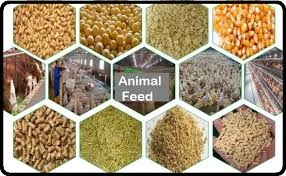
You know what? Choosing the right supplier for Animal Feed in Malaysia is a big deal. Especially when you’re running a B2B operation in Malaysia. It often boils down to trust. And trust isn’t just a buzzword—it’s profit, peace of mind, and growth rolled into one.
1. Quality You Can Measure
Ever lifted a bag of feed and noticed it felt… off? Maybe dusty or oddly colored. That’s a red flag. A trusted supplier ensures consistent quality. They follow SIRIM or GMP certifications.
Consistency here isn’t optional. Nutritious feed means healthier livestock, fewer vet bills, and a better feed conversion ratio (FCR). For B2B buyers, that’s a direct boost to your bottom line.
2. Food Safety & Traceability
A supply chain can collapse in the absence of a tracing system. With a reliable provider of Animal Feed in Malaysia, however, you are aware of the precise origin of the materials. It’s like following a GPS trail—from local mills straight to your farm.
That traceability helps a lot when regulatory bodies ask questions. You avoid recalls and potential losses. It's about safety and reputation. You didn’t invest in your operation to be derailed by something preventable.
3. Technical Support & Advisory
Buying feed isn’t just a one and done purchase. A reliable supplier often sends their nutritionists or agronomists your way. They visit the farm, review your livestock’s growth curves, and tweak feed rations.
That kind of hands on service? It’s like upgrading from a back street mechanic to a professional pit crew. Their expertise helps prevent issues before they show up in your production metrics.
4. Cost-Effective Bulk Pricing
Large scale buyers get volume discounts. A trustworthy supplier usually offers tiered pricing or contract rates. You can plan your cash flow better.
5. Risk Management
Seasonal shortages happen, whether due to weather disruptions or import delays. A reputable supplier prepares for it. They diversify raw material sourcing or keep buffer stocks.
They might even work with Malaysian agro parks or university trials to test new feed blends. That kind of foresight supports both supply stability and local sustainability.
6. Building Long-Term Partnerships
Picture signing deals, making forecasts, and building trust. Over time, your supplier gets to know your operation’s quirks. Maybe your poultry farm responds well to higher calcium blends. Or your cattle show better weight gain on a particular protein mix.
That know how can translate into maize soy cycling, contract farming tie ups, or collaborative R&D on probiotics or organic minerals. You move together, not just transact.
7. Brand & Market Advantage
Consumers are getting picky about how animals are raised. Organic, antibiotic free, cage free—they care. Using certified feed from a respected supplier helps you tell a compelling story.
You can tag your products with verifiable quality labels, maybe even halal or halal plus certification. That lifts your brand against competitors who don’t have traceable feeds.
Sensing the Local Seasons
Kuala Lumpur heat, East Malaysia’s humidity, or dry spells in Kedah—all affect feed storage and nutrient stability. A local supplier understands these conditions and recommends best fit packaging solutions.
It’s little things—like moisture resistant bags, stock rotation based on weather forecasts, or summer break grain blends—that keep quality intact. Sometimes those details make the difference between a routine quarter and a spike in feed waste.
Checklist for Choosing a Supplier
- Certifications: SIRIM, GMP, HACCP—check.
- Traceable sourcing: local mills, documented shipments.
- On-site support: nutritionists, agronomists, vet liaisons.
- Inventory play: regional warehouses, mop-up stocks.
- Tech adoption: real time feed monitoring tools, apps for delivery tracking.
- Sustainability ties: collaboration with agro-universities or eco studies