Couples often begin wedding planning by searching for a beautiful ceremony location. They consider décor, lawns, banquet spaces, photography and the appearance of the venue, but may postpone one of the most important decisions: where the guests will stay.
Accommodation affects almost every wedding function.
If relatives are divided across several hotels, families must coordinate vehicles, check-in times, luggage, meals and repeated transfers. Senior citizens may become tired, children’s routines become difficult to manage, and guests can arrive late because they are unfamiliar with the city.
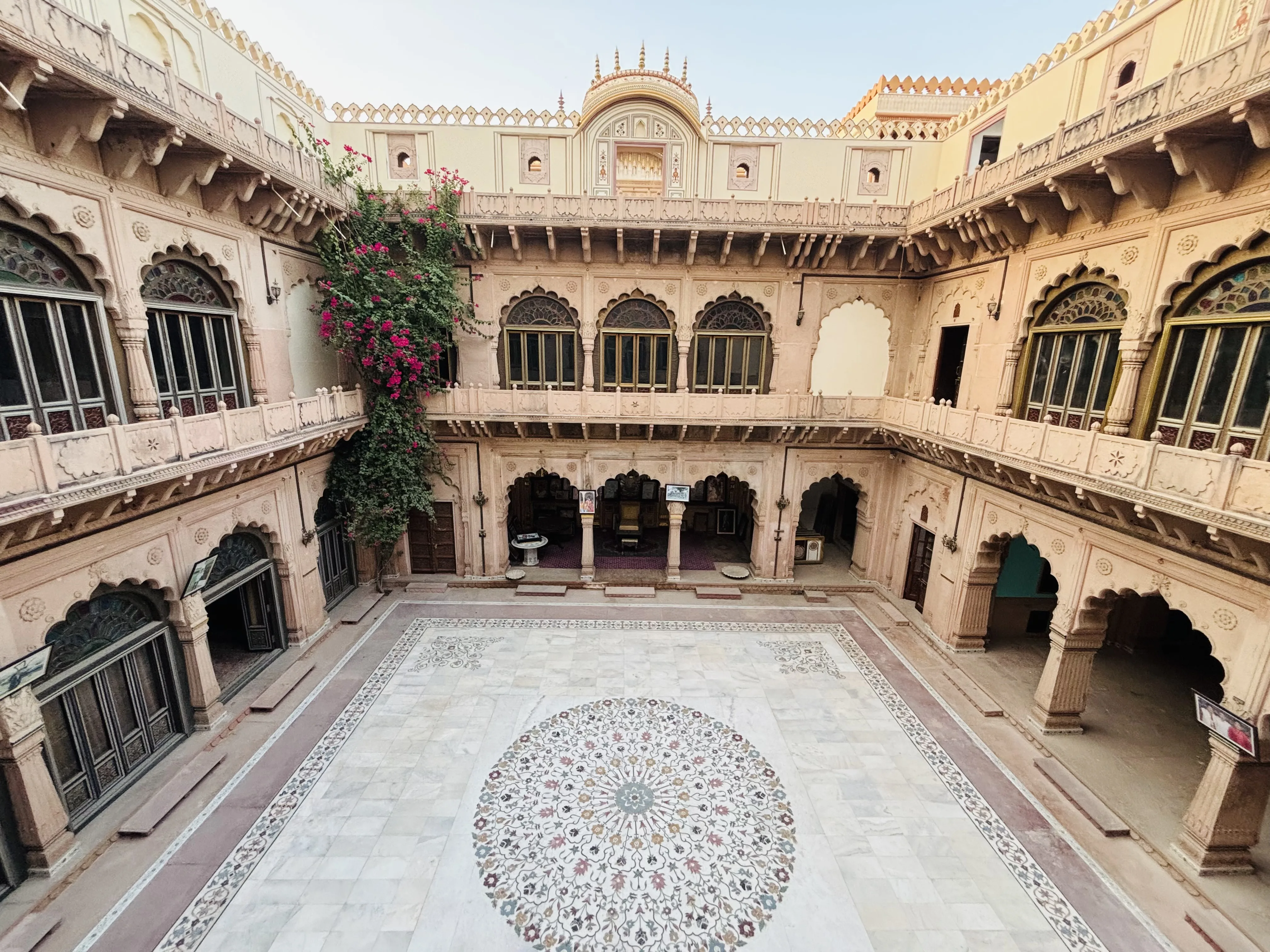
Mahal Khas Palace offers a more connected approach. Located within the historic Lohagarh Fort environment in Bharatpur, the heritage property provides 84 rooms and suites along with a culturally meaningful setting for celebrations and group stays.
For couples searching for a Wedding Hotel in Bharatpur, Mahal Khas Palace can help make guest accommodation part of the wedding experience instead of treating it as a separate logistical problem.
Quick Answer: Why Should Wedding Accommodation Be Planned Early?
Wedding accommodation should be planned early because the number, type and location of available rooms influence guest comfort, transportation, function timing and the complete wedding budget.
Keeping relatives within one principal property can reduce repeated transfers and give families a common place to meet between functions.
Mahal Khas Palace’s 84-room capacity makes it relevant for weddings involving outstation guests, extended families and multi-day celebrations. Final room allocation, event spaces and services should be confirmed directly according to the wedding date and guest requirements.
How Does Accommodation Affect a Multi-Day Wedding?
An Indian wedding may involve several connected functions, such as:
- Guest arrival and welcome
- Family meetings
- Haldi
- Mehendi
- Sangeet
- Engagement-related ceremonies
- Wedding rituals
- Reception
- Post-wedding breakfast
- Guest departures
Each function has its own timing, clothing and preparation requirements.
When guests stay far from the celebration venue, every function may require:
- Vehicle coordination
- Multiple pickup points
- Repeated phone calls
- Driver instructions
- Buffer time for traffic
- Assistance with luggage
- Support for senior citizens
- Management of children
- Late-night return travel
- Another transfer the following morning
These repeated movements can increase fatigue and reduce the amount of time families actually spend together.
Accommodation within or near the principal celebration environment can make the wedding rhythm more manageable.
Why Are 84 Rooms Important for Wedding Planning?
Room count does not only determine how many guests can sleep at the property. It also influences how effectively the family can organise different groups.
Mahal Khas Palace has 84 rooms and suites, allowing planners to consider separate accommodation clusters for:
- The couple’s immediate families
- Senior relatives
- Families with young children
- Close friends
- Outstation guests
- Ceremony participants
- Event coordinators
- Photographers or approved vendors
- Special guests
- Guests requiring additional support
Actual room capacity depends on room category, permitted occupancy, additional-bed policies and availability on the selected date.
The wedding family should obtain written confirmation of the room inventory before communicating accommodation details to guests.
How Should Rooms Be Allocated?
Random room assignment can create avoidable confusion.
A thoughtful allocation plan should consider relationships, age, responsibilities and convenience.
Keep Immediate Family Members Accessible
Parents, siblings and close relatives may need to coordinate ceremonies, clothing, gifts and guest arrivals. Their rooms should be planned for practical communication.
Prioritise Senior Citizens
Senior guests may benefit from conveniently located rooms with easier access to important areas. Any mobility requirements should be explained before allocation.
Keep Families With Children Together
Parents may prefer nearby rooms so children can interact safely and routines remain easier to manage.
Identify Ceremony Participants
Guests involved in rituals should be easy for the family or wedding coordinators to contact before each function.
Consider Arrival and Departure Times
Late-arriving guests and people leaving early may need room assignments that simplify check-in, luggage and transportation.
Maintain a Reserved Allocation
A small number of rooms may be kept unassigned until closer to the wedding for last-minute changes, subject to availability and the booking agreement.
A clearly maintained rooming list can prevent confusion at reception.
Why Does a Heritage Palace Improve the Guest Experience?
Wedding guests do not remember only the ceremony. They remember where they stayed, how they were welcomed, the time they spent with relatives and how the complete destination felt.
Mahal Khas Palace was built in 1826 during the reign of Maharaja Balwant Singh. Its location inside the Lohagarh Fort environment connects the wedding stay with Bharatpur’s royal and architectural history.
This gives guests:
- A sense of arrival
- A distinctive heritage atmosphere
- Historically meaningful surroundings
- Memorable family photography
- A stronger connection with Bharatpur
- An experience beyond a conventional city hotel
- A setting that supports the importance of the occasion
- Stories they can share after returning home
For outstation guests, staying in a palace can become one of the most memorable parts of attending the wedding.
How Does Mahal Khas Palace Balance Heritage and Comfort?
A heritage atmosphere creates emotional and visual value, but wedding guests also need practical comfort.
They may require:
- Prepared rooms
- Comfortable bedding
- Private bathrooms
- Climate control
- Housekeeping
- Clear meal timings
- Luggage assistance
- Guest communication
- Space to prepare for functions
- Helpful hospitality staff
- Support for senior citizens
- Coordination across multiple days
Mahal Khas Palace operates as a four-star heritage hospitality property, combining restored architectural character with contemporary accommodation.
Room options include Deluxe Rooms and suite categories. The Royal Suite is presented with a spacious layout, a king-size bed, heritage-inspired décor and an en-suite bathroom with a Jacuzzi.
Exact room specifications, inclusions and current availability should be reconfirmed during wedding planning.
Why Is a Palace Setting Suitable for Indian Wedding Rituals?
Indian weddings bring together family, tradition and symbolism. The setting should support this emotional character without distracting from it.
A historic palace can complement wedding rituals because it provides:
- Architectural depth
- Traditional visual character
- A sense of continuity
- Spaces with cultural meaning
- An atmosphere suitable for family ceremonies
- Distinctive backgrounds for photographs
- A connection between past and present
Mahal Khas Palace’s nineteenth-century heritage can give each wedding moment a strong sense of place.
The property does not need to imitate royal architecture because it occupies a genuine palace environment connected with Bharatpur’s history.
Can One Property Simplify Guest Transportation?
Yes. Centralising accommodation can substantially reduce local travel.
When guests stay within one principal property, planners may need fewer pickup points and less coordination between unrelated hotels.
This can help with:
- Timely arrival at functions
- Late-night guest safety
- Luggage management
- Senior-citizen comfort
- Children’s routines
- Family communication
- Vendor scheduling
- Emergency assistance
- Group departures
- Post-event rest
Transportation may still be required for railway stations, airports, external ceremonies or sightseeing. However, keeping the main wedding group together can simplify the most repeated movements.
Couples considering a Hotel for Destination Wedding in Bharatpur should calculate transport requirements alongside room prices instead of comparing accommodation tariffs separately.
How Can a Shared Stay Improve Family Connection?
Weddings are among the few occasions when relatives from different cities and generations gather in one place.
If guests return to separate hotels immediately after each function, many spontaneous family moments are lost.
A shared property can create opportunities for:
- Morning tea with relatives
- Informal conversations
- Children spending time with cousins
- Grandparents meeting younger generations
- Families preparing for ceremonies together
- Post-function discussions
- Shared breakfasts
- Rehearsals and coordination
- Quiet moments between celebrations
- Group photographs outside scheduled events
These experiences often become as memorable as the formal wedding programme.
Mahal Khas Palace allows the accommodation to support togetherness rather than simply providing rooms.
What Should Couples Ask About Room Categories?
Before blocking rooms, the family should request clear information about:
- Available categories
- Number of rooms in each category
- Permitted occupancy
- Additional-bed arrangements
- Child occupancy
- Suite availability
- Room facilities
- Check-in time
- Check-out time
- Early-arrival arrangements
- Late-departure conditions
- Meal inclusions
- Accessibility
- Room proximity
- Current taxes
- Cancellation terms
- Guest identification requirements
- Payment schedule
The rooming plan should be based on confirmed information rather than assumptions.
Why Are Check-In and Check-Out Times Important?
Wedding guests rarely arrive simultaneously.
Some may reach Bharatpur early in the morning, while others arrive after work or from distant cities. Standard hotel timings may not automatically align with the wedding programme.
The family should create an arrival plan covering:
- Expected arrival time
- Travel method
- Station or pickup point
- Room readiness
- Luggage holding
- Welcome arrangements
- Refreshments
- Contact person
- Function starting time
- Late-arriving guests
Departure planning is equally important.
If a wedding function ends late, an early check-out can be uncomfortable. The family should discuss whether additional accommodation time is required and what charges may apply.
How Should Senior Guests Be Accommodated?
Senior citizens often play important ceremonial and emotional roles in a wedding. Their comfort should be planned deliberately.
The family should ask about:
- Convenient room location
- Distance from important function areas
- Stair or lift requirements
- Bathroom configuration
- Comfortable seating
- Mobility assistance
- Meal timing
- Medical needs
- Quiet resting time
- Vehicle access
- Emergency contacts
- Attendant accommodation
Any special requirement should be communicated before the wedding rather than after the guest arrives.
How Can Families Manage Children During a Multi-Day Wedding?
Children bring energy to celebrations, but their routines can become difficult during late-night functions.
Parents may need:
- Rooms near close relatives
- Flexible meal options
- Rest periods
- Familiar food
- Safe preparation areas
- Space for essential belongings
- Clear supervision arrangements
- Convenient return from evening functions
- Additional bedding
- Help from family members
Keeping families within one property allows parents to take children back to their rooms without leaving the wider wedding environment.
This can make the celebration more enjoyable for both children and adults.
Why Does Dining Matter During a Wedding Stay?
Wedding meals are important, but guests also need food between major functions.
A multi-day accommodation plan should consider:
- Arrival refreshments
- Breakfast
- Lunch
- Evening tea
- Dinner
- Children’s requirements
- Senior-citizen preferences
- Dietary restrictions
- Late-arriving guests
- Early departures
- Vendor meals, where applicable
- Drinking water
Guests with allergies, medical diets or religious dietary requirements should provide precise information.
The wedding family should confirm which meals are part of the accommodation package and which belong to individual events.
How Can Mahal Khas Palace Support Wedding Photography?
Photography preserves both planned ceremonies and informal family moments.
A heritage palace can provide visual variety through:
- Architectural details
- Historic surroundings
- Courtyards or palace spaces, where permitted
- Traditional backgrounds
- Room interiors
- Family gathering areas
- Daylight and evening ambience
- Fort-associated settings
- Heritage textures
- Royal visual character
Photography access, equipment rules, timing and permitted locations should be confirmed with the property.
The historic setting can reduce dependence on temporary decorative backdrops because the architecture already gives photographs a sense of place.
Can Guests Explore Bharatpur During the Wedding?
If the wedding schedule allows, outstation guests may be interested in exploring the city.
Bharatpur is known for:
- Lohagarh Fort
- Keoladeo National Park
- Royal history
- Birdlife
- Local markets
- Regional food
- Cultural heritage
Mahal Khas Palace’s fort location makes the stay itself part of the cultural experience.
However, sightseeing should not interfere with rituals or transportation schedules. A clearly planned optional itinerary can be created for guests who have free time.
Keoladeo visits should be arranged according to current park timings, weather and seasonal conditions. Bird sightings cannot be guaranteed.
What Should Be Included in a Wedding Rooming List?
The rooming list should include:
- Guest name
- Contact number
- Number of occupants
- Children
- Senior citizens
- Room category
- Arrival date and time
- Departure date and time
- Travel details
- Dietary information
- Mobility requirements
- Relationship to the wedding family
- Responsible family coordinator
- Special notes
Only authorised planners should handle personal guest information, and it should be shared securely with the hotel.
The list should be updated regularly and finalised according to the property’s deadline.
Why Is One Hospitality Contact Important?
When several relatives independently call different hotel staff members, instructions can become inconsistent.
The wedding family should identify:
- One principal hotel coordinator
- One representative from each family
- One room-allocation manager
- One transportation coordinator
- One guest-assistance contact
- One payment authority
This creates a clear communication structure.
Questions about rooms, meals, arrivals and special needs can then be recorded and resolved systematically.
What Should Couples Confirm Before Finalising Mahal Khas Palace?
Before committing, couples should discuss:
- Total room inventory
- Available room categories
- Venue and event possibilities
- Guest capacity
- Meal arrangements
- Check-in and check-out
- Parking and transport access
- Accessibility
- Wedding photography
- Décor policies
- Sound and timing rules
- Vendor access
- Power and technical requirements
- Payment schedule
- Taxes
- Cancellation conditions
- Guest identification
- Dedicated coordination support
The complete terms should be recorded in the final written agreement.
What Makes Mahal Khas Palace Relevant for a Heritage Wedding Stay?
Mahal Khas Palace combines:
- A palace built in 1826
- Association with Maharaja Balwant Singh
- Location within Lohagarh Fort
- Approximately two centuries of heritage
- 84 rooms and suites
- Four-star heritage positioning
- Accommodation for wedding groups
- Distinctive photography settings
- Modern hospitality
- A strong connection with Bharatpur
These qualities make it more than an accommodation block.
The palace can become a shared environment where guests stay, prepare, meet and experience the cultural character of the destination.
For couples looking for a Luxury Heritage Hotel in Bharatpur, Mahal Khas Palace offers a combination of historical meaning, group accommodation and contemporary guest comfort.
Frequently Asked Questions
Where is Mahal Khas Palace located?
Mahal Khas Palace is situated within the historic Lohagarh Fort environment in Bharatpur, Rajasthan.
How many rooms does Mahal Khas Palace offer?
The property is presented as having 84 rooms and suites. Exact inventory and availability should be confirmed for the wedding dates.
Can wedding guests stay at the property?
Yes. Mahal Khas Palace can accommodate wedding and event guests, subject to room availability, occupancy and confirmed arrangements.
Is Mahal Khas Palace a heritage property?
Yes. The palace was built in 1826 during the reign of Maharaja Balwant Singh and is connected with Bharatpur’s royal history.
Does the property offer suites?
The palace offers room and suite categories, including a Royal Suite. Current specifications, inclusions and availability should be verified.
Can senior citizens be accommodated comfortably?
Specific mobility, room-location and accessibility requirements should be communicated before booking so suitable arrangements can be discussed.
Is Mahal Khas Palace suitable for a destination wedding?
Its heritage setting and 84-room capacity make it relevant for destination and multi-day wedding planning. Event facilities and services should be confirmed directly.
Can wedding photography be conducted at the palace?
Heritage surroundings may provide distinctive photography opportunities, subject to permission, timing and property policies.
Should rooms be booked in advance?
Yes. A substantial room block should be discussed early, particularly for popular wedding dates and large guest lists.
What should appear in the final agreement?
The agreement should clearly record rooms, categories, occupancy, meals, events, timings, services, charges, taxes, payment stages and cancellation conditions.
Conclusion
Guest accommodation is not a secondary part of wedding planning. It directly influences punctuality, comfort, transportation, family coordination and how guests remember the complete celebration.
Mahal Khas Palace offers 84 rooms and suites within a historic palace setting inside Lohagarh Fort. This allows couples to bring accommodation and heritage together rather than placing guests in unrelated hotels across Bharatpur.
When room allocation, senior-citizen needs, children’s routines, meals and transport are planned carefully, the palace can become a shared wedding home for the complete family.
The result is not only a more manageable celebration—it is a wedding experience in which guests remain connected with one another and with the heritage of Bharatpur.