
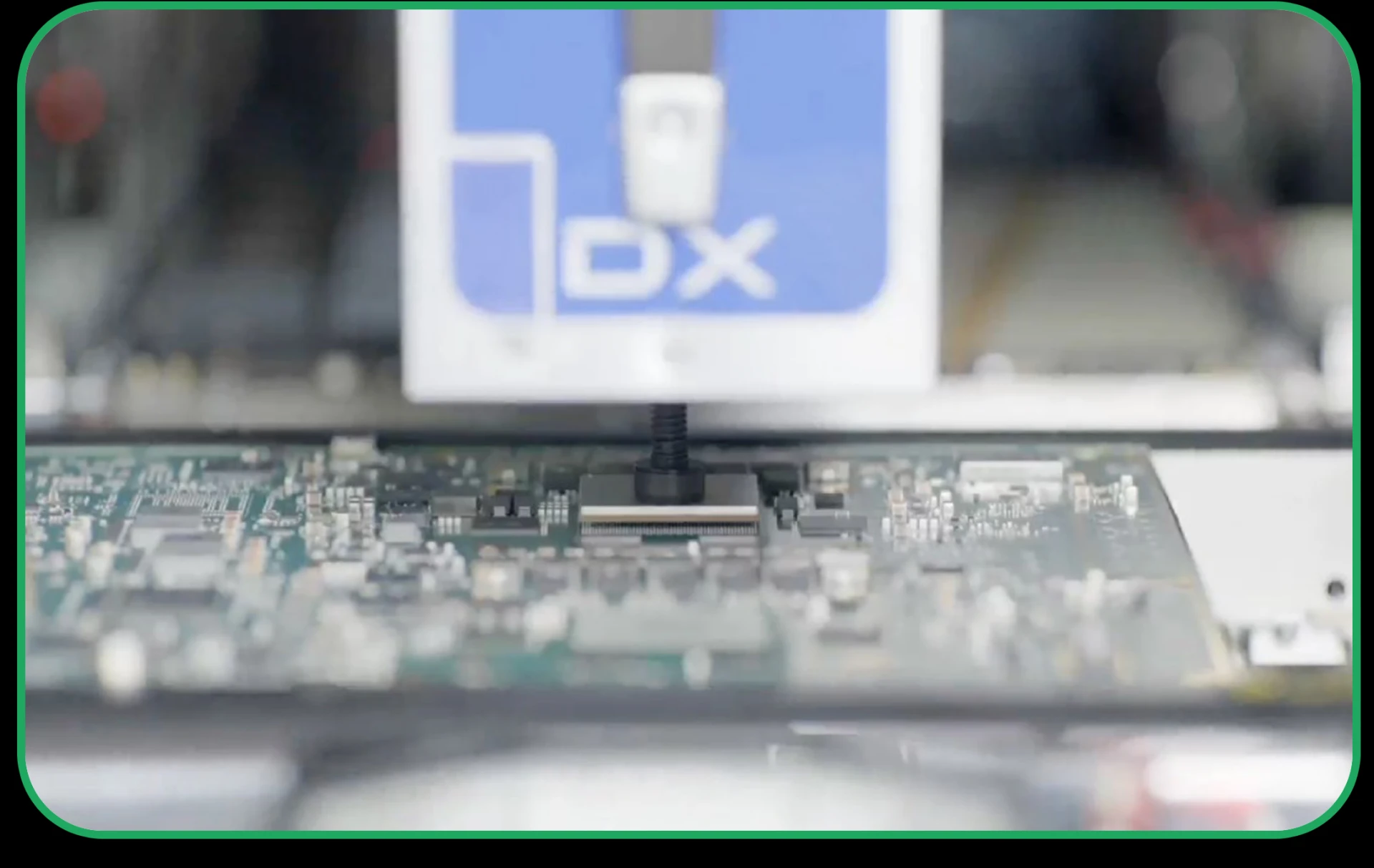
The aerospace industry is one of the most demanding sectors when it comes to technology and reliability. From satellites to aircraft systems, every component must deliver precision, efficiency, and durability under extreme conditions. Among the critical elements that ensure flawless performance, the rigid-flex board has emerged as a game-changer.
These advanced circuit boards combine the best of both rigid and flexible designs, making them indispensable in aerospace applications. Their ability to withstand vibration, temperature changes, and space constraints makes them far superior to traditional PCBs. In this article, we’ll explore why rigid-flex boards are essential in aerospace, their benefits, and how choosing the right rigid flex PCB manufacturer can make a significant difference.
What is a Rigid-Flex Board?
A rigid-flex board is a hybrid circuit that merges rigid PCBs with flexible circuits, creating a single, compact structure. This design allows the board to bend in specific areas while maintaining rigidity in others, making it ideal for complex aerospace systems where space and reliability are critical.
Key features include:
- Combination of rigid and flexible substrates.
- High-density interconnections.
- Lightweight yet durable design.
- Ability to handle dynamic mechanical stresses.
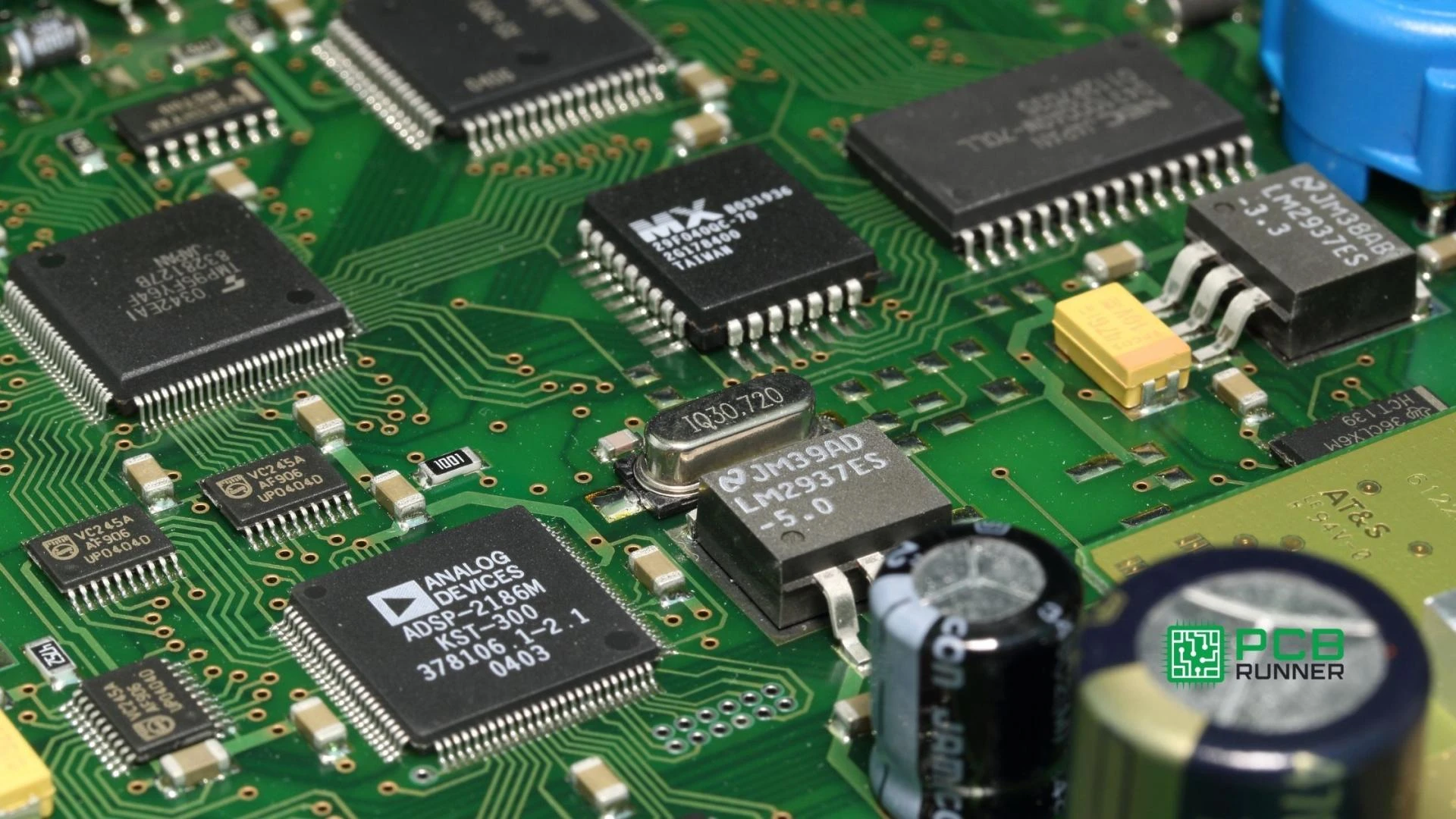
Why Aerospace Relies on Rigid-Flex Boards
The aerospace industry operates in extreme environments where traditional circuit boards often fail. Rigid-flex boards provide the perfect solution due to their versatility and resilience. Here’s why they are indispensable in aerospace applications:
1. Space-Saving Design
Space is always at a premium in aircraft and satellites. With a compact structure, rigid-flex boards reduce the need for connectors and wiring, allowing engineers to design more efficient and lightweight systems.
2. Enhanced Reliability
In aerospace, reliability is non-negotiable. By minimizing solder joints and connectors, rigid-flex boards eliminate common failure points, ensuring continuous performance even in high-stress environments.
3. Resistance to Harsh Conditions
Aerospace systems face vibration, shock, and extreme temperatures. Rigid-flex boards are engineered to resist these factors, making them more durable than conventional boards.
4. Improved Signal Integrity
The integrated design of rigid-flex boards ensures shorter electrical paths, which reduces interference and improves signal integrity — crucial for aerospace communication systems.
5. Lightweight Advantage
Reducing weight is essential for aerospace efficiency. With fewer connectors and cables, these boards contribute to lighter overall systems, which directly impacts fuel efficiency and payload capacity.
Key Benefits of Using Rigid-Flex Boards in Aerospace
Here are the most significant benefits of adopting rigid-flex boards in aerospace applications:
- Compact and lightweight: Ideal for small spaces within aircraft and satellites.
- High durability: Resistant to shock, vibration, and extreme conditions.
- Fewer components: Reduced need for connectors and cables means fewer potential points of failure.
- Improved electrical performance: Better signal integrity and reduced electrical noise.
- Design flexibility: Enables complex 3D configurations for modern aerospace systems.
- Long-term cost savings: Lower maintenance and replacement costs due to increased reliability.
Common Aerospace Applications of Rigid-Flex Boards
Rigid-flex boards are found in a wide range of aerospace technologies. Their adaptability makes them vital in:
- Avionics systems: Flight control systems, cockpit displays, and navigation.
- Communication devices: Satellite communication systems and onboard radios.
- Control units: Power management and monitoring devices.
- Sensor systems: Aerospace sensors for navigation, safety, and monitoring.
- Military aerospace equipment: Radar systems, defense electronics, and mission-critical applications.
Choosing the Right Rigid Flex PCB Manufacturer
Selecting the right rigid flex PCB manufacturer is just as important as choosing the technology itself. Aerospace projects demand top-tier expertise, advanced manufacturing processes, and stringent quality control. Here’s what to look for in a trusted partner:
- Experience in aerospace: Manufacturers should have proven experience with aerospace standards.
- Quality certifications: Compliance with IPC, AS9100, or other aerospace quality certifications.
- Advanced technology: Ability to design high-density interconnects and custom solutions.
- Testing capabilities: Rigid testing processes, including thermal, vibration, and reliability testing.
- Design support: Engineering teams that assist with prototyping and optimization.
Partnering with an established name like PCB Runner ensures that aerospace projects receive the precision, quality, and reliability they require.
The Future of Rigid-Flex Boards in Aerospace
As aerospace technology advances, the role of rigid-flex boards will continue to grow. With the increasing demand for miniaturisation, lightweight systems, and higher reliability, these boards are set to become even more essential.
Future trends include:
- Integration with IoT and AI systems in aerospace.
- More complex multilayer designs for advanced avionics.
- Greater use in space exploration, where durability and lightweight solutions are critical.
- Sustainability improvements, such as eco-friendly materials and energy-efficient production.
Final Thoughts
In aerospace applications, precision, reliability, and innovation are paramount. The rigid-flex board meets all these requirements, offering unmatched durability, space-saving design, and performance advantages. From avionics to satellites, these boards have become the backbone of modern aerospace electronics.
By choosing a skilled rigid flex PCB manufacturer, engineers and aerospace companies can ensure their systems are equipped with the most advanced and reliable circuit technology available. With their unique blend of flexibility and strength, rigid-flex boards are not just important — they are essential for the future of aerospace.