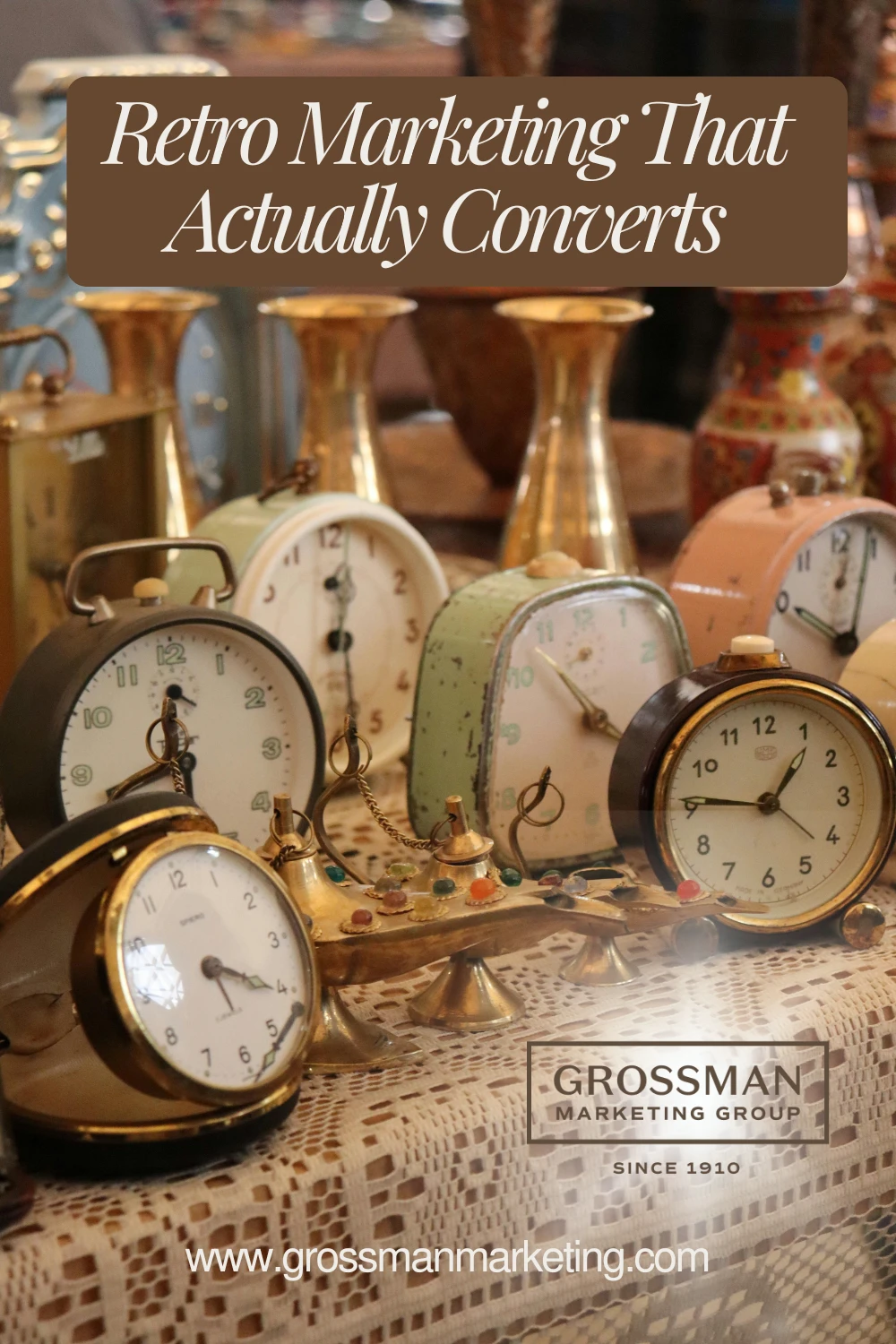
In a fast-paced digital world dominated by automation, algorithms, and short-form content, brands are constantly searching for ways to stand out. While innovation drives marketing forward, many companies are rediscovering the value of the past. This has led to the resurgence of retro marketing, a strategy that blends nostalgic elements with modern execution to create meaningful and memorable brand experiences.
Retro marketing is not about copying outdated ideas. Instead, it focuses on reintroducing proven concepts, such as storytelling, tangible engagement, and timeless design, into today’s marketing landscape. By doing so, brands can create deeper emotional connections while maintaining relevance in a competitive environment.
Understanding the Appeal of Retro Marketing
At its core, retro marketing leverages nostalgia. Nostalgia is a powerful psychological trigger that evokes positive emotions and memories. Whether it’s vintage packaging, classic typography, or throwback advertising styles, these elements make people feel comfortable and connected.
In marketing, emotional engagement is often more influential than logic. When consumers associate a brand with positive feelings, they are more likely to trust it and remain loyal. Retro marketing taps into this emotional space by reminding audiences of simpler times, creating a sense of authenticity that is often missing in purely digital campaigns.
Additionally, retro aesthetics have broad appeal. Older generations may feel a direct connection to familiar styles, while younger audiences often view retro designs as unique and trendy. This cross-generational appeal makes retro marketing a versatile strategy for a wide range of brands.
Breaking Through Digital Saturation
One of the biggest challenges in modern marketing is digital overload. Consumers are exposed to thousands of ads daily across social media, search engines, and streaming platforms. As a result, many messages are ignored or quickly forgotten.
Retro marketing offers a way to break through this noise. By incorporating physical elements such as direct mail, branded merchandise, or experiential campaigns, brands can create tangible interactions that stand out. These touchpoints feel more personal and less intrusive than digital ads, making them more likely to leave a lasting impression.
Even within digital channels, retro-inspired visuals can capture attention. Vintage color schemes, analog-style graphics, and nostalgic themes can differentiate a brand’s content in crowded feeds.
The Role of Storytelling in Retro Marketing
Storytelling has always been a cornerstone of effective marketing, and retro marketing emphasizes this approach. In earlier decades, advertising focused heavily on narratives that connected with audiences on an emotional level. Today, brands are revisiting these storytelling techniques to create more meaningful campaigns.
Retro marketing often involves highlighting a brand’s heritage, values, or journey. Even newer companies can adopt this approach by crafting stories that feel timeless and relatable. By focusing on authenticity rather than perfection, brands can build trust and foster deeper relationships with their audiences.
Combining Old-School Tactics With Modern Tools
The most successful retro marketing strategies do not ignore modern technology, they integrate it. For example, a brand might use vintage-inspired packaging alongside digital campaigns that amplify the message across social media and email marketing.
Similarly, traditional tactics such as promotional merchandise, print advertising, and experiential events can be enhanced with data-driven insights. This combination allows brands to maintain the emotional impact of retro marketing while achieving measurable results.
By blending old and new, companies can create campaigns that feel both familiar and innovative.
Why Retro Marketing Works for Brand Loyalty?
Brand loyalty is built on trust, consistency, and emotional connection. Retro marketing supports all three. The nostalgic elements create immediate familiarity, while consistent use of retro themes reinforces brand identity over time.
Additionally, retro marketing often involves higher-quality, tangible experiences. Whether it’s a well-designed piece of merchandise or a thoughtfully crafted campaign, these elements signal that a brand values quality and attention to detail.
When consumers perceive a brand as authentic and reliable, they are more likely to remain loyal and advocate for it. This makes retro marketing particularly effective for long-term brand building.
Applying Retro Marketing Across Industries
Retro marketing is not limited to any single industry. Retail brands use vintage packaging to create standout products, while tech companies incorporate retro design elements to humanize their offerings. Even corporate and B2B organizations are adopting retro-inspired campaigns to differentiate themselves in competitive markets.
For example, companies may use retro promotional items for client engagement, host themed events that reflect a specific era, or design campaigns that highlight their legacy. These strategies help brands connect with audiences in a way that feels both creative and authentic.
Turning Retro Marketing Into a Strategic Advantage
While retro marketing offers significant potential, its success depends on thoughtful execution. Simply adding vintage elements is not enough, the strategy must align with the brand’s identity and audience expectations.
This includes selecting the right design elements, choosing appropriate channels, and ensuring consistency across all touchpoints. High-quality execution is essential to avoid appearing outdated or gimmicky.
Partnering with experienced marketing professionals can help businesses navigate these challenges and maximize the impact of their campaigns.
Elevating Retro Marketing With Expert Guidance
For companies looking to implement effective retro marketing strategies, working with a knowledgeable partner can make a significant difference. Grossman Marketing Group helps brands combine nostalgic concepts with modern marketing techniques to create campaigns that resonate with today’s audiences.
From developing retro-inspired promotional merchandise to designing integrated marketing programs, their team focuses on delivering both emotional engagement and measurable results. By aligning creativity with strategy, Grossman Marketing Group ensures that retro marketing becomes a powerful tool for brand growth.
Conclusion: Blending the Past With the Future
As marketing continues to evolve, the most successful brands will be those that balance innovation with timeless principles. Retro marketing provides a unique opportunity to do exactly that. By drawing inspiration from the past while leveraging modern tools, businesses can create campaigns that feel authentic, memorable, and effective.
In a crowded marketplace, standing out requires more than just new technology, it requires meaningful connection. Retro marketing offers that connection, helping brands build stronger relationships and lasting impressions in an ever-changing world.