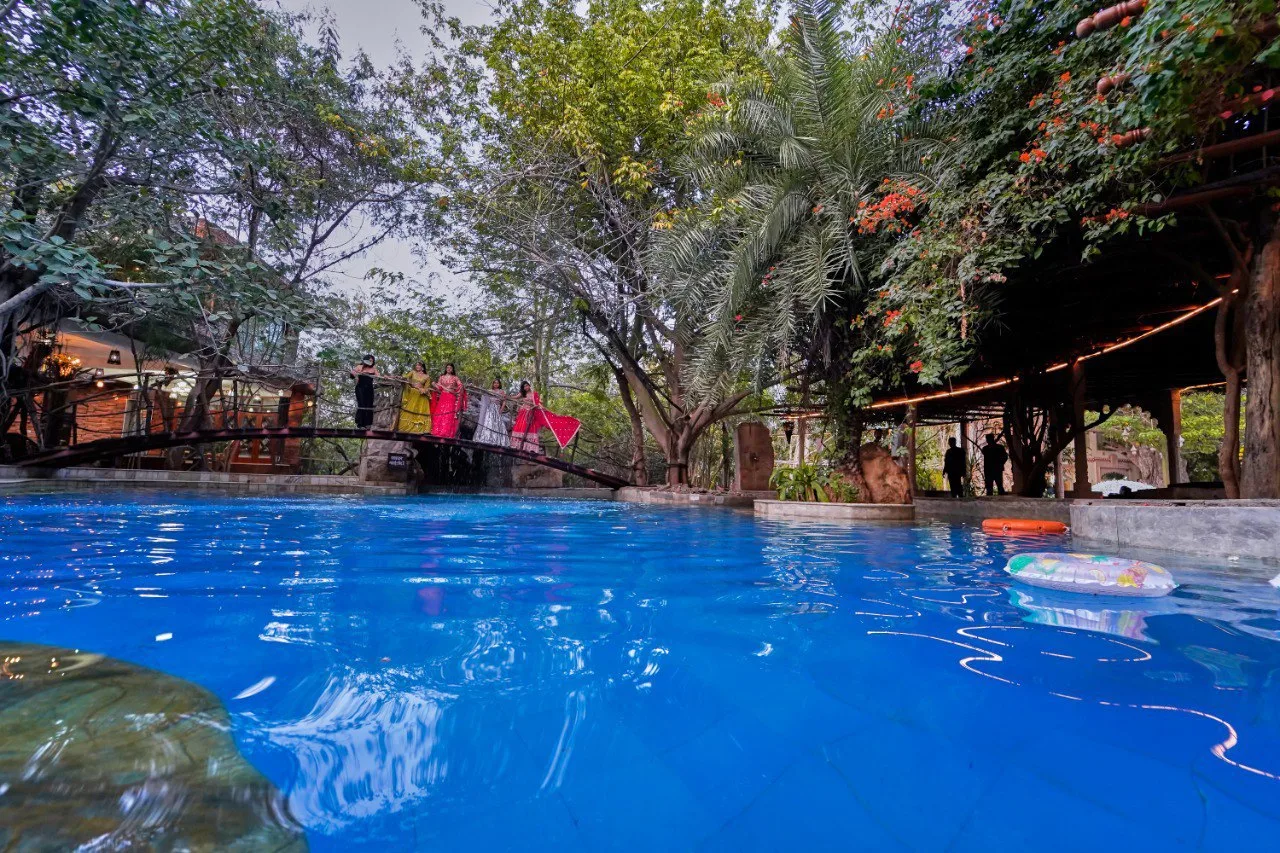
A resort’s size may attract attention, but thoughtful layout determines how comfortably guests experience the property. Accommodation placement, walking distances, privacy zones, activity access and the separation of celebrations from leisure areas all influence the quality of a stay. This guide explains how travellers can evaluate resort planning before booking and why a well-connected property often creates a more relaxing and enjoyable holiday.
Travellers frequently compare resorts using visible features such as room design, swimming pools, restaurants, gardens and activity lists. Although these elements are important, their value depends on how successfully they are connected. A resort may occupy a large area yet feel inconvenient if accommodation is far from essential facilities, pathways are confusing, or noisy spaces are placed beside quiet rooms.
Resort layout influences almost every part of a holiday, from the ease of arrival to the amount of privacy guests experience. It determines whether families can move comfortably, whether children can reach activities safely, whether elderly guests can access dining areas and whether celebrations can take place without disturbing leisure stays. Understanding these relationships helps travellers evaluate a property beyond photographs and amenity lists.
Resort Size and Resort Planning Are Not the Same
Acreage provides space, but planning determines how that space is experienced. Large grounds can accommodate gardens, activities, event areas and different accommodation categories, but these advantages become meaningful only when the property has a clear internal structure.
Travellers searching for the Best Resort in Jaipur should therefore look beyond the total area and examine how the resort uses its available land. Well-planned pathways, clearly defined zones and sensible distances can make a large property feel comfortable and connected. Poor planning can make even a moderately sized resort feel confusing or crowded.
The important question is not simply, “How large is the resort?” It is, “How effectively has the space been organised around the guest experience?”
Arrival Is the First Test of Resort Movement
The quality of a resort’s layout becomes visible before guests reach their rooms. The entrance, security process, parking arrangement, reception area and luggage movement should work together without creating unnecessary delays.
Families arriving in multiple vehicles may need a convenient gathering point. Wedding groups may require separate systems for guest welcome, room allocation and baggage delivery. Elderly travellers benefit when the distance between arrival and accommodation is manageable or internal transport is available.
A thoughtfully planned arrival allows guests to understand the property naturally. Signage, pathways and staff guidance should make movement feel simple, even when the campus is extensive. When arrival becomes confusing, the holiday begins with logistics rather than relaxation.
Accommodation Placement Determines Privacy
Room design affects comfort inside the accommodation, while room location affects the experience outside it. Accommodation near reception or dining may offer convenience, whereas cottages and villas in quieter sections may provide greater privacy. Neither placement is universally better; suitability depends on the guest.
Someone comparing a Luxury Resort in Jaipur should ask whether different accommodation categories occupy distinct zones and whether nearby activities or event spaces may affect noise. Families may prefer rooms close to recreation, while couples may value secluded surroundings. Guests with limited mobility may prioritise shorter walking distances over privacy.
The ideal room category is therefore a combination of interior features and physical location. Travellers should confirm both before booking.
Shared Spaces Should Work for Different Generations
Families rarely experience a resort in the same way throughout the day. Children may want games and outdoor activities, parents may prefer relaxation, and grandparents may enjoy peaceful seating areas and gentle walks. A successful layout allows these preferences to coexist without separating the family completely.
Activity areas should be accessible without dominating every part of the resort. Comfortable seating near children’s recreation can allow parents to remain connected while enjoying their own time. Quiet gardens and shaded spaces can give elderly guests places to relax while staying close to the rest of the group.
Good resort planning does not force every generation into one experience. It allows people to enjoy the property differently and come together naturally for meals, activities and shared moments.
Activities Need Connections, Not Just Space
Activity lists are useful only when guests can reach and participate in those experiences comfortably. A resort may advertise outdoor games, cycling, swimming, nature experiences and children’s recreation, but their placement influences how frequently guests use them.
When activities are connected through clear pathways and supported by nearby seating, refreshments or supervision, participation feels natural. When they are difficult to locate or isolated from accommodation, guests may never use facilities that initially influenced their booking decision.
Travellers should ask for an activity map, schedule or explanation of how different experiences are organised. This helps distinguish between facilities that merely exist and experiences that genuinely become part of the holiday.
Celebrations and Leisure Stays Must Coexist
Many resorts host weddings, corporate events and private celebrations alongside regular leisure stays. These experiences can coexist successfully when the property provides sufficient separation between event venues and accommodation areas.
Event access, sound direction, guest parking, service movement and late-evening activity should be considered during resort planning. A large celebration should not prevent leisure guests from reaching restaurants, pools or their rooms comfortably. Similarly, wedding guests should be able to move between accommodation and functions without crossing unrelated private spaces.
Before booking, travellers can ask whether events are scheduled during their stay and which parts of the property will be used. Transparent answers help guests select the most suitable room location and understand the likely atmosphere.
How to Evaluate Resort Layout Before Booking
Travellers do not need architectural knowledge to assess a resort’s planning. A property map, recent videos, guest photographs and a few direct questions can provide useful information.
✅ Ask how far the selected room is from dining and reception.
✅ Check whether internal transportation is available.
✅ Confirm whether stairs or steep pathways affect accessibility.
✅ Ask where activities and swimming areas are located.
✅ Check whether private events are scheduled nearby.
✅ Request close room allocation when travelling as a group.
✅ Confirm which accommodation zones offer greater privacy.
These checks are particularly valuable for large families, elderly travellers and guests planning longer stays. They turn a general room reservation into a more informed accommodation decision.
How Lohagarh Fort Resort Uses Its Campus
Lohagarh Fort Resort is spread across 56.25 acres and includes more than 100 rooms, suites, cottages, villas, themed stays and luxury tents. Its scale allows accommodation, recreation, natural surroundings and celebration spaces to exist within one destination.
For travellers evaluating a Luxury Heritage Resort in Jaipur, this combination is relevant because the experience extends beyond the room. Families can explore indoor and outdoor activities, couples can select private accommodation formats, and wedding guests can stay within the same campus as the celebrations.
However, different guests will value different parts of the property. Visitors should still confirm room location, walking requirements, activity availability and event schedules according to their needs. The purpose of a large campus is not simply to appear impressive; it should give guests more ways to experience their holiday comfortably.
Final Thoughts
Resort layout is one of the least visible but most influential parts of a holiday. It affects arrival, privacy, accessibility, activity participation, family comfort and the ability of different guest groups to share the property peacefully.
Travellers should therefore compare more than room photographs and amenity lists. They should examine how the entire resort functions as one connected environment. When accommodation, dining, recreation, landscapes and event spaces are thoughtfully organised, movement becomes easier and guests can spend less time managing logistics and more time enjoying the experience.
Frequently Asked Questions
Q.1. Why is resort layout important when planning a holiday?
Resort layout determines how easily guests can reach accommodation, dining, activities and shared facilities. It also influences privacy, noise, walking distances and accessibility. A thoughtfully organised property allows guests to navigate naturally and enjoy its facilities without repeatedly arranging transportation or asking for directions.
Q.2. Is a larger resort always better than a smaller resort?
Not necessarily. A large resort may provide more activities, privacy and open space, but these advantages depend on effective planning. A smaller property may offer greater convenience and shorter distances. Travellers should evaluate how well the available space supports their group rather than comparing acreage alone.
Q.3. How can families evaluate resort accessibility before booking?
Families should ask about stairs, pathway conditions, room location, internal transport and distances between accommodation and dining. Guests travelling with children or elderly relatives should also confirm whether rooms can be allocated close together and whether essential facilities can be reached comfortably.
Q.4. Can weddings and leisure guests stay at the same resort comfortably?
Yes, provided the resort has appropriate separation between celebration venues, accommodation and leisure facilities. Event access, sound management, parking and service routes should be organised carefully. Travellers can ask about scheduled events and request accommodation in a quieter area when necessary.
Q.5. What should guests confirm when booking Lohagarh Fort Resort?
Guests should confirm their exact accommodation category, room location, walking requirements, meal plan, activity availability and any scheduled events. Lohagarh Fort Resort has an expansive campus with varied accommodation and experiences, so selecting the right zone and room format can make the stay more suitable for each group.