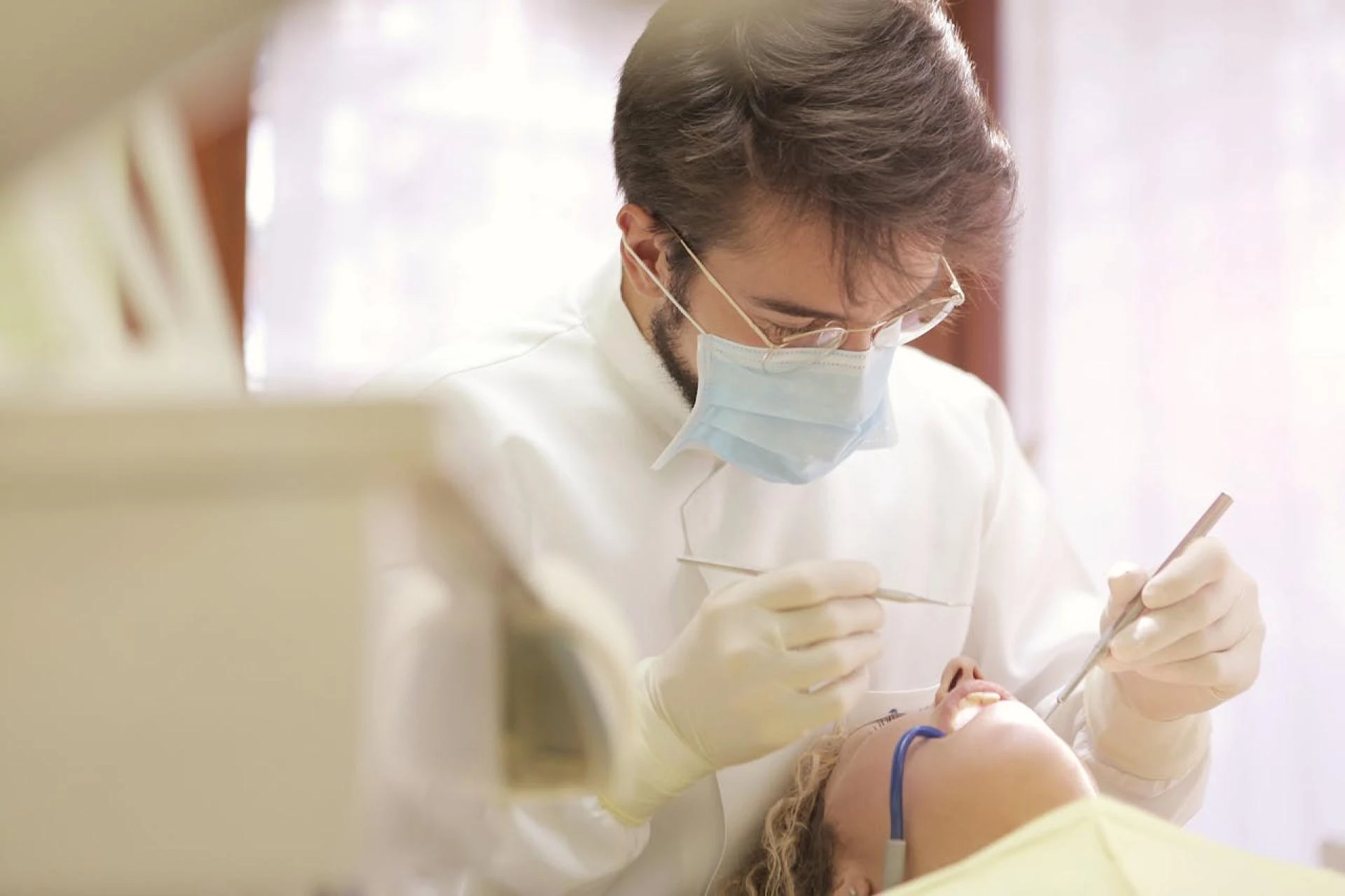
Maintaining good oral health is crucial for overall well-being. One of the best ways to ensure your teeth and gums stay healthy is through regular dental cleanings in Beaverton, OR. Dental cleanings are a key part of preventive care and are an important step in avoiding tooth decay, gum disease, and other dental issues. In this article, we will explore the importance of dental cleanings and the role of preventive dentistry in maintaining long-term oral health.
What Are Dental Cleanings?
Dental cleanings are professional cleaning procedures performed by dental hygienists to remove plaque, tartar, and stains from your teeth. Plaque is a sticky film of bacteria that forms on your teeth and gums, while tartar is hardened plaque that can only be removed with professional cleaning. Over time, if plaque and tartar are not cleaned away, they can lead to serious oral health problems. A routine cleaning typically involves:
- Removal of Plaque and Tartar: The dental hygienist uses special instruments to carefully remove plaque and tartar from your teeth, especially in hard-to-reach areas like between your teeth and along the gumline.
- Polishing of Teeth: After plaque and tartar are removed, your teeth are polished to remove stains and leave your teeth feeling smooth.
- Fluoride Treatment: Often, a fluoride treatment is applied to your teeth to help protect them from cavities and strengthen your enamel.
Regular dental cleanings in Beaverton, OR are vital for keeping your smile bright and your gums healthy.
Why Are Dental Cleanings Important?
Dental cleanings in Beaverton, OR play a crucial role in preventive dentistry in Beaverton, OR. They help to:
1. Prevent Cavities
One of the primary reasons for regular cleanings is to prevent cavities. Plaque buildup on your teeth can lead to the formation of acids that erode tooth enamel and create cavities. By getting professional cleanings, you remove plaque before it can lead to decay.
2. Stop Gum Disease
When plaque is left on the teeth for too long, it can lead to gum disease, which is a major cause of tooth loss. In its early stages, gum disease (gingivitis) can cause redness, swelling, and bleeding gums. If left untreated, it can progress to periodontitis, which can lead to bone loss and tooth loss. Regular cleanings can prevent this from happening.
3. Freshen Your Breath
Bad breath, also known as halitosis, is often caused by plaque and bacteria buildup in the mouth. Regular dental cleanings in Beaverton, OR help to remove the bacteria that cause bad breath, leaving your mouth feeling fresh and clean.
4. Improve Overall Health
Poor oral health is linked to other health problems, including heart disease, diabetes, and stroke. Keeping your teeth and gums healthy through routine cleanings can help reduce the risk of these serious health issues.
The Role of Preventive Dentistry in Beaverton, OR
Preventive dentistry involves measures taken to avoid dental problems before they occur. It focuses on maintaining your oral health with regular visits to the dentist, cleanings, and at-home care like brushing and flossing. Preventive dentistry is essential for reducing the need for costly treatments in the future, such as fillings, root canals, and crowns. Some key aspects of preventive dentistry include:
1. Regular Dental Exams
In addition to dental cleanings, regular exams are an important part of preventive dentistry. During these exams, the dentist checks for signs of tooth decay, gum disease, and other oral health issues. Catching problems early makes treatment easier and more effective.
2. Fluoride Treatments
Fluoride helps to strengthen tooth enamel and prevent cavities. Many dental offices offer fluoride treatments as part of preventive care. This is especially important for children, but adults can also benefit from fluoride treatments.
3. Sealants
Dental sealants are thin coatings applied to the chewing surfaces of the back teeth to prevent cavities. These are especially beneficial for children and teens who are still developing their brushing habits.
4. Education and Home Care
A key part of preventive dentistry is educating patients about proper oral hygiene practices, including how to brush and floss correctly. The dentist or hygienist may also recommend specific tools, such as electric toothbrushes or water flossers, to help improve your at-home care.
How to Maintain Oral Health Between Cleanings?
While professional cleanings are essential, good at-home oral care is just as important. Here are some tips for keeping your teeth and gums healthy between dental visits:
1. Brush Your Teeth Twice a Day
Use fluoride toothpaste and a soft-bristled toothbrush to brush your teeth at least twice a day. Make sure to brush for two minutes and reach all surfaces of your teeth.
2. Floss Daily
Flossing helps remove plaque and food particles between your teeth and along the gumline, where your toothbrush can’t reach. Make flossing a part of your daily routine.
3. Avoid Sugary Foods and Drinks
Sugar feeds the bacteria in your mouth, leading to plaque buildup and cavities. Try to limit sugary snacks and drinks, especially between meals.
4. Drink Water
Drinking water throughout the day helps wash away food particles and bacteria, keeping your mouth clean and your breath fresh.
5. Use Mouthwash
Mouthwash can help kill bacteria and freshen your breath. Look for an antimicrobial mouthwash that fights plaque buildup.
Conclusion
Maintaining good oral health is essential for overall well-being. Dental cleanings in Beaverton, OR play a vital role in keeping your teeth and gums healthy, while also preventing future dental issues. By staying on top of your cleanings and following a good oral hygiene routine at home, you can enjoy a bright, healthy smile for years to come.
Don’t forget that preventive dentistry in Beaverton, OR, is the key to avoiding costly dental procedures in the future. Regular visits to your dentist, along with good home care, are the best ways to protect your oral health. Schedule your dental cleaning in Beaverton, OR, today to keep your smile healthy! Visit us for preventive dentistry and expert care.