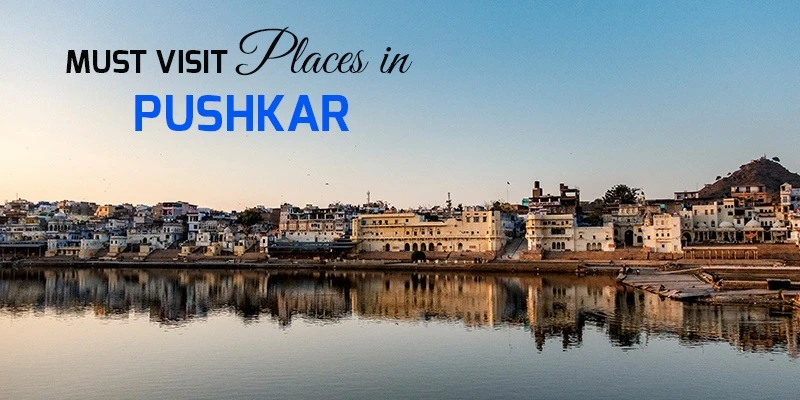
Pushkar is a city that doesn't just sit on the map of India; it breathes with a rhythm that is both ancient and vibrantly modern. As we navigate through 2026, this sacred town has cemented its reputation as a must-visit destination for those seeking a blend of spiritual grounding and bohemian energy. When planning a trip through the desert state, many travelers rely on experienced tour operators in rajasthan to navigate the winding streets and cultural nuances of this lakeside haven. Pushkar remains unique because it offers a sensory experience that larger cities like Jaipur or Jodhpur cannot replicate. It is a place where the scent of incense mingles with the aroma of fresh malpua, and the sound of temple bells provides a constant soundtrack to daily life.
The Spiritual Epicenter and the Brahma Temple
The primary reason for Pushkar’s enduring fame is its religious significance. It houses one of the very few temples in the world dedicated to Lord Brahma, the creator in the Hindu trinity. In 2026, the temple continues to draw thousands of pilgrims who believe that a dip in the holy Pushkar Lake during Kartik Purnima cleanses the soul of lifetimes of sins. The lake itself is surrounded by 52 ghats, each with its own history and architectural charm. Watching the evening aarti where hundreds of lamps are floated onto the water is a transformative experience. For travelers looking to witness these ancient traditions without breaking the bank, opting for Rajasthan Budget Tour Packages allows for an authentic immersion into the local customs while staying in comfortable, traditional guesthouses that overlook the water.
A Confluence of Heritage and Architecture
The architectural landscape of Pushkar is a testament to the diverse dynasties that have contributed to its growth over centuries. From the Maratha-style ghats to the intricate carvings of the Varaha Temple, the town is a living museum. Unlike the massive forts of the northern regions, Pushkar’s heritage is more intimate, found in the narrow alleys and the havelis that have been converted into boutique stays. Engaging in a Rajasthan Heritage Tour provides the historical context needed to appreciate the fusion of Rajput and Mughal influences seen in the local buildings. In 2026, many of these structures have been meticulously restored, offering a glimpse into a royal past while providing modern amenities to global nomads.
The World-Famous Pushkar Camel Fair
While the spirituality of the town is a year-round draw, the Pushkar Camel Fair (Pushkar Mela) remains its most iconic event. What started as a simple livestock trade has evolved into a massive cultural phenomenon. In 2026, the fair has integrated more sustainable practices and digital enhancements, yet it retains its raw, rustic charm. You can see thousands of camels, horses, and cattle decorated in vibrant colors, alongside folk dancers, musicians, and craftsmen showcasing Rajasthan’s artistic legacy. The fairgrounds become a sea of turbans and traditional attire, creating a photographer's paradise. It is this specific event that elevates Pushkar from a quiet pilgrimage site to a global bucket-list destination.
A Modern Hub for Global Backpackers
Pushkar has successfully bridged the gap between tradition and modernity. In 2026, it stands as a premier hub for digital nomads and backpackers. The "Pushkar vibe" is a real thing—a relaxed, slow-paced lifestyle that encourages creative thinking and community building. The local markets are famous for silver jewelry, embroidered textiles, and leather goods, making it a shopper's delight. The cafe culture here is equally impressive, with rooftop eateries serving international cuisines that cater to a global palate while maintaining strict vegetarian standards in accordance with the town’s holy status. This balance of the old world and the new is why young travelers consistently rank it as the best place in the state.
Nature and Adventure in the Aravallis
Beyond the temples and markets, Pushkar is nestled against the backdrop of the Aravalli Hills, offering plenty of opportunities for outdoor enthusiasts. Hiking up to the Savitri Temple at sunrise provides a panoramic view of the entire desert landscape and the town’s white-washed buildings. Hot air ballooning has also become a popular way to see the desert expanse from above, especially during the fair season. The contrast between the lush hills during the monsoon and the golden sands during winter makes Pushkar a versatile destination regardless of when you visit. The accessibility of the nearby desert for overnight camping and camel safaris adds a layer of adventure that completes the Rajasthani experience.
Why 2026 is the Year to Visit
In 2026, infrastructure improvements have made reaching Pushkar easier than ever, yet the town has managed to preserve its "lost in time" atmosphere. The local community has taken significant strides in eco-tourism, ensuring that the lake and surrounding forests remain protected for future generations. Whether you are a solo traveler looking for introspection, a couple seeking a romantic desert backdrop, or a family exploring India’s deep-rooted history, Pushkar offers a safe, welcoming, and deeply enriching environment. Its fame is not just built on stone and water, but on the intangible feeling of peace that settles over every visitor who walks its sacred shores.