Introduction
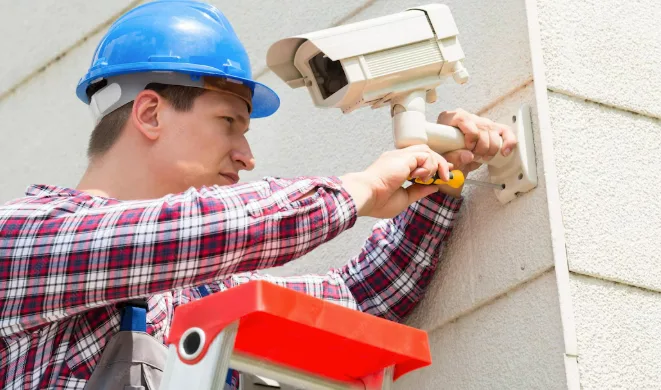
Security cameras can lower risk, support investigations, and help people feel safer in places they use each day. Strong results, however, depend on more than buying equipment and mounting it quickly. Placement, lighting, wiring, retention settings, and lawful use all affect performance. Professional CCTV installation matters because weak planning creates blind areas, false confidence, and footage that fails under pressure. Trained installers build systems that capture clear evidence, support quick action, and protect property with fewer weaknesses.
1. Crime Risk
Property crime remains a real concern across the United States. Many property owners now rely on professional cctv installation in Adelaide services and similar security solutions to improve surveillance coverage and reduce security risks. Federal Bureau of Investigation reporting for 2024 showed a property offence occurred about every 5.3 seconds. Burglary still strains households, employees, and site managers, even when yearly rates shift. That pattern shows why camera coverage needs careful setup rather than a quick purchase and a ladder.
2. Deterrence Data
Research also suggests visible surveillance can discourage offending. A 2019 Office of Justice Programs review linked camera programs with a meaningful, modest drop in crime. Effects appeared stronger in residential settings and parking areas. Cameras tend to work best as part of a broader protection plan instead of acting as a lone device on a building.
3. Better Placement
Professional installers study entry routes, exits, bottlenecks, and poor lighting before they mount a single unit. That process reduces blind angles and avoids overlap that drains money without adding coverage. Skilled planning also places cameras high enough to limit tampering while still capturing usable detail. Effective coverage starts with location rather than product cost or box claims.
4. Target Choice
National Institute of Justice research suggests many burglars act on opportunity and react to signs that access will be harder. A camera placed with care adds pressure in that moment. Poor positioning creates the opposite effect. It shows where coverage stops and where an intruder may move without being recorded.
5. Clearer Evidence
Footage matters only when faces, clothing, vehicles, and timing can be read with confidence. Professionals match lens type, recording quality, and field of view to each location. They also account for glare, heavy contrast, and low-light conditions before problems appear. That preparation improves image quality early, which matters far more than trying to fix weak evidence later.
6. Entry Points
Front doors deserve attention, yet side gates, service corridors, rear lots, and stairwells often present equal exposure. Professional planning covers those paths without ignoring regular movement by staff, residents, or visitors. A complete layout reflects how people actually enter and leave a site. Strong protection follows behaviour patterns rather than assumptions made from a floor plan.
7. Power And Storage
Many camera failures begin with unstable power, weak connections, or poor recording retention plans. Installers size storage around scene activity, image quality, and expected retention periods. They also reduce cable strain and protect components from weather exposure. Those choices help systems keep recording during ordinary stress instead of failing during the single incident that matters most.
8. Monitoring And Response
A camera system should support action rather than passive watching after something has already gone wrong. Professionals can connect recording with alerts, lighting, locks, or monitored response procedures. Active monitoring often performs better than passive review, according to the same Office of Justice Programs analysis. Faster awareness gives staff more time to confirm events and contact emergency services.
9. Daily Use
Usability carries as much weight as hardware quality. Staff need simple playback, dependable search, and clean export tools for police or insurance claims. Professional setup reduces confusion during tense situations. Clear access to evidence can save valuable minutes when a team needs facts quickly.
10. Privacy And Compliance
Camera placement can raise concerns about privacy, notice, and workplace expectations. Installers help owners avoid aiming lenses into sensitive areas or collecting more footage than necessary. They also support consistent signage, documentation, and access controls. Legal trouble often begins with careless setup, even when the original goal was straightforward protection.
11. Long-Term Value
Professional installation usually costs more at the start, yet it often reduces waste later. Fewer dead zones, fewer return visits, and fewer unnecessary replacements improve value over time. Clear footage may also reduce dispute costs after theft, property damage, or trespass. Security spending works best when the first installation is planned correctly and built to last.
Conclusion
Professional CCTV installation is important because security depends on execution rather than good intentions alone. Cameras can discourage some offenders, document incidents, and support response, but only when each part of the system works together properly. Careful placement, stable power, appropriate storage, and lawful setup turn equipment into a dependable safeguard. For homes, businesses, and shared properties, expert installation provides better coverage, clearer evidence, and a stronger chance of limiting loss before it grows.