In manufacturing environments, machines are the backbone of productivity. A single unexpected breakdown can disrupt production schedules, delay deliveries, increase operational costs, and strain customer relationships. Yet many manufacturing units still rely on reactive or loosely planned maintenance approaches, fixing equipment only after failures occur.
This is where Preventive Maintenance Software is changing the game. Instead of waiting for assets to fail, manufacturers are adopting structured, data-driven maintenance practices that help them stay ahead of problems, reduce downtime, and maintain consistent output.
The Manufacturing Challenge: Downtime Is Expensive
Manufacturing operations run on tight timelines and narrow margins. When critical equipment such as CNC machines, conveyors, compressors, or assembly line robots fail unexpectedly, the impact goes far beyond repair costs.
Unplanned downtime often leads to:
- Production losses and missed targets
- Overtime labor to recover schedules
- Emergency spare part purchases
- Quality issues due to rushed restarts
- Delayed shipments and unhappy customers
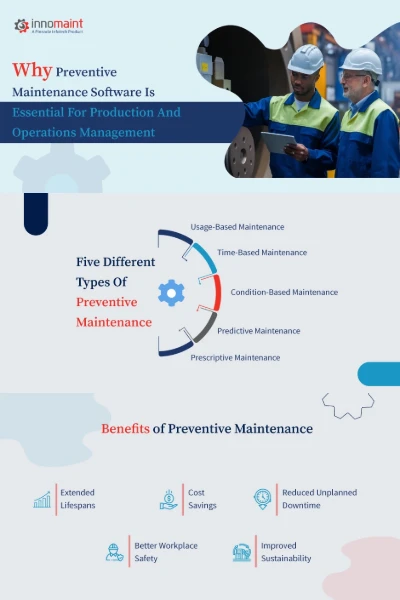
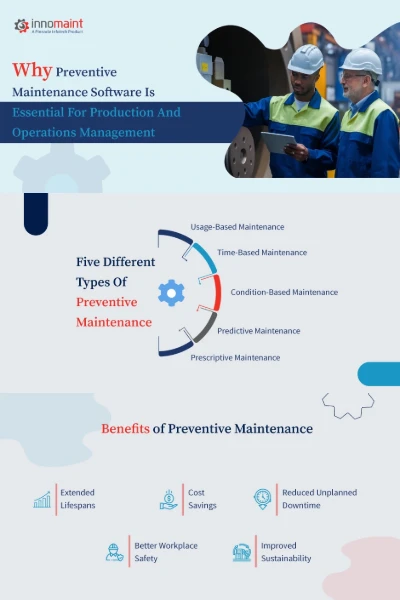
Preventive maintenance software helps manufacturers address these risks proactively by ensuring machines receive the right maintenance at the right time.
What Preventive Maintenance Software Brings to Manufacturing
Preventive maintenance software allows manufacturers to move away from manual logs, spreadsheets, and memory-based planning. It provides a structured system to schedule, track, and execute maintenance activities efficiently.
Key capabilities include:
- Automated maintenance scheduling based on time or usage
- Centralized tracking of all assets and equipment
- Digital work orders for technicians
- Maintenance history for better decision-making
- Spare parts and inventory visibility
With everything managed in one platform, maintenance teams gain clarity and control over daily operations.
Improved Equipment Reliability and Asset Life
Manufacturing equipment is a major capital investment. When machines are not maintained consistently, wear and tear accelerates, leading to premature failures and frequent replacements.
Preventive maintenance ensures:
- Lubrication, inspections, and part replacements happen before damage occurs
- Equipment operates within safe performance limits
- Small issues are addressed before they become major failures
Over time, this approach significantly extends asset lifespan and improves return on investment for manufacturing equipment.
Higher Productivity with Fewer Interruptions
One of the biggest advantages of preventive maintenance in manufacturing is predictability. Planned maintenance activities can be scheduled during non-production hours or low-demand periods, minimizing disruptions.
This results in:
- Fewer unexpected stoppages
- Stable production schedules
- Better workforce planning
- Improved coordination between maintenance and production teams
When machines run reliably, productivity becomes consistent, and operations teams can focus on output instead of firefighting issues.
Better Spare Parts and Inventory Control
Manufacturing plants often struggle with spare parts management. Either parts are overstocked “just in case,” or critical components are unavailable when failures occur.
Preventive maintenance software improves inventory control by:
- Linking maintenance schedules to spare part usage
- Tracking consumption patterns
- Reducing emergency procurement
- Avoiding unnecessary stock buildup
This helps manufacturers lower carrying costs while ensuring critical parts are available when needed.
Safer and More Compliant Operations
Equipment failures can pose serious safety risks on the shop floor. Preventive maintenance software supports safer manufacturing environments by ensuring inspections, safety checks, and compliance tasks are not missed.
Benefits include:
- Reduced risk of accidents caused by equipment failure
- Better adherence to safety standards and audits
- Clear documentation for regulatory compliance
Safety becomes part of routine operations rather than a reaction to incidents.
A Practical Step Toward Digital Manufacturing
Preventive maintenance software also plays an important role in the broader digital transformation of manufacturing. It creates structured maintenance data that can later support advanced strategies such as condition-based or predictive maintenance.
For manufacturers beginning their Industry 4.0 journey, preventive maintenance software provides a strong, practical foundation without overwhelming complexity.
Conclusion
In today’s manufacturing landscape, reliability is no longer optional. Preventive maintenance software helps manufacturers reduce downtime, extend asset life, improve productivity, and maintain operational control.
By shifting from reactive repairs to planned maintenance, manufacturing organizations can protect their equipment, stabilize production, and build a more resilient operation. For many plants, preventive maintenance software is not just a maintenance tool. it is a strategic enabler for consistent performance and long-term growth.