An elevator breakdown can interrupt daily activities in residential towers, hospitals, hotels, and commercial buildings. While some problems develop suddenly, many are connected to gradual component wear, incorrect replacement parts, or insufficient maintenance. Understanding how elevator components function and why preventive maintenance matters can help building managers and technicians reduce avoidable operational problems.
As buildings across the UAE continue to depend on vertical transportation, proper equipment maintenance and access to compatible spare parts have become important considerations for the property management and maintenance industry.
Understanding the Main Components of an Elevator
An elevator is a coordinated system of mechanical, electrical, and electronic components. Each component performs a specific function, and reliable operation depends on these parts working together.
Some important components include:
- Door rollers and wheels: Support the movement of elevator doors.
- Guide shoes: Help guide the elevator car along its rails.
- Bearings: Support mechanical movement and reduce friction.
- Sensors: Provide information to control systems.
- Switches and relays: Support electrical operations and control functions.
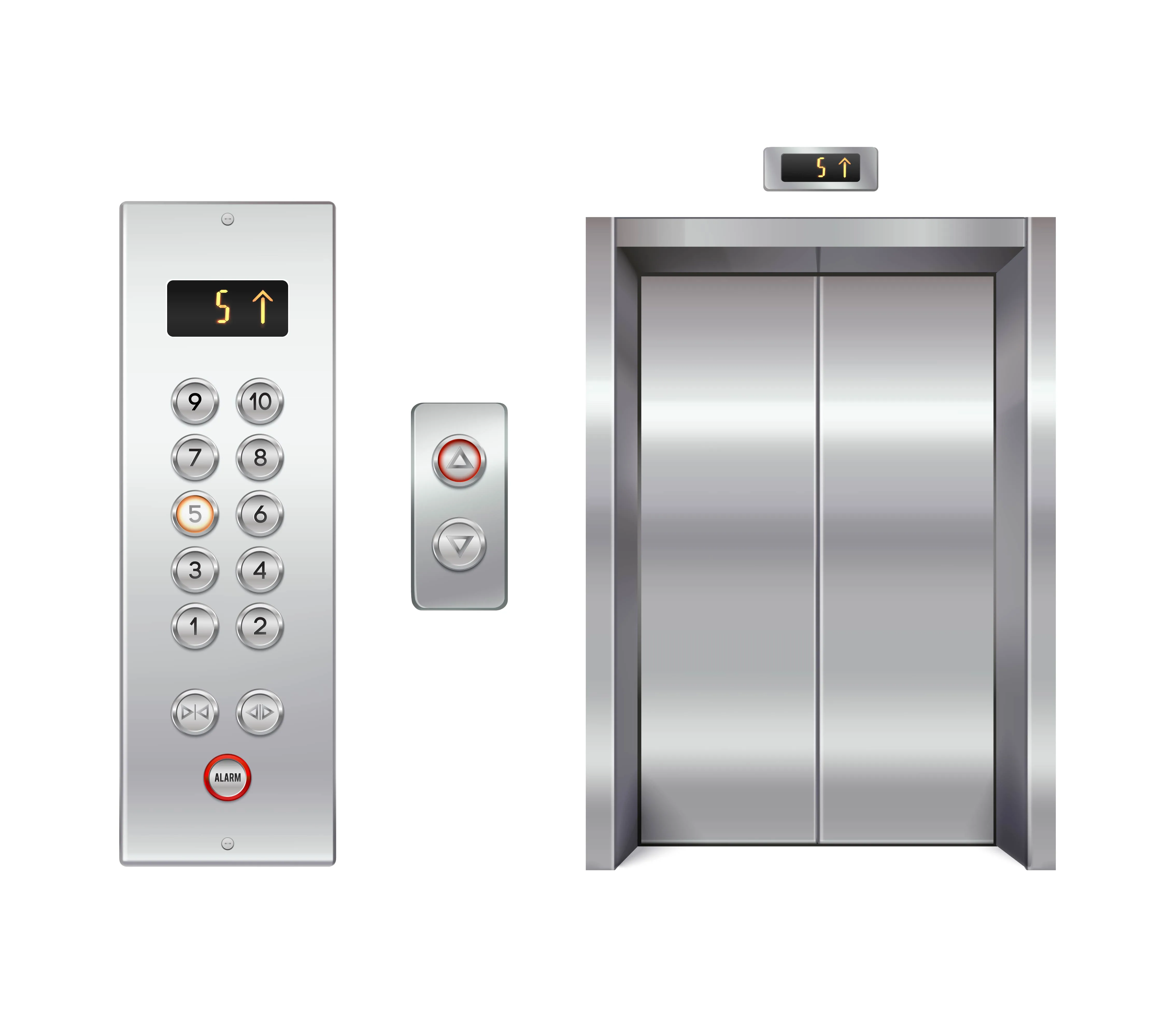
- Push buttons and displays: Allow passengers to interact with the elevator.
- Control boards: Manage different elevator operating functions.
Knowing the purpose of these components makes it easier for maintenance teams to identify faults and plan suitable replacements.
Why Preventive Maintenance Is Important
Preventive maintenance involves inspecting elevator equipment regularly instead of waiting for a breakdown. This approach allows technicians to identify signs of wear, unusual noise, irregular movement, and electrical problems.
For example, worn door rollers may affect door movement, while damaged switches can interfere with specific operating functions. Identifying such problems early helps maintenance professionals determine the appropriate corrective action.
A structured maintenance schedule should include component inspections, operational checks, cleaning where appropriate, and documentation of recurring faults.
Common Elevator Problems and Their Possible Causes
Elevator performance can be affected by different mechanical and electrical issues.
Door movement problems may result from worn rollers, alignment issues, or damaged door mechanisms. Unusual sounds can indicate mechanical wear or loose components. Faulty floor displays and push buttons may involve electrical connections or defective accessories.
However, similar symptoms can have different causes. Technicians should inspect the complete system and identify the underlying problem before replacing any component.
The Role of Compatible Spare Parts
Selecting the correct replacement component is just as important as identifying the fault. Elevator parts differ according to equipment models, manufacturers, dimensions, electrical ratings, and technical specifications.
Using an unsuitable component can result in repeated maintenance work or operational difficulties.
Before ordering replacement parts, maintenance professionals should check product references, model numbers, measurements, voltage requirements, and manufacturer documentation. For specialised electrical and safety-related components, qualified technical verification is essential.
How Building Managers Can Improve Maintenance Planning
Building managers can support better elevator maintenance by maintaining equipment records and coordinating regular inspections with qualified service professionals.
Useful maintenance practices include:
- Keeping records of previous repairs and component replacements.
- Monitoring recurring operational problems.
- Scheduling inspections according to equipment requirements.
- Maintaining accurate spare parts references.
- Planning replacement work before worn components cause major interruptions.
- Ensuring that qualified technicians handle repairs and safety checks.
Good documentation also helps maintenance teams communicate their requirements more clearly when sourcing replacement components.
Choosing an Elevator Spare Parts Supplier in UAE
Finding suitable spare parts requires more than comparing prices. Buyers should evaluate suppliers based on product range, technical specifications, component compatibility, availability, and communication.
A supplier that understands different mechanical and electrical component requirements can make the sourcing process more organised for contractors and maintenance companies.
For businesses looking for Escalator and Elevator Spare Parts, Karsar Spares provides a product resource covering different spare parts categories.
When evaluating any supplier, buyers should confirm the exact product specifications and suitability for their equipment before placing an order.
Elevator and Escalator Maintenance: Looking at the Bigger Picture
Elevators and escalators serve different purposes, but both require regular inspections and appropriate replacement components.
Elevator maintenance commonly involves door systems, guide components, control boards, and electrical accessories. Escalator maintenance may involve steps, rollers, chains, handrail components, sensors, and related mechanisms.
Understanding these differences helps facility managers organise maintenance requirements and source parts according to the specific equipment being serviced.
Get in Touch for Elevator and Escalator Spare Parts
Looking for quality spare parts for your elevator or escalator maintenance requirements? Explore a range of components for repair, servicing, and replacement needs.
Visit Karsar Spares to explore available products and discuss your requirements.
📞 Phone: +971 55 946 0194
📧 Email: [email protected]
Contact us today for your spare parts enquiries!
Conclusion
Reliable elevator operation depends on more than the condition of individual components. Preventive maintenance, accurate fault identification, compatible replacement parts, and proper technical procedures all contribute to effective equipment management.
For building owners, contractors, and maintenance professionals, understanding these factors makes it easier to plan repairs and evaluate spare parts suppliers. A well-organised maintenance approach helps support dependable vertical transportation in modern buildings.