Most homeowners don't think about their heating and cooling system until it stops working. Unfortunately, waiting for a breakdown often means higher repair costs, unexpected discomfort, and the possibility of replacing components that could have lasted much longer with routine care.
Preventative HVAC maintenance is a proactive approach that helps keep heating and cooling equipment operating efficiently throughout the year. Rather than reacting to problems after they occur, homeowners schedule regular inspections and tune-ups to identify minor issues before they become expensive repairs.
How HVAC Systems Lose Efficiency
An HVAC system contains many moving parts that experience normal wear over time. Dust accumulates on coils, air filters become clogged, electrical connections loosen, and airflow can become restricted. While these issues may seem minor individually, together they force the system to work harder to maintain the desired indoor temperature.
As efficiency declines, homeowners often notice:
- Higher monthly energy bills
- Longer heating or cooling cycles
- Uneven temperatures between rooms
- Reduced airflow
- Increased equipment noise
Regular maintenance helps address these issues before they affect overall system performance.
The Long-Term Financial Benefits
Many homeowners focus on the immediate cost of an HVAC tune-up without considering the long-term savings.
Routine maintenance can help:
- Reduce energy consumption
- Lower monthly utility bills
- Minimize emergency repair costs
- Extend equipment lifespan
- Improve overall system reliability
Because heating and cooling account for a significant portion of household energy use, even small improvements in efficiency can produce noticeable savings over time.
Better Indoor Air Quality
Your HVAC system continuously circulates air throughout your home. Dirty filters, dust buildup, and neglected components may contribute to reduced indoor air quality by allowing airborne particles to circulate.
Replacing air filters regularly and scheduling professional maintenance helps improve airflow while supporting a cleaner indoor environment. This is particularly important for households with pets, allergy sufferers, or individuals sensitive to airborne pollutants.
Preparing for Seasonal Weather
Heating and cooling systems experience their greatest workload during periods of extreme weather. Scheduling maintenance before summer and winter allows technicians to identify potential problems before the system is placed under maximum demand.
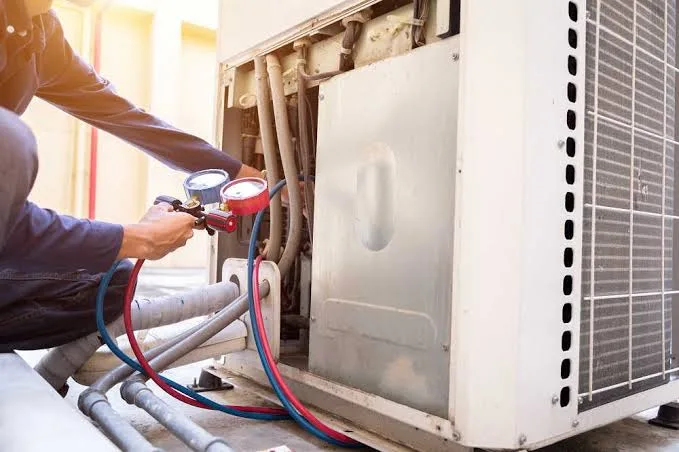
A typical maintenance visit may include:
- Inspecting electrical components
- Cleaning indoor and outdoor coils
- Checking refrigerant levels
- Testing thermostat accuracy
- Inspecting blower components
- Verifying airflow
- Examining safety controls
These inspections help improve reliability while reducing the likelihood of unexpected breakdowns.
Simple Maintenance Homeowners Can Perform
Professional service is essential, but homeowners also play an important role in maintaining HVAC efficiency.
Some simple habits include:
- Replace air filters every one to three months.
- Keep outdoor units clear of leaves and debris.
- Ensure vents remain unobstructed by furniture.
- Monitor unusual noises or changes in performance.
- Schedule professional maintenance annually.
These small steps help reduce unnecessary strain on the system.
A Proactive Approach Pays Off
An HVAC system is one of the largest mechanical investments in most homes. Protecting that investment through regular maintenance is often far less expensive than dealing with emergency repairs or premature replacement.
Homeowners interested in learning more about professional maintenance, repairs, and energy-efficient heating and cooling solutions can find additional information at Best Heating & Cooling
By taking a proactive approach, homeowners can enjoy improved comfort, lower operating costs, and greater confidence that their HVAC system will perform reliably throughout every season.