
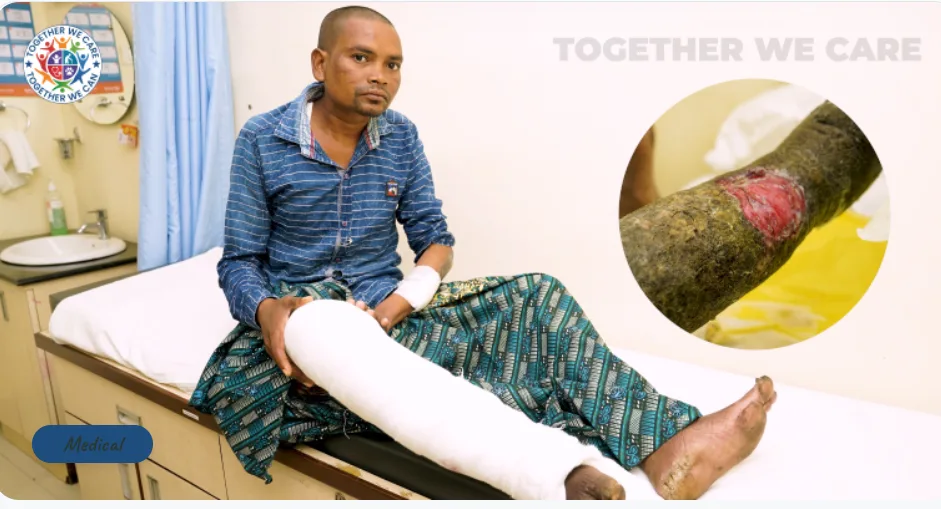
Medical emergencies can destroy a family financially within days. For low-income families, even basic healthcare expenses like medicines, surgeries, diagnostic tests, or hospital stays become impossible to manage. This is why many compassionate individuals today choose to donate for medical help poor communities and struggling patients who cannot afford proper treatment.
Across India and many developing countries, healthcare inflation continues to rise. According to recent health reports, a large percentage of families still rely on out-of-pocket medical expenses. When unexpected illnesses occur, people often sell assets, borrow money at high interest rates, or completely stop treatment due to lack of funds. Donations and community support have therefore become an important lifeline for vulnerable patients.
The Growing Burden of Medical Expenses
Healthcare costs are increasing every year. Treatments for critical illnesses such as cancer, kidney failure, heart disease, or severe infections can cost lakhs of rupees. Even middle-class families sometimes struggle with prolonged hospital bills. For daily wage workers and economically weaker households, these expenses are nearly impossible to handle.
Children from poor families are especially vulnerable because delayed treatment can permanently affect their growth, education, and future opportunities. Elderly patients also suffer when they cannot access regular medicines or specialist care. In many rural regions, people avoid hospitals until their condition becomes critical because they fear medical costs more than the illness itself.
This financial pressure creates a cycle where poverty and poor health continue to reinforce each other.
Why Medical Donations Matter
Financial support for healthcare directly impacts survival and recovery. A timely donation can help a patient receive emergency surgery, continue chemotherapy, buy essential medicines, or access diagnostic tests that detect diseases early.
Medical donations also help in:
- Supporting critical care for accident victims
- Funding maternal healthcare for women in rural areas
- Providing life-saving medicines for chronic illnesses
- Helping children receive vaccinations and nutritional care
- Assisting elderly patients with long-term treatments
- Enabling access to rehabilitation and post-surgery care
Even small contributions collectively create significant impact. When many individuals participate, treatment becomes accessible to families who otherwise have no options.
The Emotional Impact on Families
Medical crises do not only affect physical health. Families often experience emotional trauma, anxiety, and helplessness while trying to arrange treatment costs. Parents may skip meals to buy medicines for their children. Elderly people sometimes refuse treatment because they do not want to become a financial burden on their families.
Community support restores hope during these difficult moments. Knowing that strangers care enough to help can strengthen emotional resilience and encourage patients to continue fighting their illnesses.
How Transparency Has Improved Donations
Technology has transformed charitable healthcare support. Today, online donation platforms, verified hospital campaigns, and digital fundraising systems allow donors to contribute securely and track how funds are used.
People now prefer transparent donation systems where they can:
- Verify patient details
- Understand treatment requirements
- Monitor fundraising progress
- Receive updates about recovery and utilization of funds
This transparency has increased trust and encouraged more people to participate in medical assistance programs.
Beyond Money: Other Ways to Help
Financial contributions are important, but support can also come in other forms. People can volunteer their time, organize awareness campaigns, donate blood, sponsor medicines, or help patients connect with hospitals and specialists.
Awareness itself plays a major role. Many families remain unaware of government healthcare schemes, free treatment programs, or subsidized medical services available to them. Sharing reliable information can sometimes save lives just as effectively as financial aid.
Building a More Compassionate Society
Healthcare should never become a privilege available only to the wealthy. A compassionate society ensures that people receive treatment regardless of their financial background. When individuals collectively support healthcare initiatives, they contribute to stronger communities and better public well-being.
Medical support is not simply charity—it is an investment in humanity. Every recovered child, healthy mother, or healed patient contributes positively to society again. Small acts of generosity can therefore create long-term social change.
Conclusion
The inability to afford healthcare remains one of the biggest challenges faced by economically vulnerable families. Rising medical costs continue to push thousands of people deeper into poverty every year. However, collective compassion can make a meaningful difference.
Whether through financial contributions, volunteering, awareness, or emotional support, helping patients access treatment creates hope where despair once existed. In times of illness, even a small helping hand can become the reason someone gets another chance at life.