Why Pakistan Is a Strategic Sourcing Destination for Custom Sportswear and Streetwear
Finding the right clothing manufacturer is an important decision for any fashion business. Brands need reliable production, suitable materials, consistent quality, competitive costs, and the flexibility to develop products that reflect their identity.
Pakistan has become a sourcing option for international apparel buyers because of its established textile industry, garment manufacturing experience, and access to materials used in different clothing categories. For brands developing custom sportswear and streetwear, the country offers opportunities worth exploring.
However, choosing a manufacturing destination requires more than comparing prices. Buyers should understand the available capabilities, production requirements, shipping arrangements, and quality standards before placing an order.
1. An Established Textile and Apparel Industry
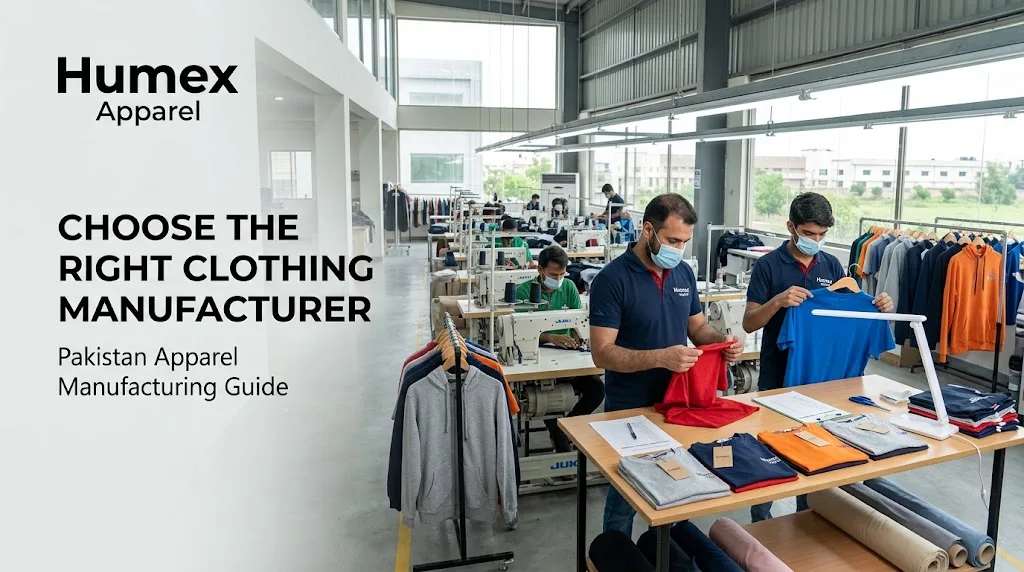
Pakistan has a long-standing textile and garment industry that supports different stages of clothing production. Depending on the supplier and its production network, buyers may be able to source fabrics, arrange garment construction, add custom branding, and prepare finished products for export.
This industry experience can be useful for businesses developing T-shirts, hoodies, tracksuits, sportswear, and other apparel products.
For example, a fashion startup planning a collection of printed T-shirts and matching sweatshirts may need a supplier that understands fabric selection, garment construction, printing, and finishing. Working with an experienced manufacturer can simplify coordination across these stages.
Nevertheless, capabilities differ between factories. Buyers should confirm which processes are performed in-house and which depend on external suppliers.
2. Opportunities for Custom Sportswear Production
Sportswear brands often require more than basic garment manufacturing. Their products may need stretch fabrics, durable seams, comfortable fits, and construction suited to particular activities.
Depending on the manufacturer's specialization, Pakistan-based suppliers may offer products such as gym T-shirts, training shorts, tracksuits, teamwear, and other customized athletic apparel.
Brands should evaluate materials according to the intended use. A lightweight training shirt, for instance, may require different fabric properties from a heavyweight sweatshirt designed for casual wear.
Before selecting a supplier, request details about fabric composition, available weights, sizing, stitching methods, customization options, and sample development.
Brands exploring production options can visit Humex Apparel to review its gym wear manufacturing page and discuss whether its available services match their product requirements.
3. Customization for Streetwear Brands
Streetwear businesses often compete through distinctive designs, recognizable branding, garment fit, and material choices. Manufacturing partners therefore need to understand the details that make each product different.
Common requirements include oversized T-shirts, heavyweight hoodies, relaxed-fit sweatshirts, custom sweatpants, embroidered designs, printed graphics, and private label branding.
A brand developing premium oversized hoodies, for example, may specify heavyweight fabric, dropped shoulders, a particular hood shape, ribbed cuffs, and embroidered artwork. These details need to be communicated clearly before production begins.
Pakistan-based manufacturers that specialize in these products may be suitable partners for streetwear businesses seeking custom development.
You can explore the Humex Apparel streetwear manufacturer page to learn more about streetwear-focused manufacturing options.
4. Cost Considerations for International Buyers
Manufacturing cost is an important part of sourcing, particularly for startups working with limited budgets. Pakistan may offer competitive sourcing opportunities, but actual costs depend on the product, materials, order size, customization, and supplier.
A simple cotton T-shirt and a complex performance garment have different production requirements. Likewise, embroidery, custom labels, special trims, and individual packaging can increase the total cost.
Buyers should request a detailed quotation rather than comparing unit prices alone. The quotation should clarify whether fabric, cutting, stitching, decoration, labels, packaging, sampling, and shipping are included.
International businesses should also calculate freight charges, insurance where applicable, customs duties, taxes, and other import-related expenses.
The goal is to compare the full landed cost of a garment, not simply the factory price. This gives brands a more realistic understanding of their potential profit margins.
5. Private Label and Branding Options
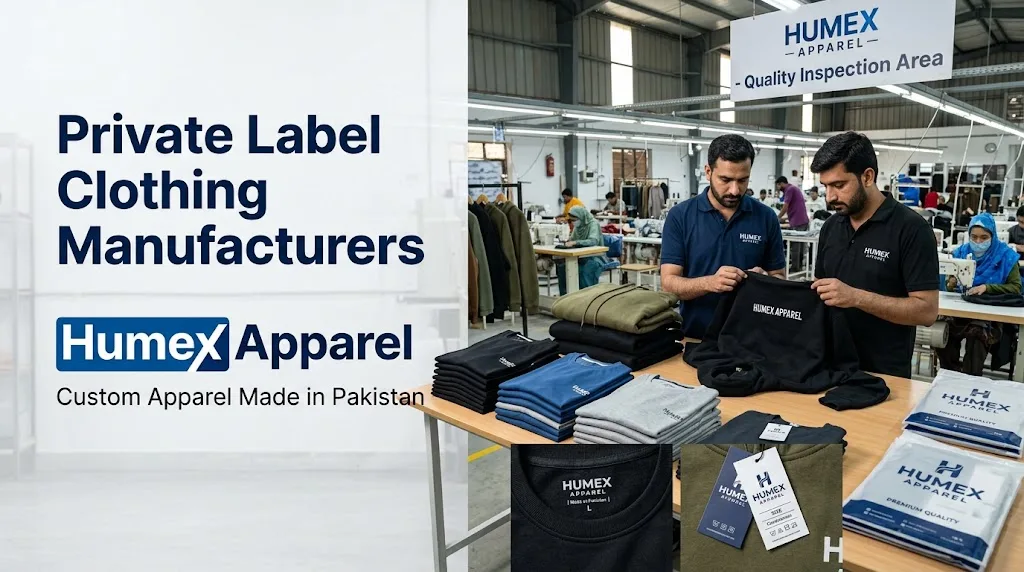
Private label manufacturing allows a business to sell garments under its own brand name. Depending on the manufacturer's capabilities, buyers may be able to customize garment designs, labels, hangtags, packaging, and selected product details.
This approach can help a new fashion business develop a consistent identity without owning a factory.
Before placing an order, confirm which branding services are available, whether there are minimum quantities for each option, and how artwork must be supplied.
Ask for samples of labels, prints, embroidery, or packaging when these elements are important to your brand. Reviewing them before bulk production helps ensure that the final products match your expectations.
6. Sampling and Quality Control Matter
A sourcing decision should never depend entirely on a supplier's website, photographs, or quoted price. Product samples provide a more reliable way to evaluate the manufacturer's work.
Check fabric feel, garment measurements, stitching, seams, color consistency, print placement, and finishing. For sportswear, consider whether the fabric and construction suit the product's intended use.
Once the sample is approved, document the specifications and use them as a reference for bulk production.
Ask the supplier about its quality-control procedures, how defects are handled, and whether inspections can take place before shipment. Agree on acceptable quality standards in writing.
These steps help reduce the risk of receiving garments that differ from the approved sample.
7. Communication and Export Logistics
International sourcing requires clear communication between the buyer and manufacturer. Differences in time zones, product terminology, and expectations can cause delays if details are not documented properly.
Before confirming an order, discuss production timelines, payment terms, sample approvals, shipping methods, packaging, and required export documents.
Clarify who is responsible for freight arrangements and which party handles customs-related responsibilities. Delivery estimates should account for manufacturing time as well as transportation and clearance.
It is also useful to establish one main contact for updates and keep important decisions in writing. This makes it easier to resolve questions during production.
8. How to Choose the Right Pakistani Manufacturer
Not every manufacturer will suit every fashion brand. The best choice depends on your products, order quantities, quality expectations, and business model.
Use the following checklist when evaluating potential suppliers:
- Relevant experience with your clothing category.
- Clear information about minimum order quantities.
- Access to suitable fabrics and customization methods.
- A practical sampling and approval process.
- Defined quality-control procedures.
- Transparent quotations and payment terms.
- Realistic production and shipping timelines.
- Clear communication and documented agreements.
Compare several suppliers against the same criteria. Ask questions early, request samples, and confirm production details before making a financial commitment.
For brands seeking a potential manufacturing partner, Humex Apparel provides a starting point for exploring apparel production services. Contact the company directly to confirm current product capabilities, minimum order quantities, pricing, and delivery arrangements.
Final Thoughts
Pakistan offers international fashion businesses an established textile and apparel industry, potential customization opportunities, and manufacturing options for products ranging from everyday clothing to sportswear and streetwear.
However, a sourcing decision should always be based on the specific supplier rather than assumptions about an entire country. Product samples, transparent quotations, documented specifications, and reliable communication are essential when evaluating any manufacturing partner.
By researching suppliers carefully and calculating the full cost of production and delivery, fashion brands can make better sourcing decisions and build more dependable manufacturing relationships.
Whether you are launching a streetwear label or expanding a sportswear collection, take time to compare manufacturers, verify their capabilities, and approve samples before committing to bulk production.