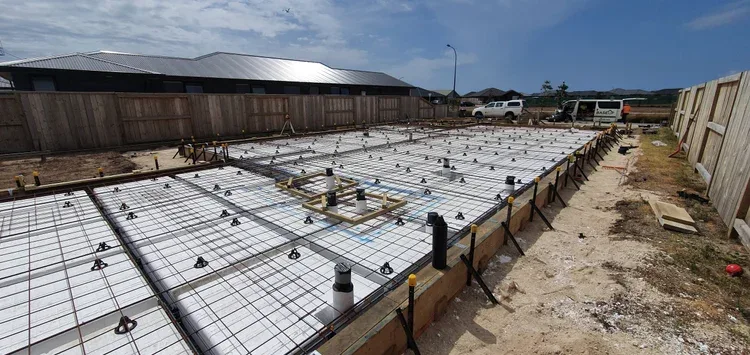
Timber construction has long been a cornerstone of residential building, valued for its strength, flexibility, and sustainability. Among the most widely recognized standards guiding timber-framed construction is Nzs3604, a framework that ensures safety, durability, and structural efficiency. Whether you are a builder, architect, or homeowner, understanding how this standard works can help you achieve better results in your projects.
What is NZS3604?
Nzs3604 is a design standard primarily used for timber-framed buildings. It provides a set of guidelines that simplify the construction process while ensuring structural integrity. This standard is especially popular in residential construction because it allows builders to follow predefined rules instead of complex engineering calculations.
The purpose of this standard is to create consistency across projects. By following these guidelines, builders can ensure that structures are capable of withstanding environmental factors such as wind loads, seismic activity, and general wear over time.
Key Features of the Standard
One of the main advantages of this system is its simplicity. It is designed for buildings that fall within certain limits, such as size, height, and design complexity. This makes it ideal for typical homes and small buildings.
The standard covers several critical aspects, including:
- Timber framing sizes and spacing
- Bracing requirements
- Roof and wall construction
- Foundation design
Each section is clearly defined, making it easier for builders to follow without needing advanced structural engineering knowledge.
Benefits of Using NZS3604
Using Nzs3604 offers multiple benefits that go beyond just compliance. First, it significantly reduces the time spent on design and approval processes. Since the guidelines are already established, projects can move forward more quickly.
Another key benefit is cost efficiency. Builders can avoid expensive engineering consultations for standard designs. This makes construction more affordable without compromising safety.
Additionally, the standard promotes consistency in quality. By following proven methods, builders can ensure that every structure meets a reliable level of performance.
Applications in Residential Construction
This standard is most commonly used in residential buildings such as single-family homes, townhouses, and small-scale developments. Its adaptability allows it to be applied in various environments, from urban areas to rural settings.
For example, when constructing a house, the standard helps determine the correct timber sizes for walls and roofs. It also outlines how to install bracing systems that improve the building’s resistance to external forces.
Because of its clear instructions, even small construction teams can confidently complete projects that meet professional standards.
Limitations to Consider
While this framework is highly useful, it does have limitations. It is not suitable for large or complex structures, such as multi-story commercial buildings. In such cases, specialized engineering design is required.
Another limitation is that it operates within predefined parameters. If a project falls outside those limits, builders must seek alternative design solutions or professional engineering input.
Understanding these boundaries is essential to avoid compliance issues and ensure the safety of the structure.
Tips for Effective Implementation
To get the most out of this standard, it is important to follow best practices. Start by carefully reviewing all relevant sections before beginning construction. Proper planning can prevent costly mistakes later.
Ensure that all materials meet the required specifications. Using substandard timber or incorrect dimensions can compromise the entire structure.
Finally, maintain clear communication among all team members. Everyone involved in the project should understand the guidelines to ensure smooth execution.
The Future of Timber Standards
As construction technology evolves, standards like this continue to adapt. Sustainability and environmental considerations are becoming increasingly important, and timber remains a key material in eco-friendly building practices.
Modern updates to these standards aim to improve efficiency while maintaining safety. This ensures that timber construction remains a viable and attractive option for future developments.
Conclusion
Timber construction remains a reliable and efficient method for residential building, and standards like this play a crucial role in maintaining quality and safety. By understanding and applying its principles, builders can achieve durable, cost-effective, and compliant structures.
Whether you are planning a new home or working on a renovation project, mastering this standard can make a significant difference in the outcome.