A leaking NPT plug rarely announces itself with a dramatic failure. Instead, it tends to weep slowly, losing fluid or pressure gradually until someone finally notices a puddle underneath the truck or a system that isn't holding pressure the way it used to.
What Causes an NPT Plug to Fail Over Time?
Several factors contribute to plug failures, and understanding them helps prevent the problem before it starts. Constant vibration from normal truck operation can gradually loosen a plug that wasn't torqued correctly during installation. Thermal cycling, as hydraulic components heat up and cool down repeatedly, causes slight expansion and contraction that stresses the threaded connection over time.
- Vibration loosens plugs that weren't properly torqued during initial installation.
- Thermal cycling stresses threads through repeated expansion and contraction.
- Corrosion at the threads weakens the seal, especially in older or exposed components.
Each of these causes builds gradually, which is exactly why routine inspection catches problems that a driver would never notice during a quick visual check.
Why Corrosion Is a Bigger Problem Than People RealizeRoad salt, moisture and general exposure take a toll on threaded components over years of service, especially in regions with harsh winter conditions. A plug that's corroded at the threads doesn't seal as reliably, even if it still appears tight. In fact, corrosion is often the hidden culprit behind a slow leak that seems to come from nowhere.
How Do You Diagnose a Failing NPT Plug?
A soap and water solution applied around the plug is a reliable, low cost way to spot a leak visually, since escaping fluid or air creates visible bubbling at the source. This beats guessing based on fluid levels alone, which only tells you something is wrong, not where.
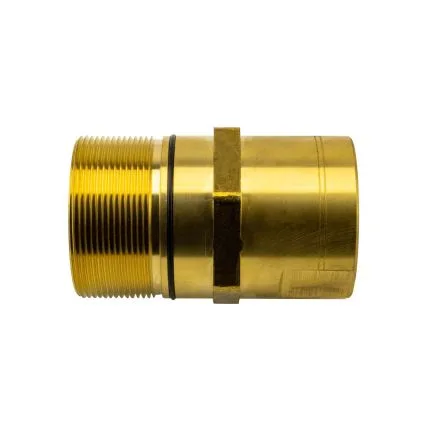
What Should You Do Once You've Found the Leak?Once a failing plug is identified, replacement is almost always the right call rather than attempting a temporary fix. A correctly specified replacement, such as the 1/2 npt plug built for one and one half inch pipe thread applications through On the Spot Truck Repair, ensures the new component matches the original thread standard exactly, rather than introducing a mismatch that creates the same problem again down the line.
Attempting to simply retighten a corroded or damaged plug often makes things worse, since forcing a worn thread can strip it entirely, turning a simple swap into a more involved housing repair.
Why Does Plug Failure Matter for Fleet Downtime?
A hydraulic system losing pressure doesn't just create a mess, it can affect performance of whatever equipment relies on that system, whether it's a lift function, a steering assist or another hydraulic driven component. What's interesting is how often a fleet chases a performance complaint for days before someone finally checks the simplest possible cause, a loose or failing plug.
Real World Example: The Gear Pump That Kept Losing PressureConsider a technician investigating a gear pump that seemed to be losing pressure intermittently. After ruling out the pump itself and checking major seals, the actual source turned out to be a single plug on an unused port that had corroded slightly and was allowing a slow air leak into the system. Replacing that one small component resolved an issue that had been misdiagnosed as a pump problem for over a week.
How Often Should NPT Plugs Be Inspected?
There's no single fixed interval that applies universally, but including a quick visual and tactile check of accessible plugs during routine preventive maintenance is a smart habit. Trucks operating in harsh climates or heavy vibration environments, like off road or rough terrain applications, benefit from more frequent checks than those running primarily on smooth highway miles.
Why Replacing Proactively Beats Waiting for FailureReplacing an aging or corroded plug during scheduled maintenance is a minor cost compared to diagnosing a mystery leak later, or worse, dealing with a housing repair after a stripped thread. Building plug inspection into your regular maintenance routine, rather than treating it as an afterthought, is a simple way to avoid an entirely preventable problem.
Conclusion
NPT plug failures follow predictable patterns, vibration, thermal stress and corrosion working together over time to compromise a seal that once held perfectly. Catching these issues early through routine inspection, and replacing worn plugs with correctly specified parts rather than attempting temporary fixes, keeps hydraulic systems reliable and avoids the frustration of chasing a leak that traces back to the smallest component in the system.