
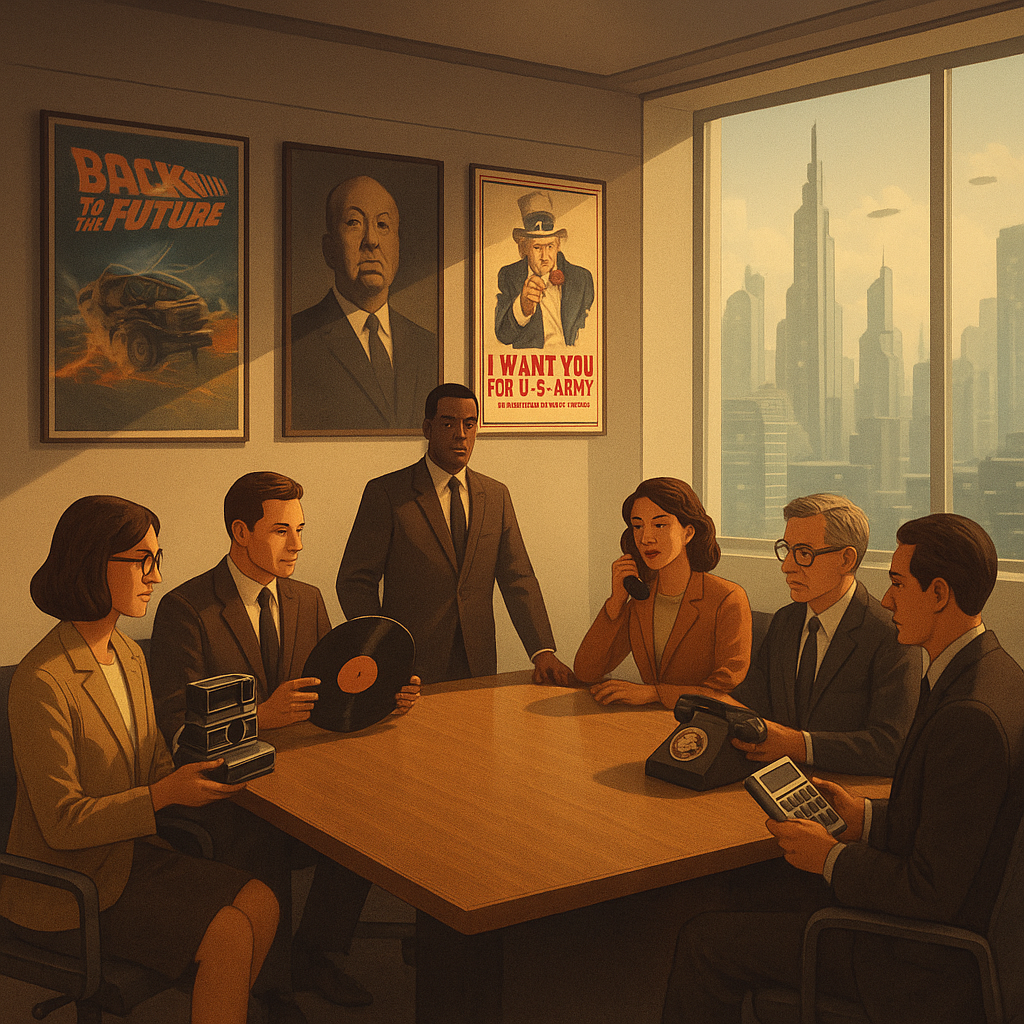
When Yesterday’s Memories Drive Tomorrow’s Profits
In the bustling streets of Tokyo’s Shibuya district, a retro-themed café draws crowds not for its avant-garde menu, but for an immersive 1980s ambiance complete with vintage arcade machines and era-specific music playlists. Meanwhile, across the Atlantic, a luxury fashion label reissues a classic sneaker from the 1990s and watches it sell out within hours. These scenes illustrate a powerful shift: nostalgia has transcended its role as a mere aesthetic device and evolved into a deliberate, data-driven business strategy. In 2026, companies across industries harness the emotional resonance of past eras to deepen consumer engagement, drive loyalty, and unlock new revenue streams.
This transformation is not by happenstance. It is underpinned by shifting demographics, technological advancements, and evolving consumer psychology. Brands no longer simply decorate products or spaces with nostalgic motifs—they engineer entire ecosystems that evoke and monetize memories, creating a compelling value proposition that resonates in a crowded marketplace.
“Nostalgia today isn’t just about longing for the past; it’s a sophisticated tool that helps brands forge emotional connections that translate directly into consumer spending,” says Dr. Miriam Chen, a consumer behavior expert at the University of Chicago.
Tracing the Evolution: From Aesthetic Flair to Strategic Framework
Nostalgia’s commercial use is hardly new. The 20th century witnessed waves of retro revivals—from the 1950s rockabilly craze of the 1980s to the early 2000s’ obsession with 1970s disco. Historically, nostalgia functioned primarily as an aesthetic or thematic choice: an occasional marketing gimmick or a design trend meant to evoke warmth and familiarity.
However, the late 2010s and early 2020s marked a turning point. Several factors catalyzed nostalgia’s rise as a strategy. First, the maturation of millennials and Gen Z—the largest consumer cohorts today—created a fertile demographic base that values experiences tied to their formative years or their parents’ youth. Second, advances in big data and AI enabled brands to pinpoint the exact cultural touchpoints that generate nostalgia-driven engagement. Third, the pandemic years intensified consumer desire for comfort and emotional grounding, amplifying nostalgia’s appeal.
By 2023, industry leaders began shifting from superficial nostalgic cues to comprehensive strategies that integrate product design, marketing, consumer experience, and even corporate culture. This was not merely about aesthetics; it was a holistic approach to brand storytelling and consumer relationship management.
Marketing strategist Elena Vasquez noted in 2024, “Nostalgia matured from a feel-good tactic into a measurable driver of lifetime customer value.”
The Mechanics of Nostalgia as a Business Strategy
At its core, nostalgia-driven business strategy leverages emotional memory to influence purchasing decisions, brand loyalty, and consumer advocacy. Unlike traditional marketing approaches focused on rational benefits, nostalgia taps into affective responses, triggering dopamine releases associated with positive memories.
Recent data from the Consumer Neuroscience Institute indicates that nostalgic stimuli increase purchase intent by up to 35%, compared to non-nostalgic campaigns. This measurable impact has encouraged brands to embed nostalgia into multiple operational layers:
- Product Innovation: Companies reissue vintage products or create limited editions that incorporate familiar design elements with modern functionality. Notable examples include Apple’s 2025 launch of the "iPod Classic Revival," blending retro design with contemporary tech.
- Marketing & Storytelling: Campaigns now employ authentic storytelling that connects brand heritage with consumer memories. Streaming services like RetroStream have curated decade-specific content to target nostalgic audiences.
- Consumer Experience: Retail environments and digital platforms simulate past eras through immersive technology—augmented reality (AR) recreations, retro-themed pop-ups, and gamified shopping experiences.
- Community Building: Brands foster nostalgia-centric communities online, encouraging user-generated content that fuels organic engagement and reinforces identity.
These elements intertwine to create a feedback loop where nostalgia amplifies emotional engagement, which in turn enhances brand equity and financial performance.
2026 Developments: Nostalgia’s Role in a Post-Digital Economy
In 2026, nostalgia’s strategic value has escalated in the context of a post-digital economy marked by AI ubiquity, metaverse expansion, and shifting consumer values. Several trends underscore this evolution:
- AI-Powered Personalization: Advanced AI algorithms analyze individual consumer data to tailor nostalgic content and product recommendations with unprecedented precision. Platforms like NostalgiaX use deep learning to curate personalized retro experiences across media, retail, and social.
- Metaverse Nostalgia: Virtual worlds have become canvases for recreating iconic past decades. Brands build digital replicas of historic venues and host events that evoke collective memories, attracting millions of users worldwide.
- Sustainability and Circular Economy: The vintage movement aligns with eco-conscious consumption. Nostalgia-driven resale markets and upcycling ventures meet both emotional and environmental consumer demands.
- Cross-Generational Marketing: Brands design campaigns that bridge generational divides, appealing simultaneously to older consumers’ authentic memories and younger demographics’ curated retro fascination.
In the automotive sector, for example, companies blend nostalgia with innovation. The resurgence of classic car designs equipped with electric drivetrains has captured consumer imagination, a phenomenon explored in detail in our Cars in 2026: Innovations, Industry Shifts, and Future Roadmaps report.
“Nostalgia serves as a bridge from heritage to future innovation, especially in sectors where legacy and identity are core to consumer choice,” explains automotive analyst Raj Patel.
Case Studies: Brands Mastering Nostalgia as Strategy
Several companies exemplify the strategic integration of nostalgia in 2026.
- Netflix’s "Retro Rewind" Initiative: Netflix capitalized on nostalgia by launching a dedicated channel streaming decade-themed content blocks, coupled with interactive community forums. This initiative increased subscriber retention by 12% in Q1 2026, according to company disclosures.
- LEGO’s Classic Revival Kits: LEGO’s reintroduction of 1980s and 1990s sets with augmented reality features led to a 20% sales surge in its core markets. The strategy enticed both longtime fans and new generations, blending tactile nostalgia with digital innovation.
- Patagonia’s Vintage Line: Patagonia embraced nostalgia by upcycling vintage products and marketing them as sustainable heritage pieces. The move boosted brand loyalty among environmentally conscious consumers and increased resale revenue streams.
These examples underline a common pattern: successful brands employ nostalgia not as a superficial adornment but as an integrated, multi-channel strategy that drives measurable business outcomes.
For insights into how investors are responding to these shifts, see our analysis on How Smart Investors Are Navigating Market Shifts and Emerging Opportunities.
Expert Insights and Industry Impact
Industry leaders and analysts offer perspectives on nostalgia’s strategic ascendancy. According to marketing consultancy firm BrandWave’s 2026 report, nostalgia-driven campaigns outperform conventional ones by an average of 18% in engagement metrics and 22% in conversion rates.
Moreover, consumer psychology research reveals that nostalgia provides a coping mechanism during times of uncertainty, making it a potent tool in recessionary or volatile markets. This functional role enhances its strategic appeal for businesses seeking resilience.
“Nostalgia is not just a sentimental indulgence; it’s a strategic asset that builds brand resilience and emotional capital,” asserts BrandWave CEO Maya Lindstrom.
However, experts caution against overreliance or inauthentic use. Misuse of nostalgia risks alienating consumers or triggering backlash if perceived as manipulative or disconnected from brand identity.
Looking Ahead: What Businesses Must Watch
As nostalgia solidifies its role as a business strategy, companies should monitor several critical developments:
- Technological Integration: Continued advancement in AR, VR, and AI will redefine how nostalgia is experienced and monetized.
- Demographic Shifts: Emerging generations will redefine nostalgia’s temporal boundaries, expanding the eras and cultural moments brands must consider.
- Authenticity and Ethics: Transparent, respectful use of nostalgia will be paramount to maintaining consumer trust.
- Cross-Industry Collaboration: Partnerships between entertainment, retail, and tech sectors will create hybrid nostalgic experiences with amplified reach.
Ultimately, nostalgia’s business potential lies in its ability to connect human emotion with strategic innovation. Brands that master this balance will not only capture market share but also cultivate enduring consumer relationships.
For a broader perspective on transformative business strategies, consult our piece on 5 Essential Shifts Transforming Digital Marketing Strategies Today.