
Setting the Stage: A Snapshot of Today's Mortgage Landscape
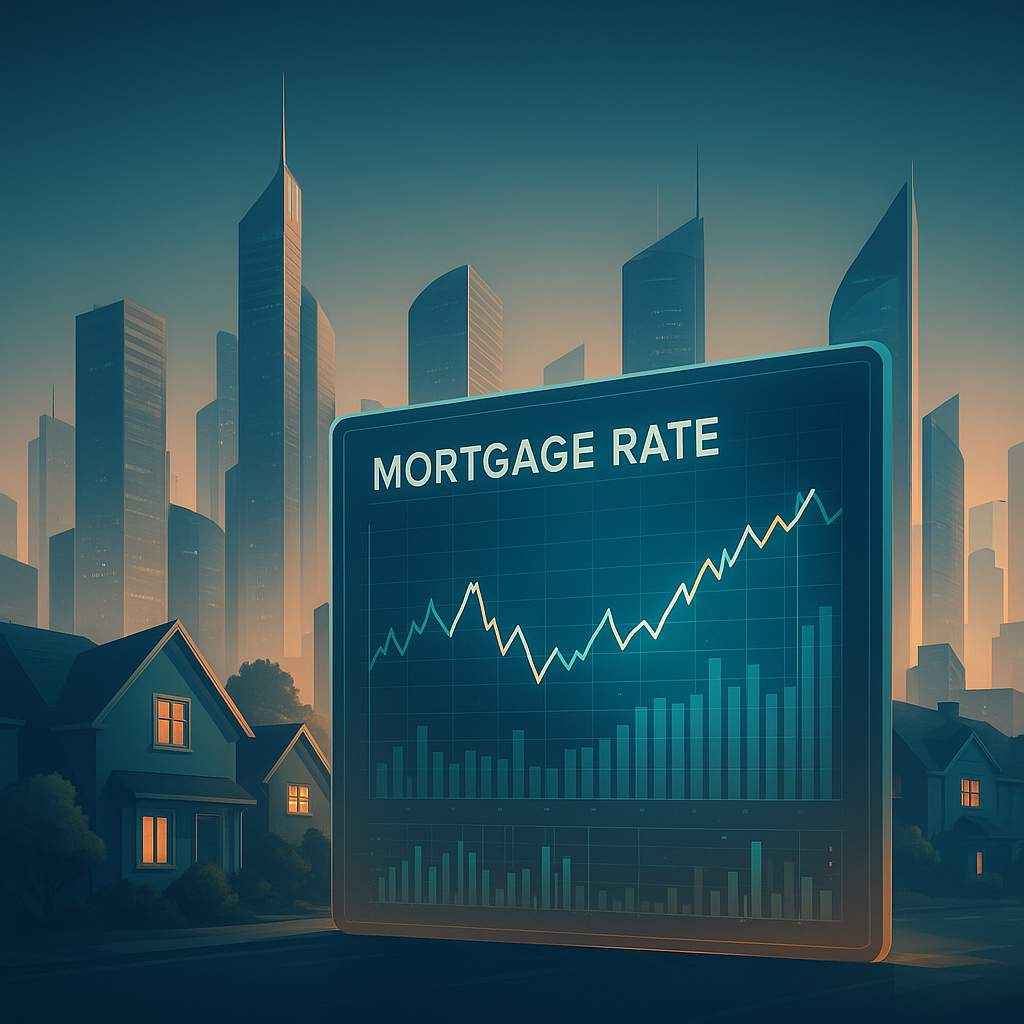
Imagine a bustling family in a suburban neighborhood, anxiously awaiting the moment their mortgage application gets approved. The excitement of homeownership is universally shared, but the path to securing a mortgage has never been more complex. As of early 2026, mortgage rates in the United States have experienced significant fluctuations, profoundly influencing buyers’ decisions and the broader real estate market. According to the latest data from Freddie Mac, the average 30-year fixed mortgage rate has hovered around 6.8% in the first quarter, marking a mild decline from the peak of 7.2% in late 2025.
These rates may seem like mere numbers, but they represent the cost of borrowing that directly affects monthly payments, affordability, and ultimately, the ability of millions to own a home. The ripple effect extends beyond buyers to lenders, real estate agents, and even government policymakers. This article explores the intricate forces behind mortgage rates, recent developments in 2026, and what these trends mean for the future of real estate.
“Mortgage rates are not just economic indicators; they are critical determinants of housing accessibility and economic mobility.” – Dr. Laura Chen, Senior Economist
Tracing the Roots: How We Arrived at Current Mortgage Rates
Understanding mortgage rates today requires a journey through the past decade’s economic and policy shifts. The post-pandemic era initially saw historically low rates as central banks, including the U.S. Federal Reserve, slashed benchmark interest rates to stimulate the economy. In 2020 and 2021, the average 30-year fixed mortgage rate sank below 3%, fueling an unprecedented housing boom.
However, starting in late 2022, inflationary pressures prompted the Federal Reserve to embark on a series of aggressive interest rate hikes. These hikes were aimed at cooling inflation but inadvertently pushed mortgage rates upward. By 2024, the average rates surpassed 6%, causing a noticeable slowdown in home sales and a recalibration of housing prices.
This backdrop highlights the strong correlation between central bank policies, inflation trends, and mortgage rates. Moreover, global events — including supply chain disruptions and geopolitical tensions — have contributed to economic uncertainty, further complicating the interest rate environment.
Key Drivers of Mortgage Rates Over the Past Five Years:
- Federal Reserve interest rate hikes: Multiple increases since 2022 to combat inflation.
- Inflation volatility: Persistent inflation above 4% until 2025, prompting monetary tightening.
- Bond market yields: Treasury yields, especially the 10-year note, which mortgage rates closely follow, have fluctuated significantly.
- Housing demand shifts: Urban exodus and remote work reshaped buyer preferences, affecting market dynamics.
These factors collectively set the stage for the mortgage rate environment experienced today.
Unpacking 2026: Current Mortgage Trends and Market Responses
In 2026, mortgage rates have exhibited signs of stabilization but remain elevated compared to the pre-pandemic era. The Federal Reserve’s recent decision to pause interest rate increases in March 2026 has been welcomed by the housing market, providing a tentative reprieve for borrowers. Still, the average mortgage rates are expected to remain above 6% for the foreseeable future, according to industry experts.
Several notable developments distinguish this year’s mortgage market:
- Rise of Adjustable-Rate Mortgages (ARMs): With fixed rates high, more buyers are opting for ARMs, which start with lower rates but carry risk if rates rise.
- Technological Innovation in Lending: Digital underwriting and AI-driven credit assessments have accelerated approvals and customized rate offerings.
- Stricter Lending Standards: Post-2024 regulatory scrutiny has tightened borrower qualifications, impacting affordability for some segments.
- Government Support Programs: New initiatives aimed at first-time buyers and low-income families are attempting to offset cost burdens.
This evolving landscape is driving both caution and creativity among lenders and buyers alike.
“The mortgage market today demands adaptability — from lenders innovating loan products to borrowers navigating complex affordability challenges.” – Michael Torres, Mortgage Industry Analyst
Data-Driven Insights: How Rates Influence Home Buying and Refinancing
Mortgage rates directly influence monthly payments and total interest paid over a loan’s lifetime, thereby shaping buyer behavior and market trends. According to recent data from the National Association of Realtors (NAR), a 1% increase in mortgage rates reduces home affordability by approximately 10%. This has tangible consequences:
- Declining Purchase Volume: Higher rates have contributed to a 12% year-over-year decline in home sales nationally in Q1 2026.
- Refinancing Slowdown: The refinancing market has contracted by nearly 40% compared to 2021’s peak levels.
- Shift Toward Smaller Loans: Buyers are seeking properties with lower price tags or putting down larger down payments to manage monthly costs.
Further examination reveals disparities across demographics and geographies. Millennials and Gen Z buyers face tighter constraints, while affluent buyers with strong credit profiles continue to secure favorable financing. Regional variations matter as well; metropolitan areas with robust job growth show more resilient demand despite higher rates.
For lenders, the challenge lies in balancing profitability and risk. Higher rates increase loan yields but can also lead to increased default risk if affordability breaks down. Consequently, the industry is witnessing a cautious recalibration of credit scoring models and loan-to-value requirements.
Expert Perspectives: Voices from the Real Estate and Mortgage Sectors
The complexity of mortgage rates in 2026 invites diverse expert viewpoints. Several leading voices offer insights into current market forces and future expectations.
“Mortgage rates are the fulcrum on which the entire housing market pivots. Understanding their trajectory is crucial for policymakers and investors alike.” – Sarah Nguyen, Chief Economist at RealProperty Insights
Nguyen emphasizes that while rates are influenced by macroeconomic fundamentals, localized factors such as job growth and housing supply remain equally vital. She suggests that a surge in new housing construction, combined with targeted affordability programs, could dampen rate sensitivity over time.
Meanwhile, lenders like HomeTrust Mortgage report an uptick in demand for hybrid mortgage products that blend fixed and adjustable components, catering to buyers’ desire for flexibility amid uncertain rate forecasts. Mortgage brokers also note increased client interest in financial planning and rate-lock strategies to mitigate future rate hikes.
Industry insiders warn, however, of potential headwinds. Rising global interest rates, ongoing inflation risks, and geopolitical uncertainties could trigger further volatility. As a result, transparent communication and consumer education on mortgage options are critical.
Looking Ahead: What to Watch in Mortgage Rates and Housing Markets
Forecasting mortgage rates is inherently challenging, but several key indicators and trends merit close attention as 2026 progresses:
- Federal Reserve Policy Adjustments: Any resumption of rate hikes or cuts will directly affect mortgage benchmarks.
- Inflation Trends: Sustained inflation above 3% may pressure rates upward, while easing inflation could provide relief.
- Housing Supply and Demand Balance: New construction, zoning reforms, and migration patterns will influence price dynamics and borrowing needs.
- Technological Disruption: Advances in lending technology may reduce costs and improve access, potentially altering rate sensitivity.
Buyers and investors should prepare for a mortgage landscape defined by both opportunity and complexity. Strategic financial planning, awareness of evolving loan products, and leveraging expert guidance will be essential. For a deeper understanding of how these factors interplay with broader market shifts, you might enjoy exploring Real Estate in 2026: Trends, Data, and Future Outlook and Why Housing Affordability Is the Defining Challenge of Our Time.
“Navigating mortgage rates today requires a blend of market insight, technological savvy, and policy awareness — a skill set that homebuyers must cultivate.” – Rachel Kim, Financial Strategist
In conclusion, mortgage rates remain a central axis around which the ambitions and realities of homeownership revolve. Their trajectory in 2026 and beyond will be shaped by a complex web of economic policies, market forces, and technological progress. Stakeholders across the real estate spectrum must stay informed and adaptable to thrive in this evolving environment.