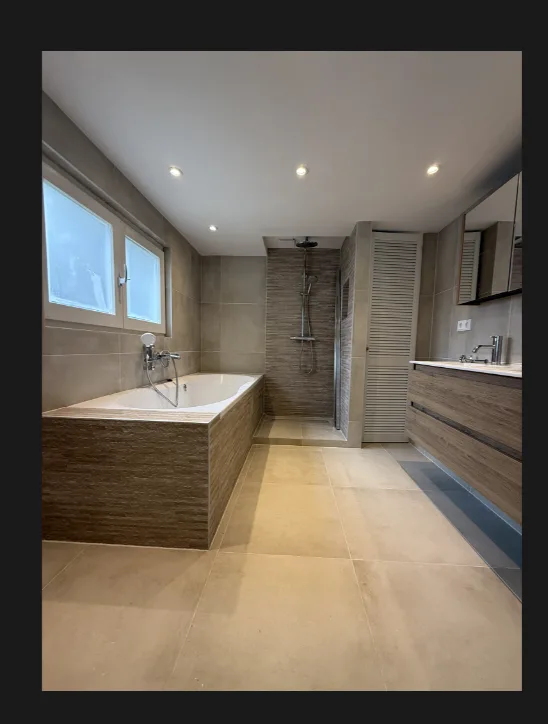
Bathroom renovation is one of the most valuable home improvement projects for homeowners in the Netherlands. Whether you live in Amsterdam, Rotterdam, Utrecht, Eindhoven, or a smaller Dutch town, a modern and functional bathroom significantly improves comfort, increases property value, and enhances energy efficiency. However, renovating a bathroom requires careful planning, budgeting, and coordination with professionals.
The Dutch housing market includes a wide variety of property types, from historic canal houses to modern apartments and family homes. Each property comes with its own renovation challenges, especially when it comes to plumbing systems, ventilation, waterproofing, and limited space. Understanding the complete renovation process helps homeowners avoid costly mistakes and delays.
This guide explains the full step-by-step bathroom renovation process in the Netherlands, from the first design ideas to the final finishing touches. If you are considering a complete or partial upgrade, understanding the local approach to bathroom renovation netherlands projects will help you make informed decisions and achieve the best results.
Why Bathroom Renovation Is Popular in the Netherlands
Dutch homeowners increasingly invest in bathroom renovations for several important reasons:
- Improved energy efficiency
- Better water-saving solutions
- Increased property value
- Enhanced comfort and functionality
- Modern interior aesthetics
- Aging-in-place adaptations
- Mold and moisture prevention
Many older Dutch homes have outdated bathrooms with inefficient plumbing, poor ventilation, or limited insulation. Modern renovation techniques allow homeowners to create sustainable and stylish bathrooms adapted to contemporary living standards.
Step 1: Define Your Bathroom Renovation Goals
Before contacting contractors or purchasing materials, it is essential to define the purpose of your renovation.
Ask yourself the following questions:
- Do you want a luxury spa-like bathroom?
- Is the goal to improve functionality?
- Are you preparing the property for sale?
- Do you need more storage space?
- Are you replacing old plumbing systems?
- Is accessibility important for elderly family members?
Clearly defining your goals helps determine the renovation scope, timeline, and budget.
Common Bathroom Renovation Types
Cosmetic RenovationThis includes replacing tiles, fixtures, paint, and lighting without changing the layout.
Partial RenovationSome elements are replaced while existing plumbing or electrical systems remain intact.
Full Bathroom RenovationThe entire bathroom is demolished and rebuilt, often including plumbing relocation and structural improvements.
Step 2: Set a Realistic Budget
Bathroom renovation costs in the Netherlands vary depending on several factors:
- Bathroom size
- Material quality
- Labor costs
- Plumbing complexity
- Custom installations
- Tile selection
- Smart technology integration
Average Bathroom Renovation Costs in the Netherlands
Renovation TypeEstimated CostBasic renovation€5,000 – €10,000Mid-range renovation€10,000 – €18,000Luxury renovation€18,000 – €35,000+Older Dutch homes may require additional work such as pipe replacement, moisture treatment, or electrical upgrades, which can increase the total cost.
It is recommended to reserve an additional 10–15% contingency budget for unexpected expenses.
Step 3: Create a Bathroom Design Plan
A professional design plan is crucial for a successful renovation. In the Netherlands, many homeowners work with interior designers or renovation specialists to optimize limited bathroom space.
Important Design Considerations
Layout OptimizationDutch bathrooms are often compact, especially in urban apartments. Efficient layouts maximize usable space.
Storage SolutionsWall-mounted cabinets and recessed shelves are popular choices.
VentilationGood ventilation is essential in the humid Dutch climate to prevent mold and condensation.
LightingModern bathrooms combine ambient, task, and accent lighting.
Water EfficiencyMany Dutch homeowners choose water-saving showers, faucets, and toilets.
Popular Bathroom Styles in the Netherlands
- Scandinavian minimalism
- Modern industrial
- Contemporary luxury
- Natural spa-inspired design
- Black-and-white modern aesthetics
Step 4: Hire Professional Contractors
Choosing the right renovation company is one of the most important steps.
A reliable contractor should have:
- Experience with Dutch building regulations
- Positive customer reviews
- Transparent pricing
- Clear project timelines
- Insurance coverage
- Warranty on workmanship
For complex bathroom renovation netherlands projects, homeowners often hire specialists for:
- Plumbing
- Electrical work
- Tiling
- Waterproofing
- Ventilation installation
Questions to Ask Contractors
- Are permits required?
- What is the expected timeline?
- What warranties are included?
- Can you provide references?
- Who manages the project?
Obtaining multiple quotations allows you to compare services and pricing.
Step 5: Obtain Necessary Permits
In most Dutch bathroom renovations, permits are not required for cosmetic updates. However, permits may be necessary if:
- Structural walls are modified
- Plumbing systems are relocated
- Ventilation systems are altered
- Historical buildings are involved
- Major electrical upgrades are needed
Municipal regulations differ between cities, so homeowners should verify local requirements before starting construction.
Step 6: Demolition and Preparation
Once planning is complete, the renovation begins with demolition.
Demolition Usually Includes
- Removing old tiles
- Dismantling sinks and toilets
- Removing bathtubs or showers
- Taking out old plumbing fixtures
- Removing damaged drywall or flooring
During this stage, contractors inspect hidden issues such as:
- Water damage
- Mold
- Pipe corrosion
- Structural problems
- Electrical hazards
In older Dutch houses, hidden moisture damage is relatively common due to aging infrastructure.
Step 7: Plumbing and Electrical Work
After demolition, technical installations are completed.
Plumbing Installation
This stage may involve:
- Replacing water pipes
- Installing new drains
- Relocating shower or toilet positions
- Installing underfloor heating systems
Modern Dutch bathrooms increasingly use concealed plumbing systems for a clean minimalist appearance.
Electrical Installation
Licensed electricians install:
- New wiring
- Power outlets
- LED lighting
- Mirror heating systems
- Electric towel radiators
- Smart bathroom controls
Safety regulations in the Netherlands require moisture-resistant electrical installations in bathrooms.
Step 8: Waterproofing the Bathroom
Waterproofing is one of the most critical parts of the renovation process.
Poor waterproofing can lead to:
- Mold growth
- Structural damage
- Expensive repairs
- Moisture penetration into neighboring apartments
Waterproofing Methods
Professionals typically apply:
- Waterproof membranes
- Sealing compounds
- Moisture-resistant boards
- Silicone sealing systems
Dutch building standards place strong emphasis on proper moisture protection.
Step 9: Tile Installation
Tiles play both a functional and decorative role in bathroom design.
Popular Tile Options in the Netherlands
Ceramic TilesAffordable, durable, and easy to maintain.
Porcelain TilesHighly water-resistant and ideal for floors.
Natural StoneLuxurious appearance but requires more maintenance.
Large-Format TilesIncreasingly popular for modern minimalist bathrooms.
Tile Trends
Current Dutch bathroom trends include:
- Neutral earth tones
- Matte finishes
- Concrete-look tiles
- Marble-inspired surfaces
- Textured accent walls
Professional tile installation ensures proper alignment, drainage slope, and long-term durability.
Step 10: Installing Bathroom Fixtures
After tiling is complete, fixtures are installed.
Typical Fixture Installations
- Toilets
- Sinks
- Faucets
- Showers
- Bathtubs
- Mirrors
- Vanity units
- Towel warmers
Wall-mounted fixtures are especially popular in Dutch bathrooms because they create a clean modern appearance and simplify cleaning.
Step 11: Ventilation and Heating Installation
The humid Dutch climate makes ventilation extremely important.
Common Ventilation Systems
- Mechanical extraction systems
- Heat recovery ventilation
- Humidity-controlled ventilation
Proper ventilation improves air quality and reduces mold risks.
Bathroom Heating Options
Underfloor HeatingVery popular in the Netherlands due to comfort and energy efficiency.
Electric Towel RadiatorsProvide both warmth and practical towel drying.
Central Heating IntegrationMany bathrooms connect to existing home heating systems.
Step 12: Painting and Finishing Touches
Once technical installations are complete, finishing work begins.
Finishing Elements Include
- Moisture-resistant paint
- Silicone sealing
- Decorative accessories
- Shelving installation
- Lighting adjustments
- Glass shower partitions
Small details significantly influence the final appearance and usability of the bathroom.
Step 13: Final Inspection and Quality Control
Before considering the project complete, a final inspection is necessary.
Contractors Typically Check
- Water pressure
- Drainage performance
- Waterproof sealing
- Tile alignment
- Electrical safety
- Ventilation efficiency
Homeowners should carefully review all work and identify any issues that require correction before making the final payment.
Common Challenges During Bathroom Renovations in the Netherlands
Limited Space
Urban Dutch homes often have compact bathrooms, requiring creative space-saving solutions.
Older Infrastructure
Historic properties may contain outdated plumbing or electrical systems.
Moisture Problems
The Dutch climate increases the importance of waterproofing and ventilation.
Delays in Material Delivery
Custom fixtures or imported tiles can extend renovation timelines.
Labor Shortages
Experienced contractors may have long waiting lists, especially in major cities.
How Long Does a Bathroom Renovation Take?
The average bathroom renovation in the Netherlands takes:
Renovation ScopeEstimated TimelineCosmetic upgrade1–2 weeksPartial renovation2–4 weeksFull renovation4–8 weeksComplex projects involving structural changes may take longer.
Sustainable Bathroom Renovation Trends in the Netherlands
Sustainability is increasingly important in Dutch home renovations.
Eco-Friendly Features
- Water-saving toilets
- Low-flow showerheads
- LED lighting
- Recycled materials
- Energy-efficient ventilation
- Sustainable wood furniture
Many homeowners also choose solar-powered water heating systems to reduce energy consumption.
Smart Bathroom Technology
Modern Dutch bathrooms increasingly integrate smart technology.
Popular Smart Features
- Digital shower controls
- Smart mirrors
- Motion-sensor lighting
- Heated mirrors
- Voice-controlled lighting
- Temperature automation
These features improve convenience and energy efficiency.
Tips for a Successful Bathroom Renovation
Plan Carefully
Detailed planning prevents unexpected costs and delays.
Focus on Ventilation
Proper airflow is essential in Dutch homes.
Invest in Quality Materials
Bathrooms experience constant moisture exposure.
Hire Experienced Professionals
Qualified contractors ensure compliance with Dutch regulations.
Prioritize Functionality
Beautiful design should also be practical for daily use.
Consider Future Needs
Accessibility features may increase long-term comfort and property value.
Bathroom Renovation Trends for 2026
Several bathroom design trends are expected to dominate the Dutch market:
Natural Materials
Wood, stone, and earthy textures remain highly popular.
Minimalist Design
Clean lines and uncluttered spaces continue to define modern bathrooms.
Walk-In Showers
Frameless glass showers create spacious visual effects.
Black Fixtures
Matte black faucets and accessories remain fashionable.
Wellness-Focused Spaces
Spa-inspired bathrooms with relaxation features continue growing in popularity.
Why Professional Renovation Matters
Bathroom renovations involve multiple technical disciplines:
- Plumbing
- Electrical systems
- Waterproofing
- Ventilation
- Structural work
Mistakes in any of these areas can lead to expensive repairs and safety risks. Professional contractors ensure compliance with Dutch construction standards and deliver long-lasting results.
A professionally completed bathroom renovation netherlands project not only improves comfort but also increases the overall value of the property.
Conclusion
Bathroom renovation in the Netherlands is a significant investment that requires strategic planning, professional expertise, and careful execution. From the initial design phase to the final inspection, every step plays a crucial role in achieving a durable, functional, and visually appealing result.
Dutch homeowners face unique challenges such as compact layouts, moisture control, and older infrastructure, but modern renovation techniques offer excellent solutions for every type of property. Whether you are upgrading a small apartment bathroom or creating a luxury spa-like retreat, understanding the complete renovation process helps ensure a smooth and successful project.
By working with experienced professionals, selecting high-quality materials, and focusing on both functionality and sustainability, homeowners can create bathrooms that provide comfort, efficiency, and long-term value for many years to come.