
Water quality has become an increasingly important household topic across Australia. While the country maintains high public treatment standards, many Australians are paying closer attention to what happens to water after it leaves municipal infrastructure and enters private homes. Ageing pipes, seasonal weather patterns and changing environmental conditions have all contributed to growing public awareness about the quality of everyday drinking water.
One of the key reasons behind this shift is the increasing focus on household infrastructure itself. Water can travel through kilometres of piping before reaching the kitchen tap, and the condition of internal plumbing can influence taste, odour and sediment levels. Older homes in particular may contain ageing fittings, corroded pipes or accumulated mineral deposits that affect the final quality of water used for drinking and cooking.
At the same time, climate conditions across Australia continue to shape water discussions. Heavy rainfall can increase sediment movement within reservoirs and waterways, while prolonged dry periods may alter mineral concentration and water hardness. Although treatment facilities are designed to manage these variables carefully, many households have become more conscious of how seasonal changes influence the characteristics of their water supply.
This growing awareness has encouraged many Australians to explore water filtration systems as part of general household maintenance rather than as a reaction to emergency concerns. Importantly, people are becoming more informed about the purpose of filtration. Rather than assuming all filters perform the same function, homeowners are increasingly learning about the differences between sediment filtration, activated carbon treatment and membrane-based systems.
Research into contaminants such as microplastics and trace chemical residues has also contributed to public interest. Scientific studies continue to examine how extremely small particles move through water systems and what impact they may have over long periods of exposure. While many findings remain under ongoing review, the broader effect has been a stronger public interest in understanding water quality at a household level.
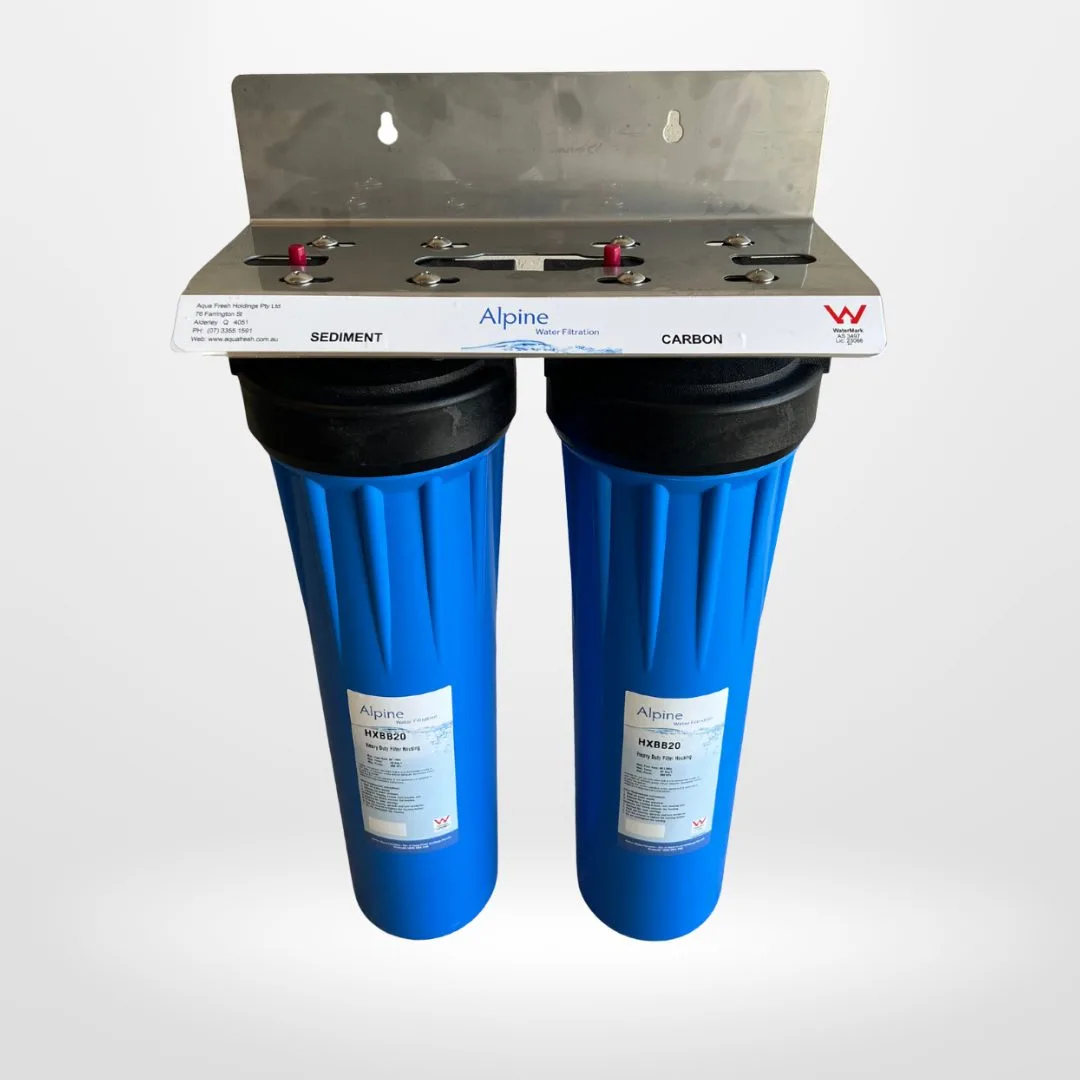
Another factor influencing Australian households is convenience. Smaller urban homes and apartment living have increased interest in point-of-use treatment options that focus only on drinking and cooking water rather than the entire household supply. For many residents, a sink water filter offers a practical way to manage water directly at the point where it is consumed most frequently. This approach can be especially relevant in homes where space is limited or where residents want a more targeted solution.
However, experts consistently note that filtration effectiveness depends heavily on maintenance. A common misunderstanding is that installing a filter automatically guarantees long-term performance. In reality, filtration media gradually loses efficiency as particles accumulate and absorption capacity declines. This is why water filter replacement is considered a critical part of maintaining household water quality.
Ignoring replacement schedules can reduce filtration performance significantly over time. In some cases, older filters may even affect water flow or allow trapped sediment to build up within the system. Maintenance recommendations generally depend on household water usage, local water quality and the specific technology being used. Following appropriate service intervals helps ensure that systems continue to perform as intended.
Beyond cartridges and filter media, householders are also becoming more aware of the importance of component integrity. Small mechanical issues can influence system performance more than many people realise. Cracked housings, worn seals or damaged fittings may create leaks or reduce filtration efficiency without obvious warning signs. Understanding the role of water filter spare parts has therefore become increasingly relevant for long-term household maintenance.
Australian consumers are also showing greater interest in evidence-based decision-making. Instead of relying solely on advertising claims, many people now consult local water reports, compare independent testing information and learn more about the specific characteristics of their regional supply. This represents a meaningful shift in public understanding. Water quality is no longer viewed simply as a fixed issue managed entirely by utilities, but as something also influenced by conditions inside the home.
Importantly, water concerns vary widely depending on location. Rural households using rainwater tanks face different considerations from apartment residents connected to large metropolitan systems. Coastal regions may experience different mineral profiles compared with inland communities, while older suburbs often encounter plumbing-related issues that newer developments avoid.
The broader trend reflects a more practical and informed attitude toward household wellbeing. Australians are not necessarily becoming more fearful about water. Instead, they are becoming more knowledgeable about how infrastructure, maintenance and environmental conditions shape the water they use every day.
As public understanding continues to evolve, household water management is likely to remain an important conversation in Australian homes. Better awareness, regular maintenance and informed decision-making are increasingly recognised as key parts of supporting long-term water quality and everyday confidence at home.
Author Bio:
This article was written by Sam, a researcher focused on sustainable household living, covering water filtration systems and practical approaches to improving everyday water quality in Australian homes.