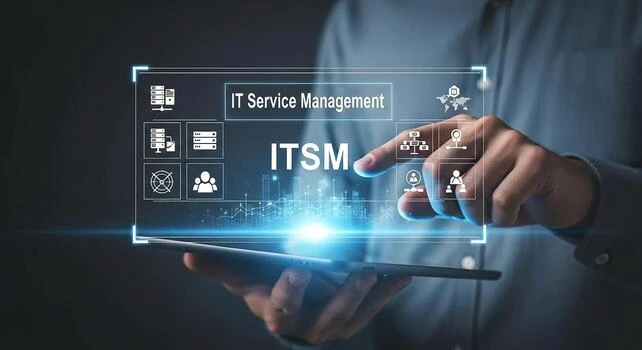
As we move deeper into 2026, one thing is clear: technology is no longer just supporting business operations-it is the business. From cloud-native applications and distributed teams to AI-driven decision-making and rising cybersecurity threats, organizations are operating in an environment that’s more complex, fast-moving, and unforgiving than ever before.
In this landscape, Managed IT Solutions are no longer a “nice to have.” They’ve become a strategic necessity.
Across industries, companies are rethinking how they manage technology, shifting away from fragmented in-house setups toward integrated, expert-led managed IT services. This shift isn’t driven by cost alone. It’s driven by the need for resilience, agility, intelligence, and sustained growth in an increasingly digital economy.
The Reality of Running IT in 2026
Today’s IT environment looks nothing like it did even five years ago. Businesses are juggling hybrid cloud infrastructures, remote workforces, SaaS ecosystems, security compliance, and massive volumes of data-all while trying to innovate faster than competitors.
Managing this internally has become increasingly difficult for several reasons:
- IT skill shortages are growing worldwide
- Cyber threats are more frequent and sophisticated
- Systems are more interconnected, increasing risk
- Downtime has a direct and immediate impact on revenue
In response, many organizations are turning to Managed IT Solutions not just to keep systems running, but to gain strategic control over their technology environments.
Managed IT Solutions Have Evolved Beyond “Support”
There was a time when managed IT services were viewed as outsourced helpdesks-focused mainly on troubleshooting and maintenance. That perception is outdated.
In 2026, Managed IT Solutions are about ownership, intelligence, and outcomes.
Modern providers take responsibility for:
- Proactive system monitoring and optimization
- Cybersecurity strategy and threat prevention
- Cloud and infrastructure scalability
- Technology alignment with business goals
- Continuous improvement driven by data insights
Rather than reacting to problems, managed IT partners prevent them-and more importantly, help businesses use technology as a competitive advantage.
Security Is No Longer Optional-It’s Foundational
Cybersecurity has become one of the most critical business risks of our time. Ransomware attacks, data leaks, and compliance failures can cripple operations overnight.
Managed IT Solutions play a central role in protecting organizations by delivering:
- 24/7 threat monitoring and incident response
- Automated patching and vulnerability management
- Identity and access controls
- Backup, disaster recovery, and business continuity planning
What sets modern managed IT services apart is their integration with analytics. By working alongside data analytics consultants, providers can analyze system logs, user behavior, and threat patterns to predict and prevent breaches before they escalate.
In 2026, cybersecurity is not a standalone function—it’s embedded into every layer of managed IT.
Performance, Uptime, and User Experience Matter More Than Ever
In a digital-first world, performance is directly tied to customer trust and employee productivity. Slow applications, unstable systems, or frequent outages can damage both reputation and revenue.
Managed IT Solutions ensure performance optimization through:
- Continuous infrastructure monitoring
- Load balancing and capacity planning
- Cloud optimization for speed and cost
- Rapid issue resolution before downtime occurs
This proactive approach enables teams to work efficiently, customers to enjoy seamless experiences, and leadership to operate with confidence that technology won’t become a bottleneck.
Data-Driven IT Is the New Standard
In 2026, IT decisions can’t be based on intuition alone. Businesses expect measurable outcomes from their technology investments.
That’s why many Managed IT Solutions now integrate analytics capabilities supported by data analytics consultants. These insights help organizations:
- Identify inefficiencies across systems
- Forecast future IT needs
- Optimize infrastructure spending
- Align technology initiatives with business KPIs
When IT performance is tracked, analyzed, and continuously refined, it shifts from a cost center to a value generator.
Supporting Innovation Through Application Development
Innovation today is software-driven. Whether it’s customer-facing platforms, internal tools, or AI-powered applications, businesses rely heavily on custom technology.
Managed IT Solutions increasingly work hand-in-hand with application development services to ensure that innovation doesn’t come at the cost of stability.
This includes:
- Supporting modern application architectures
- Managing deployment pipelines and environments
- Ensuring performance, security, and scalability post-launch
- Maintaining and optimizing applications over time
Instead of treating development and operations separately, managed IT providers enable a more unified, agile approach-allowing businesses to innovate faster without sacrificing reliability.
Cost Predictability in an Unpredictable Economy
Economic uncertainty continues to shape business decisions in 2026. Leaders want flexibility, transparency, and predictable spending—especially when it comes to technology.
Managed IT Solutions offer:
- Fixed or scalable pricing models
- Reduced capital expenditure
- Lower risk of unexpected downtime costs
- Better ROI through optimized systems
Rather than investing heavily in internal infrastructure and staffing, businesses gain access to enterprise-level expertise and tools at a predictable cost.
Why Strategic Partnerships Matter More Than Ever
The most successful companies don’t view managed IT providers as vendors. They treat them as long-term partners.
A strategic managed IT partner understands:
- Your industry and competitive landscape
- Your growth objectives and challenges
- The technologies that matter now—and those that will matter next
This partnership model ensures that IT decisions support long-term business strategy, not just short-term fixes.
The Competitive Advantage of Managed IT Solutions in 2026
Organizations leveraging Managed IT Solutions are better positioned to:
- Respond quickly to market changes
- Scale operations without disruption
- Protect sensitive data and customer trust
- Make smarter decisions using real-time insights
- Focus leadership energy on growth and innovation
In contrast, companies relying on outdated IT models often struggle with inefficiency, risk exposure, and slower time-to-market.
Looking Ahead: IT as a Growth Catalyst
As technology continues to shape every aspect of business, the role of IT will only grow more strategic. In 2026, success belongs to organizations that treat IT as a core driver of performance-not an afterthought.
Managed IT Solutions provide the structure, expertise, and intelligence needed to thrive in this environment.
Ready to Rethink How You Manage IT?
If your organization is preparing for the future, now is the time to evaluate how technology supports your goals.
Prohash Technologies delivers Managed IT Solutions designed for modern businesses-combining proactive IT management, analytics-driven insights, and scalable support to help organizations operate securely, perform consistently, and grow confidently. Visit the Prohash Technologies website to explore how a strategic IT partnership can future-proof your business.

Frequently Asked Questions (FAQs)
1. What are Managed IT Solutions?
Managed IT Solutions involve outsourcing IT management to experts who proactively monitor, secure, and optimize systems to support business objectives.
2. How do managed IT services differ from traditional IT support?
Traditional IT support is reactive, while managed IT services focus on prevention, performance optimization, and long-term strategy.
3. Can Managed IT Solutions support business growth?
Yes. By improving stability, scalability, and data-driven decision-making, managed IT solutions enable sustainable growth.
4. How do data analytics consultants fit into managed IT?
They provide insights into system performance, security trends, and operational efficiency, helping businesses make smarter IT decisions.
5. Are Managed IT Solutions suitable for mid-sized companies?
Absolutely. In fact, mid-sized organizations often benefit the most due to access to enterprise-level expertise without high internal costs.