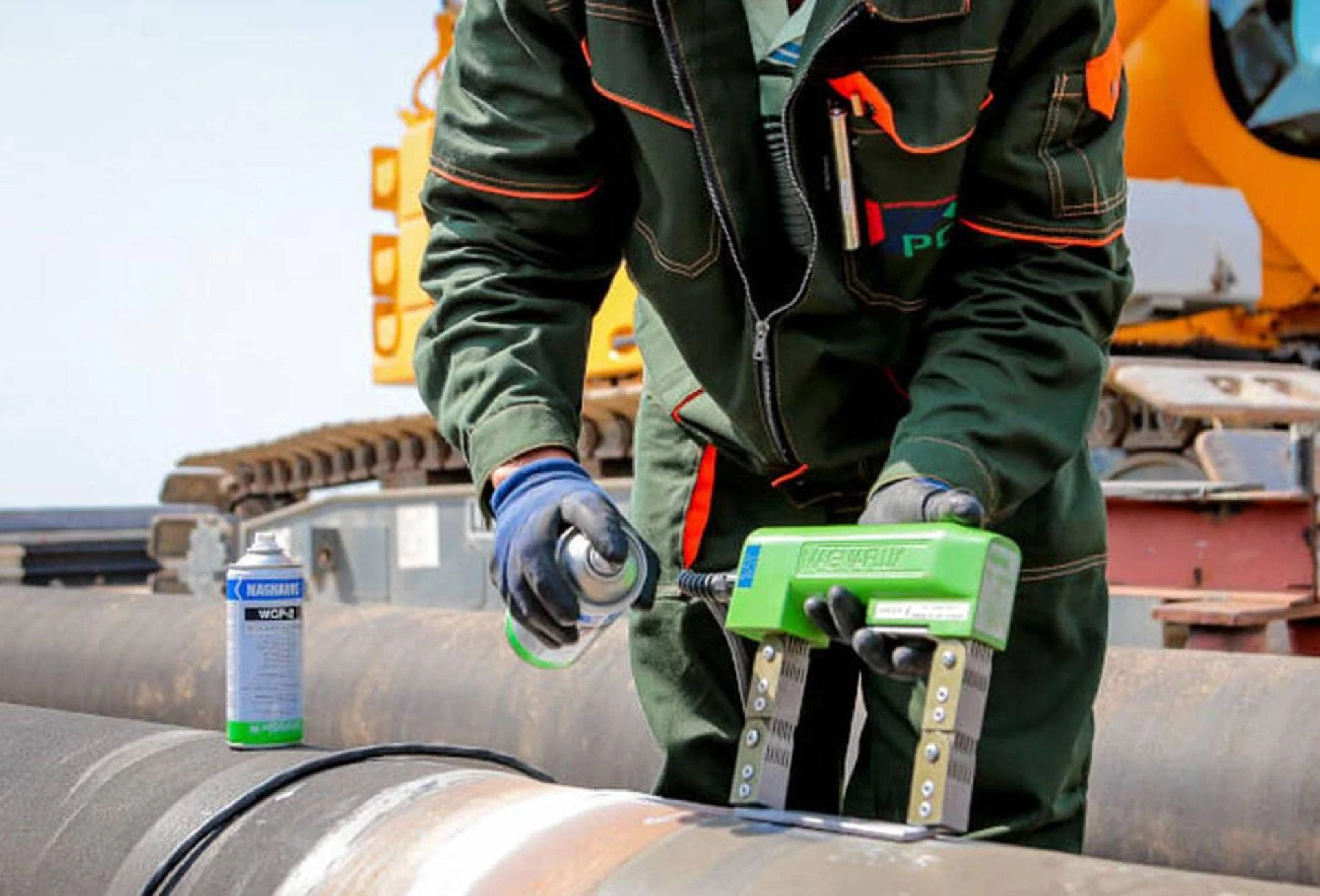
The Essential Role of Magnetic Particle Inspection in Modern Industry
In today’s fast-paced industrial world, ensuring the reliability and safety of equipment is more critical than ever. Whether it’s aerospace components, automotive parts, or heavy-duty machinery, even the smallest defect can lead to significant failures, costly downtime, and serious safety hazards. This is why non-destructive testing (NDT) methods have become a vital step in quality assurance—and among the most widely relied upon of these methods is magnetic particle inspection.
As industries evolve and production demands increase, the need for precise, reliable testing grows as well. Magnetic particle inspection has earned its place as one of the most efficient ways to detect surface and near-surface flaws in ferromagnetic materials. It’s a technique trusted by manufacturers, engineers, and inspectors worldwide, making it an essential part of maintaining structural integrity across countless applications.
What Is Magnetic Particle Inspection?
Magnetic particle inspection is a non-destructive testing technique that identifies surface cracks and slightly subsurface discontinuities in materials like iron, steel, and other ferromagnetic metals. The process works by magnetising the component and then applying magnetic particles—either dry powder or suspended in a liquid—to the surface. These particles gather at areas where the magnetic field is disrupted, typically indicating a flaw such as a crack, seam, inclusion, or void.
The beauty of this method lies in its simplicity and accuracy. It provides immediate visual results, enabling inspectors to quickly evaluate the condition of a component without damaging or altering it. For industries that rely heavily on safety and precision, having a fast and dependable inspection method is invaluable.
For a deeper understanding of the service and its real-world benefits, you can explore magnetic particle inspection offered by industry specialists.
Why Industries Depend on Magnetic Particle Inspection
1. Early Defect Detection
Magnetic particle inspection is highly sensitive to small imperfections. Even tiny cracks invisible to the naked eye can be detected early before they cause real-world failures. This allows companies to fix issues proactively, reducing the risk of breakdowns or accidents.
2. Cost-Effective Quality Assurance
Compared to other advanced inspection methods, magnetic particle inspection is relatively affordable while still providing highly accurate results. It requires minimal equipment, produces immediate indications, and speeds up decision-making during maintenance or manufacturing processes.
3. Ideal for Critical Components
Industries such as aerospace, rail, oil and gas, construction, and automotive often deal with high-stress components that must withstand extreme pressure, vibration, and usage. Magnetic particle inspection helps ensure these components consistently meet the highest safety and performance standards.
4. Versatile and Quick to Apply
The method is adaptable to various shapes and sizes of components—from large machinery parts to intricate metal pieces. The inspection process is also fast, making it ideal for high-volume production environments.
How the Inspection Process Works
While the technique may seem straightforward, it follows a systematic procedure to guarantee accurate results:
Step 1: Surface Preparation
The surface must be clean and free of oil, paint, dirt, and other contaminants. A clean surface ensures the magnetic particles can move freely and gather where needed.
Step 2: Magnetisation
The component is magnetised using an electric current or permanent magnet. When magnetised, any break in the material’s continuity causes a disruption in the magnetic field.
Step 3: Application of Magnetic Particles
Dry or wet magnetic particles are applied. If there’s a flaw, the particles will be drawn to that disruption, forming a visible indication.
Step 4: Inspection and Evaluation
Inspectors visually examine the patterns formed by the magnetic particles. Their expertise helps determine whether the flaws are acceptable, repairable, or require replacement of the part.
Step 5: Demagnetisation
After inspection, the component is demagnetised to prevent any issues during future handling or operation.
Where Magnetic Particle Inspection Is Most Commonly Used
The flexibility and reliability of magnetic particle inspection mean it plays an important role across multiple sectors:
- Aerospace: Ensuring aircraft components such as landing gears, engine parts, and structural sections are free of defects.
- Automotive: Checking gears, axles, crankshafts, and chassis components during manufacturing.
- Oil & Gas: Inspecting pipelines, drilling equipment, and pressure vessels.
- Rail Industry: Verifying the integrity of axles, wheels, and couplings.
- Construction: Testing cranes, load-bearing structures, and reinforced supports.
- Foundries & Fabrication Shops: Assessing castings, welds, and machined parts for quality control.
This wide-reaching applicability demonstrates how essential the technique is for industries where precision and safety are non-negotiable.
The Importance of Choosing a Skilled Inspection Provider
While the method itself is efficient, the accuracy of magnetic particle inspection heavily depends on the skill of the technician performing the test. Proper training, certification, and experience ensure that potential defects are identified correctly and evaluated using industry standards.
Partnering with an expert service provider guarantees not only reliable results but also valuable insights into component performance, maintenance schedules, and long-term safety planning. Whether you are testing new components or performing routine maintenance, working with professionals who understand your industry’s unique needs is crucial.
Final Thoughts
Magnetic particle inspection continues to be a benchmark method in non-destructive testing because of its effectiveness, speed, and affordability. As industries push for higher safety standards and better product quality, this inspection technique remains an essential part of ensuring components perform reliably under demanding conditions.
From small-scale fabrication shops to large industrial operations, magnetic particle inspection strengthens the backbone of modern manufacturing and maintenance. If your organisation relies on ferromagnetic materials and precision parts, having a dependable inspection process shouldn’t just be an option—it should be a priority.
For expert support or more detailed insights into the inspection process, explore magnetic particle inspection services delivered by specialists who understand the importance of accuracy and reliability in every industry.