
I still remember the first time I attended a business event that was live-streamed. Back then, it felt like a novelty—something extra, like the cherry on top of a well-planned in-person conference. Fast forward to today, and I can confidently say this: live streaming is no longer optional. It has become the backbone of modern business events, whether you're hosting a leadership town hall, launching a new product, or running a full-scale conference.
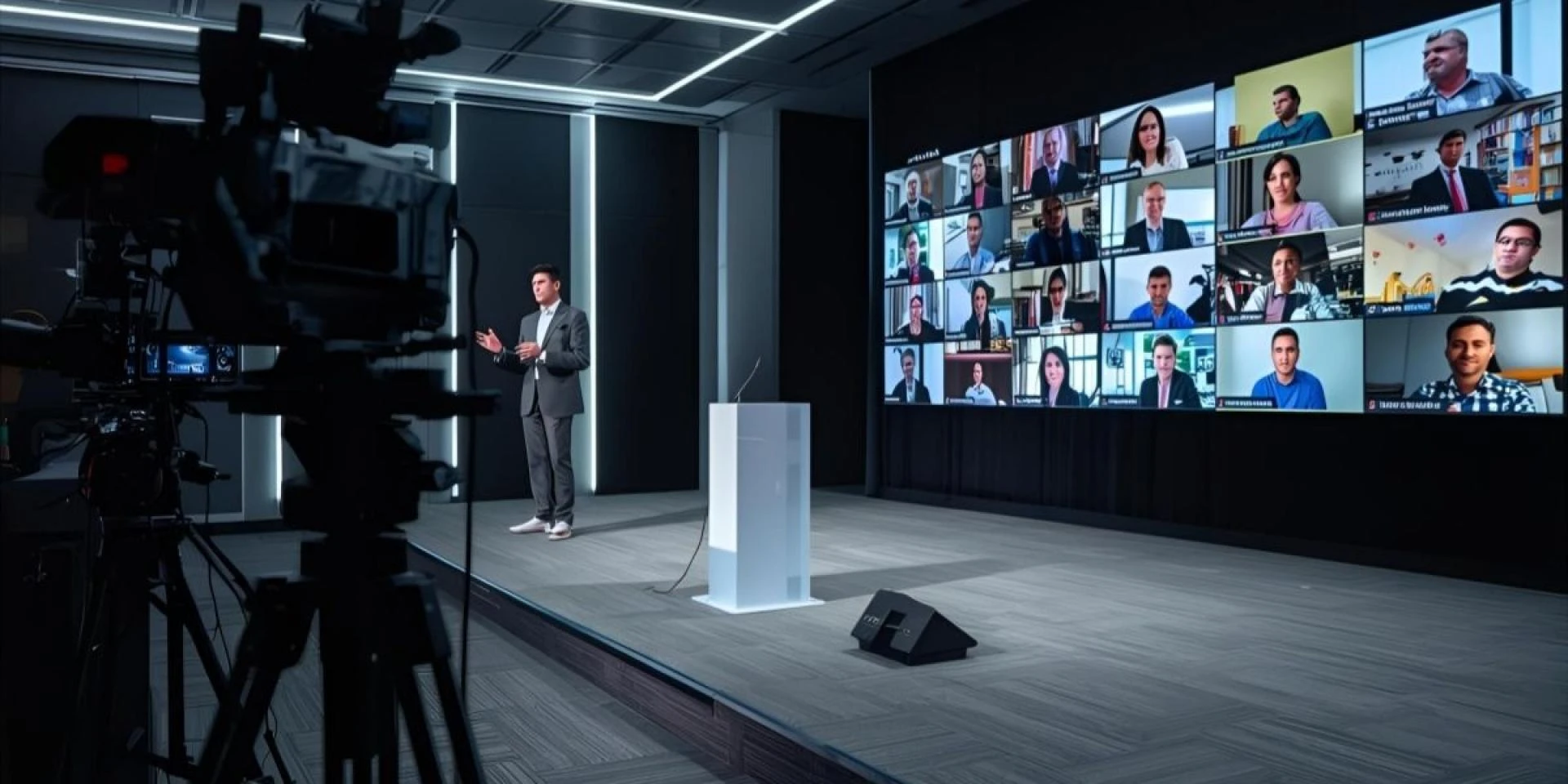
As someone who has spent years watching the shift in event production, I've seen how live streaming has evolved from a "nice-to-have" to a must-have strategy for engagement, reach, and impact. And in this post, I want to walk you through why that's the case, what trends I'm noticing in 2025, and how you can make live streaming a seamless part of your corporate events.
The Shift: From Bonus Feature to Business Necessity
When hybrid and virtual events first took off, many companies treated live streaming as a backup plan. It was there to make sure people who couldn't attend in person didn't miss out completely. But here's what's changed:
- Audiences now expect it. If you're not streaming, you're leaving out participants who are remote, global, or simply unable to travel.
- Executives see the ROI. The cost of live streaming is outweighed by the benefits of extended reach, stronger engagement, and detailed analytics.
- Technology has caught up. What used to be expensive and clunky is now smoother, more reliable, and scalable.
In short, live streaming isn't just an add-on anymore. It's a critical tool for building connection and extending brand impact.
Trend 1: Global Reach Without Borders
One of the most powerful things about live streaming is how it breaks down geographical barriers.
Why This Matters for Businesses
- International teams stay connected. Instead of flying everyone in, you can connect employees across time zones instantly.
- Clients and prospects join with ease. That high-value prospect in London doesn't have to miss your product launch in New York.
- Brand visibility skyrockets. A single event can now be experienced by thousands of viewers worldwide—many of whom you'd never reach with just an in-person setup.
I've seen companies turn what was once a 300-person conference into a 3,000-person global event, simply by streaming.
Trend 2: Audience Engagement in Real Time
The beauty of live streaming today isn't just about broadcasting—it's about interaction.
Engagement Tools That Change the Game
- Live polls & Q&A sessions that give remote attendees a voice.
- Chat functions where participants can connect, share ideas, and network.
- Real-time reactions that make the stream feel less like TV and more like a shared experience.
What strikes me most is how much remote attendees feel valued when these tools are used. It's no longer passive viewing—it's participation.
Trend 3: The Data Advantage
Here's something event planners love: live streaming generates data gold.
Insights You Can Capture
- Who tuned in and for how long.
- Which sessions had the highest engagement.
- When people dropped off or tuned out.
- How many viewers converted into leads or clients.
For marketing teams, this data is priceless. It helps refine strategies, identify what resonates, and prove ROI to leadership.
Trend 4: Cost Savings Without Cutting Corners
Some people assume live streaming is an expensive addition. But from where I stand, it's actually a cost-saver.
How Streaming Reduces Costs
- Less travel: Flying in fewer people saves thousands.
- Smaller venues: You don't need to book massive spaces when half your audience is virtual.
- Scalable production: A well-executed stream can reach unlimited viewers at minimal additional cost.
The key here is that live streaming doesn't cut corners—it expands possibilities while staying budget-conscious.
Trend 5: Building Hybrid Experiences
We can't talk about live streaming without mentioning hybrid events—where in-person and virtual merge seamlessly.
Why Hybrid Works
- Attendees can choose how they want to participate.
- Events feel inclusive, not exclusive.
- Networking and interaction become borderless.
Hybrid setups give events a flexibility that feels future-proof. No matter what unexpected challenges come up—travel restrictions, scheduling conflicts, or last-minute changes—hybrid powered by live streaming ensures the show goes on.
The Human Side of Streaming
I want to pause for a moment and say this: technology is essential, but human connection is what makes live streaming powerful.
Ways to Add Humanity to Live Streams
- Dedicated hosts for the virtual audience.
- Behind-the-scenes moments that make attendees feel included.
- Interactive networking breaks for online participants.
When events remember that there are real people behind every screen, the impact multiplies.
My Go-To AV Partner Recommendation
Of course, none of this happens without the proper technical support. I've seen events fall apart because someone tried to DIY live streaming—and let's say, shaky video and bad audio are deal-breakers for viewers.
That's why I always recommend working with professionals. One full-service AV company I truly trust is Lucas Productions USA. They handle everything—from lighting and staging to live streaming and production management. Having a team like this behind you ensures your event runs flawlessly, both in the room and online.
When I've partnered with them, I've felt that instant sense of relief knowing I could focus on the content and the audience, while they took care of the technical magic.
Looking Ahead: Live Streaming in 2025 and Beyond
As I look at the events industry this year, I can't help but notice that live streaming isn't just a trend—it's the new standard. Here's what I think we'll see even more of:
- AI-powered translations and captions to reach global audiences effortlessly.
- Immersive AR and VR integrations that bring virtual attendees closer to the action.
- Hyper-personalized streams where attendees choose their camera angle or session track.
The message is clear: business events are evolving, and live streaming is leading the way.
Final Thoughts
If there's one thing I want you to take away from this post, it's this: live streaming is no longer optional. It's the bridge that connects your message, your people, and your brand to a world that doesn't stop at the walls of a venue.
For corporate event planners and marketing teams, embracing live streaming isn't just smart—it's essential. With the right strategy and the right AV partner, you can create experiences that are not only seen, but honestly felt, no matter where your audience is.
And that's the event magic I believe every business should aim for.