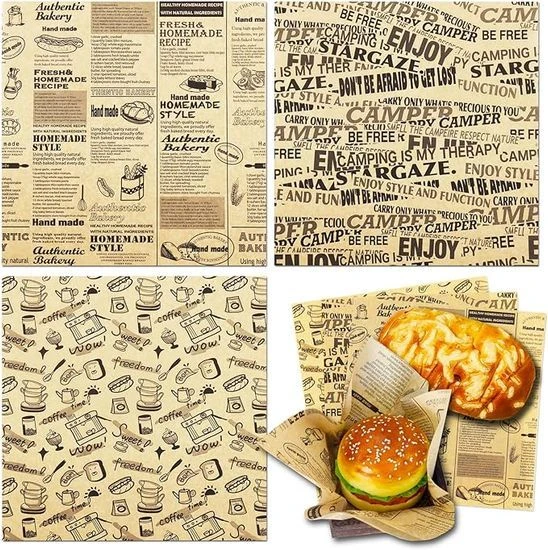
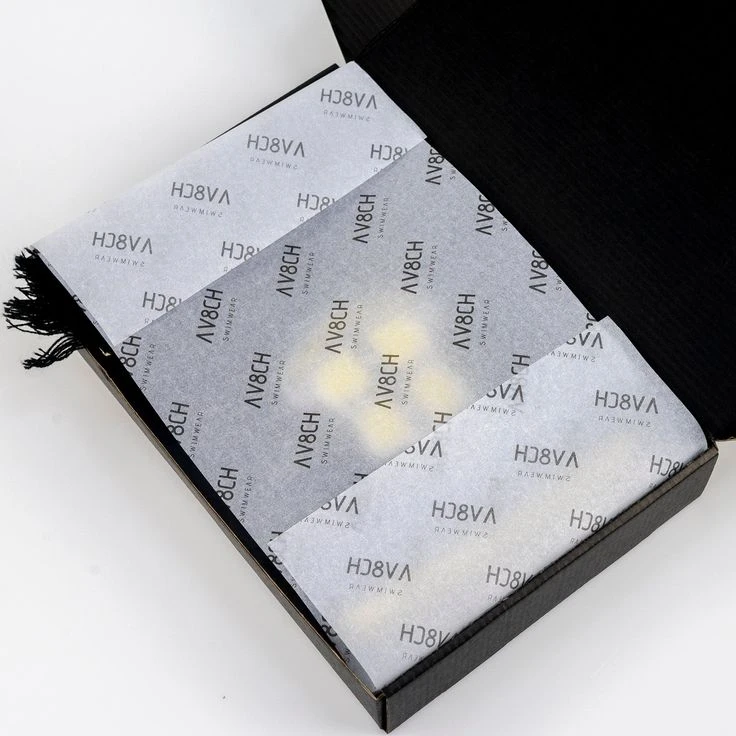
Perception in any business is defined in presentation. The packaging appearance is capable of making a basic product a luxury. In the case of custom printed tissue paper, layout optimization has the answer to functionality and brand identity. Design balance is augmented by a carefully laid-out layout, which makes the prints accurate. It assists in the smooth visual stream that can be used to support logos, text, and color balance. The layout precision is important in businesses to ensure uniformity within batches. The space, alignment, and all other details have an impact on the end result presentation. The appropriate layout design of the custom-printed tissue sheets provides packaging with a professional advantage and memorable unboxing experiences.
Layout Planning
Layout planning determines the way your custom tissue paper with logos will be printed. The initial one is the accommodation of the size of your package and where to place the design areas. It is always important to maintain the brand name in the print area to make sure that all the printed tissue paper sheets appear even. Do not overload it in the design with patterns and overlapping prints. Make sure that there are plenty of margins and space to crease or fold; these affect visibility. You need to preview several different designs and determine if there is a problem of symmetry or spacing. This will also aim at matching the logo and patterns in a controlled manner that ensures that each unwrapped product has the same look and impression.
Design Balance
A properly arranged design develops harmony in the entire presentation. All the visual balance principles must govern every part of the custom tissue paper wholesale. The mixture of big and small designs is what provides the perception of natural rhythm that directs the eyes of the viewer. The transparency of the paper used should also be considered in terms of the choice of print colour because this influences the visibility of the design. It is also important to have even spacing so that the logos are not distorted in any way throughout the folding or wrapping. A grid-based layout makes it easier to align and repeat patterns, in order to have each part of the layout resemble a whole. It is all about attaining a balance and not overpowering the viewer, so as to create a clean and high-end appearance of a tissue wrap that is used each time.
Print Precision
The accuracy defines the quality of the final product. In the case of working with custom tissue papers, sharpness and alignment in printing are a matter of concern. Correct calibration of printing equipment prevents design mistakes and imperfect ink application. Select high-resolution art to avoid fading or blurring, particularly for small fonts and interlaced patterns. Check proofs prior to mass production to verify their fidelity. Ink bleed testing may assist in detecting possible spreading or fading of the printing process. Print behavior is also affected by the thickness of tissue material, as well as finish. Consistency in print accuracy is a guarantee that your end product is of brand quality and offers a clean finish per wrap.
Color Management
Brand recall is influenced by the choice of color. Where printed tissue paper is used, calibration of colors within sets of print batches gives the same results. Tune color schemes to particular brand colors. Saturation of color environment (examine the way color is used and how this interprets the levels of transparency). Use of too large contrasts should be avoided to blur the print on the thin material. The lines and shades are soft and pleasant, and the elements do not negatively affect readability. When it comes to ink density, be careful that it does not clump or become smudged. In color management, let us consider that color management is the foundation of quality assurance, because each printed sheet must represent your visual image as accurately and consistently as possible, regardless of the production run of your brand.
Brand Integration
Powerful packaging designs achieve identity. Introducing a printed sheet of tissue paper to your overall branding is a visual assurance of consistency across all materials. Wording, Logos, slogans, and graphics must be in proportion and aligned in the design. Make things different but complementary so as not to create visual clutter. Take into account the way it is packaged, i.e,. Bags, boxes, or wraps, to determine the positioning of the logo. Light repetitions of the design elements create the recognition and customization of the packaging. The integration process will turn ordinary tissue into a brand storytelling tool. Each piece of paper you print becomes a marketing mascot in itself, reaffirming to each customer that your business is unique.
Bulk Efficiency
The packaging at a large scale necessitates the effective management of layouts. In the case of the sourcing of printed tissue paper, design optimization can be used to minimize printing waste and cost. Large-scale printing is made easy through the use of uniform layout templates and enhances speed in production. According to the aspect of repetition, modular designs would mean the same look without having to be redesigned with each order. The patterns should be scalable to preserve clarity in different sizes of sheets. Use markings on the margins in case of proper cutting and folding. Layout design efficiency not only improves the quality of visuals but also ensures sustainability in the production process. The quality will be high packaging tissues that are consistent, cost-effective, and attractive to be used in the long term as a brand.
Visual Identity
Aesthetics affect how the customer receives your product as a result of the aesthetic of your packaging. The purchase will be personal and recognizable with the help of a logo on tissue paper. It is a sophisticated study edge to your brand image. Streamlined schedules ensure that your logo is always visible and in the middle, regardless of the folding or wrapping of the paper. Custom paper with logos when the design is kept simple, it enhances the brand recall on a subliminal level. The same positioning in both batches is an indicator of professionalism. Every layout is an image trademark of your brand history. This last design detail makes each unboxing moment memorable, and customers will have an impression of quality and care attached to it.
Conclusion
The layouts to be used in custom printed tissue paper are not only about having graphics,c s but also about how presentation is achieved. Each print decision has a visual impact on the connection of your brand to customers. Layout symmetry for accurate printing is all about the components to perceive quality. Logo prominence is increased by careful planning, and the design is not disproportionate. The batches should be consistent to create brand recognition and trust. A properly optimized layout will make sure that not only does your product get safeguarded, but your brand gets made to be outstanding. Those companies that do layout optimization well make plain tissue sheets into a museum of their brand. Presentation excellence is characterized by design accuracy.