The retail shopping experience has undergone huge transformation over the past few years. You can purchase nearly all items online in just a few minutes. Make price comparisons and search through thousands of products without leaving the comfort of your own home. The convenience has made traditional brick and mortar stores think about what really gets them customers into their stores.
That shift is one of the main reasons why experiential marketing for retail stores has become such an important part of modern retail strategy. That change is among the main reasons that experiential marketing has become such a key component of modern retail strategy for retail stores. Stores are now attempting to evoke interactivity, memorable, emotional experiences.
Convenience is Rivaling Retail Stores
Online shopping changed customer expectations in ways that physical retail still continues adjusting to.
People now expect:
- speed
- convenience
- personalization
- flexibility
- constant access to products
You can learn more about experiential marketing here: Experiential_marketing
Online shopping is already scoring the convenience part. Therefore, physical stores typically emphasize elements that digital platforms cannot fully replicate in terms of human experience.
Hence, the strength of experiential marketing in retail.
Consumers are more inclined to visit stores where they can get a lot of fun or something unique out of the visit than a functional experience.
Shopping Has Become More Experience-Driven
Many years ago, people had to go to the store, as they didn't have many other choices. Nowadays, consumers may opt for a physical retail store to engage in interaction, discovery, or entertainment along with buying a product.
That changes how stores are designed.
Instead of focusing only on inventory, retailers now pay more attention to:
- atmosphere
- sensory design
- product interaction
- live demonstrations
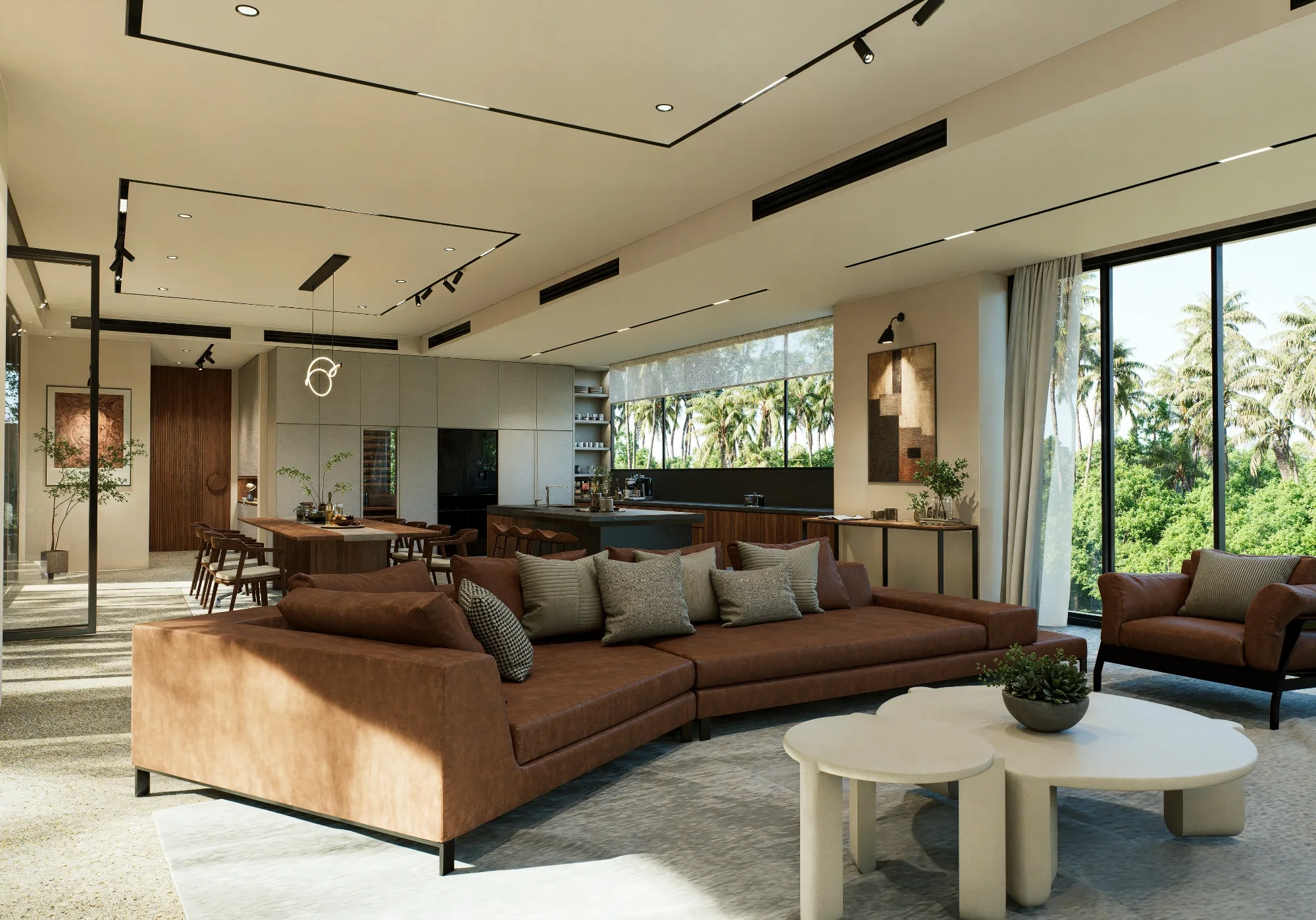
- immersive displays
- social engagement opportunities
The shopping environment itself becomes part of the product experience.
This broader shift is closely connected to growing interest in retail experience marketing strategies across multiple industries.
Customers Remember Experiences More Than Displays
The interesting thing about retail psychology is that people tend to remember how a store made them feel versus the actual products they saw inside of it.
An experience builds an emotional connection. That emotional response tends to hang around longer than traditional advertising alone.
Interactive product testing in select stores. Some use pop-up activations, live events or immersive digital experiences to drive engagement.
The goal isn’t always to sell there and then. Often the goal is to create more brand recall and customer loyalty over time.
That’s why many companies partner with experiential marketing companies when rethinking in-store engagement strategies.
Social Media Changed Retail Behavior
Social media heavily influenced how people interact with retail spaces.
Consumers now frequently photograph:
- store interiors
- product displays
- immersive activations
- branded installations
- limited-time experiences
The physical store is only part of the story, because visually interesting retail environments are naturally shareable online, creating a much larger footprint for your brand.
This trend gained importance, especially as younger audiences began to appreciate “shareable” experiences almost as much as the products themselves.
Many retailers are now intentionally designing experiences that are mindful of digital visibility.
Physical Stores Need Something Online Shopping Cannot Replicate
One problem for brick-and-mortar stores is that online stores already do convenience very well.
So brick and mortar locations often have to offer something else entirely.
That difference can be emotional engagement, sensory interaction or human connection.
People may go into stores because they want:
- to test products physically
- to explore curated environments
- to attend events
- to interact socially
- to experience a brand in person
This crossover between physical engagement and shopping behavior is one reason why experiential marketing for online stores is also becoming more common.
Physical interaction still matters psychologically so even digital brands are creating temporary pop-ups, live activations and immersive in-person events.
Experiential Retail Trends Continue Evolving
Retail experiences today are not at all like they were five years ago.
Current experiential retail trends are as follows:
- immersive pop-up stores
- interactive technology displays
- personalized shopping experiences
- live product customization
- augmented reality integration
- event-based retail spaces
- influencer-driven store activations
The merging of entertainment, technology and shopping is becoming a common sight in retail stores.
Stores are turning into destinations, rather than buying grounds.
Customers Want Authentic Interaction
Consumers today are savvy to an experience that feels forced, or that's all about the marketing.
Retail activations are most effective when they're not just about the sale, but about the audience.
Individuals tend to react better at these times:
- the experience feels interactive
- the environment encourages exploration
- staff interactions feel genuine
- the brand personality feels authentic
This softer, more experience-driven approach is a sign of how consumer expectations have evolved.
Customers want the engagement to be personal, not transactional.
Experiential Marketing Also Supports Brand Loyalty
Retail experiences can break or make the return of customers.
A memorable store visit can make:
- stronger emotional connection
- increased social sharing
- better product recall
- higher repeat visitation
- deeper brand familiarity
Not all visitors make purchases right away. But good experiences affect consumer behavior over time.
That wider approach to relationship-building is becoming more valuable to retailers competing in crowded markets.
Frequently Asked Questions
Why is experiential marketing for retail stores important?
Experiential marketing for retail stores to create interactive shopping environments. That drives customer engagement and brand connection.
How does experiential marketing for online stores work?
Experiential marketing for online stores is often through pop-up activations, live events and physical experiences. This creates opportunities for digital brands to meet customers face-to-face.
Final Thoughts
It’s no longer just about products and pricing for retailers to compete. Experiential marketing for retail stores is therefore gaining more ground in retail. When stores can provide an engaging and memorable experience, rather than merely a transaction, they often have strong customer relationships and high levels of customer loyalty.
In retail, the brands that will rise to the occasion of the shifting landscape are likely to be the ones that realize that people value experience over purchases.