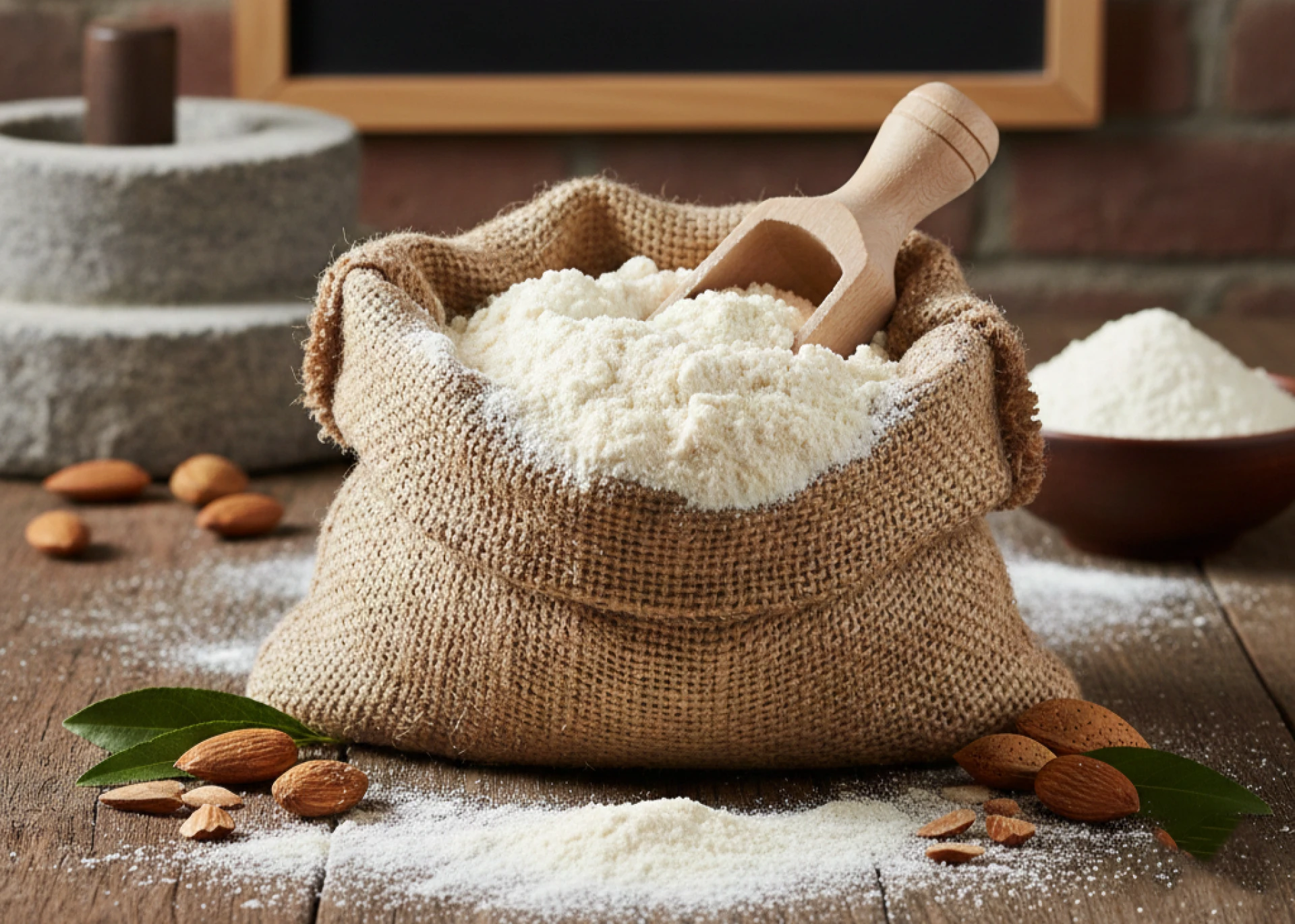
Almond flour has become the most popular ingredient in gluten-free cooking and baking. From cakes and cookies to bread and pancakes many people now prefer this flour over traditional wheat flour worldwide. The rising demand for almond flour in gluten-free cooking stems from its three main advantages which include health benefits and delicious taste and multiple uses.
Naturally Gluten-Free
The primary reason people use almond flour is because it contains no gluten because it belongs to the category of naturally gluten-free products. This flour is produced through the process of grinding whole almonds into a fine powder which excludes all grain-based materials. The product serves as a safe and ideal solution for individuals who have celiac disease or gluten intolerance or who need to stay gluten-free for health purposes. The product contains no gluten which differentiates it from standard flour because gluten triggers digestive issues for numerous individuals.
Healthier Than Regular Flour
Almond flour is often seen as a healthier alternative to wheat flour. The food contains protein, healthy fats, dietary fiber and vitamin E. The nutrients deliver heart health advantages while promoting sustained fullness and providing constant energy. People who practice low-carb or keto diets prefer this flour because it contains fewer carbohydrates.
Consistently managing the blood sugar levels, compared to wheat flour has resounding plusses as regards diabetes care.
Great Taste and Texture
The mild nutty flavor of almond flour makes it a popular ingredient for gluten-free recipes. The ingredient provides a sweet flavor that complements baked products. The gluten-free flour this flour produces moist soft textures which other gluten-free flours cannot achieve.
This flour provides baked goods with a moist, rich texture and by contrast, other gluten-free flours create dry and crumbly results. This ingredient has become a preferred choice for baking cookies and muffins and cakes and brownies.
Easy to Use in Many Recipes
Almond flour provides cooking options for different recipes. The ingredient can be used to create both sweet and salty dishes. The ingredient functions in various recipes which include pizza crusts, bread, pancakes and desserts. The ingredient cannot replace wheat flour at all times but it works well with other gluten-free flours and ingredients.
Both amateurs and kitchen professionals find this flour pleasurable to experiment with—always producing consistently delicious results.
Fits Modern Diet Trends
Almond flour fits perfectly into modern eating habits. The 21st century offers people multiple dietary options which include gluten-free diets, grain-free diets, paleo diets and keto-friendly diets. The product contains plant-based ingredients which undergo natural processing for the benefit of health-conscious customers.
Final Thoughts
The healthy natural gluten-free property of almond flour makes it suitable for use in gluten-free recipes while its delicious taste and simple preparation method increase its popularity. The ingredient enhances food texture while providing nutritional value to multiple contemporary dietary patterns. The smart and tasty choice of almond flour serves as a suitable flour alternative for people who need to avoid gluten for medical reasons or who want to find better flour options.