
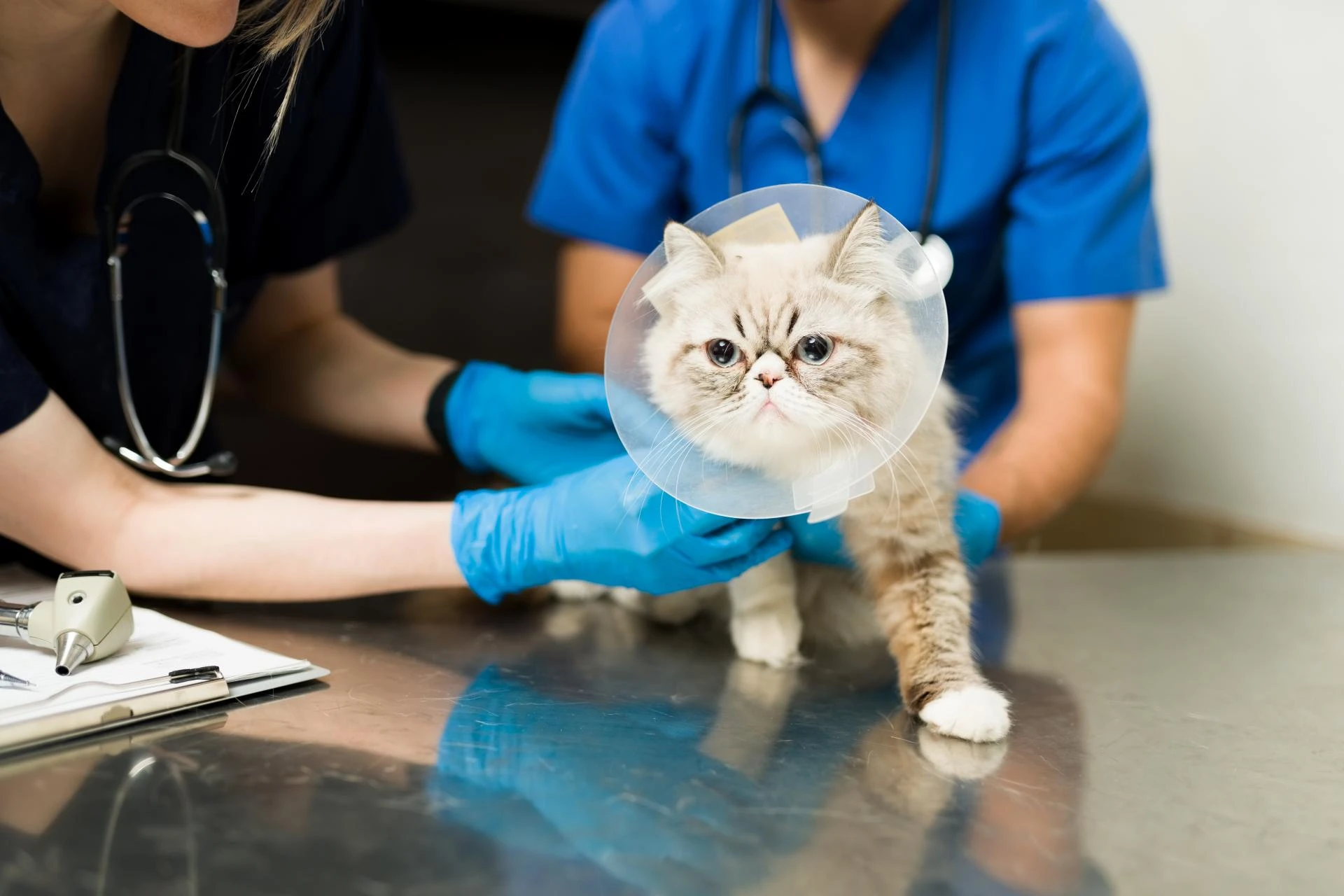
Imaging tests are crucial for understanding what is happening inside a cat’s body. A cat abdominal ultrasound has become a preferred tool for examining internal organs, especially when X-rays may not provide clear answers. Ultrasound allows veterinarians to evaluate organs like the liver, kidneys, bladder, and intestines with more detail, which can make a significant difference in early diagnosis and treatment.
Why Soft Tissues Need a Closer Look
X-rays show bones very well but often miss details in soft tissues. For conditions affecting organs such as the liver, pancreas, or spleen, X-rays can only give a rough outline. Ultrasound, however, creates detailed images that show organ texture, size, and even blood flow. This helps veterinarians detect issues such as fluid accumulation, inflammation, or small masses that may be invisible on X-rays.
Some cats develop liver or kidney problems that do not cause obvious symptoms until the condition becomes severe. By using ultrasound, vets can detect these issues early. For example, a small liver mass or an early kidney stone may be invisible on an X-ray, but an ultrasound can highlight it clearly. Early identification allows for faster treatment and better chances of recovery.
Spotting Problems Before Symptoms Appear
Many internal issues develop silently. Tumors, cysts, or early-stage organ disease may not show symptoms until they become severe. A cat's abdominal ultrasound can reveal these problems at an early stage, giving your pet a better chance at successful treatment. Early detection allows veterinarians to design treatment plans before the condition worsens.
Some common signs that might prompt a veterinarian to recommend an ultrasound include unexplained weight loss, vomiting, diarrhea, or changes in appetite. Even if symptoms seem mild, an ultrasound can detect small changes that indicate a more serious condition. Catching these issues early often means treatment can be simpler and less invasive.
Real-Time Monitoring of Organ Function
Unlike X-rays, ultrasound provides a live view of how organs are functioning. Vets can watch the bladder fill and empty, the intestines move, and blood flow through the liver and kidneys. This functional insight helps identify conditions that might appear normal in X-rays but cause serious health issues, such as partial obstructions or abnormal fluid circulation.
For instance, a cat with intermittent vomiting might have a blockage that X-rays do not clearly show. Ultrasound allows vets to see how food moves through the digestive tract and identify slow or blocked areas. This detailed observation helps create precise treatment plans and avoids unnecessary surgery.
Safe and Stress-Free Imaging
Ultrasound does not use radiation, making it safe for repeated scans. Cats of any age, including seniors and kittens, can undergo the procedure without unnecessary risk. Many cats respond well to ultrasound with minimal stress, and sedation is often not required. This makes it ideal for monitoring chronic conditions or checking recovery after treatment.
Repeated X-rays can be risky if radiation exposure adds up over time, especially in pets that require ongoing monitoring. Ultrasound avoids this issue entirely, providing a safe alternative for regular health checks. Stress-free imaging also helps cats feel more comfortable during veterinary visits.
Guiding Procedures With Precision
Ultrasound is not only diagnostic but also procedural. Veterinarians can use it to guide fluid sampling, biopsies, or cyst drainage safely. This precision reduces risks during procedures and often avoids the need for invasive surgery. Accurate guidance means better results and faster recovery for cats.
For example, if a cat has fluid around its organs, an ultrasound can guide a needle safely to remove a sample for testing. Without ultrasound, the procedure would be riskier and less accurate. This technique allows vets to provide effective treatment with minimal discomfort for the pet.
Detecting Subtle Changes That X-Rays Miss
Some medical conditions are hard to detect because they do not alter the shape of organs enough to show on X-rays. Ultrasound can detect small changes in organ structure, tissue density, or internal inflammation. For cats prone to liver disease, kidney problems, or intestinal blockages, this level of detail can be lifesaving.
Ultrasound can also reveal early signs of tumors or cysts that are smaller than a few millimeters. These early detections often allow veterinarians to treat the problem before it grows or spreads. Owners gain peace of mind knowing their pets are being monitored closely.
Combining Ultrasound With X-Rays
While ultrasound excels with soft tissues, X-rays are still valuable for bones, gas patterns, or dense blockages. Many veterinarians use both methods together for a complete assessment. X-rays and ultrasound complement each other, providing a full picture of the cat’s health and helping ensure no issue goes unnoticed.
For instance, X-rays can quickly detect fractures or swallowed objects, while an ultrasound can evaluate surrounding organs for secondary damage. Using both tools strategically ensures a thorough and accurate diagnosis.
Choosing Ultrasound for Ongoing Monitoring
Some cats need repeated imaging due to chronic conditions such as kidney disease, liver problems, or heart-related fluid buildup. Ultrasound allows vets to monitor organ function over time safely. Regular monitoring helps detect changes early, adjust treatment plans, and maintain a better quality of life for the cat.
Wind Up:
A cat's abdominal ultrasound offers detailed, real-time, and safe imaging that often surpasses X-rays for soft tissue conditions. It improves early detection, helps monitor organ function, and guides precise treatments. Pet owners seeking expert care search for “dog ultrasound near me” for related imaging services in other pets. Using ultrasound alongside professional veterinary guidance ensures your cat receives the best possible care.
Book a consultation with your veterinarian today to see if a cat abdominal ultrasound is right for your pet. Early imaging can reveal hidden health issues and support faster, safer treatment plans.