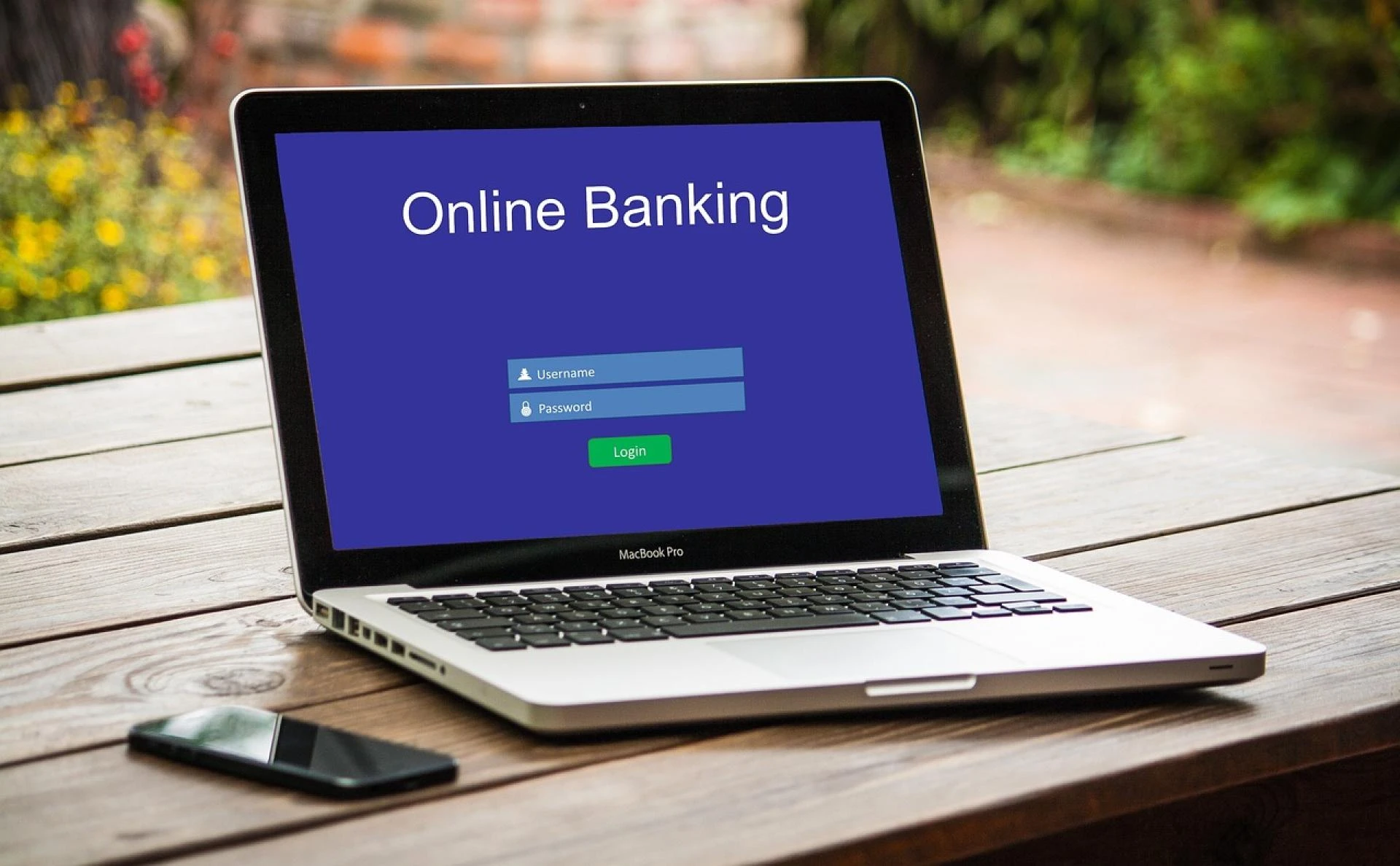
Remember when passwords used to be enough to protect your bank account? Well, not anymore. Hackers have gotten good at stealing personal information, and they don’t need to physically steal your credit card to cause trouble. With online banking, mobile payment apps, and digital wallets everywhere, it’s easier than ever for scammers to sneak into accounts. If someone gets hold of your login details, they can steal your money, open accounts in your name, or even lock you out of your own bank app. That’s why banks are stepping up their security game and making sure only you can access your money.
Why Passwords Are Just Not Enough
How many times have you reused the same password for multiple accounts? Probably more times than you should. Hackers know this, and that’s how they break into accounts so easily. They use tricks like phishing emails and leaked data to steal passwords. Some banks used to rely on security questions (like “What’s your first pet’s name?”), but that doesn’t work anymore because a lot of this information can be found online. To stay ahead of scammers, banks are now using better ways to confirm that you’re actually you, and that’s why new security methods are important.
How Open Banking Is Helping Stop Fraud
Since people use multiple financial apps and services, banks need a secure way to verify identities across different platforms. Instead of having customers enter passwords over and over again, open banking API lets banks and financial apps talk to each other securely. When someone logs into an app or tries to make a payment, the bank can instantly verify their identity in the background. This not only makes transactions faster but also helps prevent fraud by ensuring only the real account owner is making the transaction.
Why Fingerprints and Face Scans Are the Future
Forget typing in passwords. Your body is now your password! Many banks now let people log in with their fingerprints, facial recognition, or even voice authentication. These are called biometric security measures, and they’re much harder to fake than a password. Have you ever tried unlocking your phone with someone else’s face? Exactly. Some banks even use retina scans or palm vein scanning, which sounds like something out of a sci-fi movie but is actually becoming real. These high-tech solutions make banking more secure and way more convenient since you don’t have to remember long complicated passwords.
Keeping an Eye on Suspicious Activity
Banks aren’t just verifying your identity when you log in. They’re watching out for weird behavior all the time. If you suddenly try to log in from another country or attempt a huge transaction that doesn’t match your usual spending, banks can put a temporary hold on your account and ask for extra verification. This is why sometimes you might get a text or an email from your bank asking, “Hey, was this really you?” It may seem annoying, but it’s actually a good thing because it stops scammers before they can do any damage.
Bank Security Is Changing, And That’s a Good Thing
The way you protect your money is evolving fast. Passwords are becoming outdated, and banks are looking for smarter, faster, and more foolproof ways to keep your account safe. Whether it’s using your fingerprint, scanning your face, or checking your location, security is getting tighter, and that means less stress and more peace of mind for you. So the next time your bank asks for extra verification, just know it’s working hard to keep the bad guys out and your money exactly where it belongs…in your hands!