Hiring is supposed to be exciting. You find the right candidate, extend an offer, and move forward. But in reality, the process often gets stuck in small but frustrating delays.
Offer letters sit in inboxes waiting to be printed. Candidates take time to sign and scan. Documents go missing in long email threads. And somewhere in between, there is always a small worry. Is this signature even authentic?
For HR teams handling multiple roles, this becomes a daily struggle. It slows down hiring, affects candidate experience, and creates unnecessary pressure on already busy teams.
This is exactly why more HR teams are moving towards digital offer letters and verified signatures. It is not just about going paperless. It is about making hiring faster, smoother, and more reliable.
Let’s break down why this shift is happening and what it actually means for HR teams today.
The Problem with Traditional Offer Letters
On paper, the traditional process seems simple. Draft the offer letter, send it to the candidate, get it signed, and file it.
But in practice, it rarely goes that smoothly.
Think about the steps involved:
- Drafting and formatting the document
- Sending it via email
- Waiting for the candidate to print, sign, scan, and send it back
- Following up if there is a delay
- Storing the document safely for future use
Each step introduces friction. Candidates may delay signing because they are busy or unsure. Some may even drop off if the process feels slow or outdated. HR teams end up chasing responses instead of focusing on meaningful conversations.
There is also the issue of document tracking. With multiple versions floating around, it becomes difficult to know which one is final. And when everything is stored in folders and email threads, retrieving documents later can be time-consuming.
Then comes the biggest concern. Signature authenticity.
A scanned signature does not give you complete confidence. There is no way to verify who actually signed it or when it was signed. In today’s world, that level of uncertainty is not ideal.
What Are Digital Offer Letters and Verified Signatures?
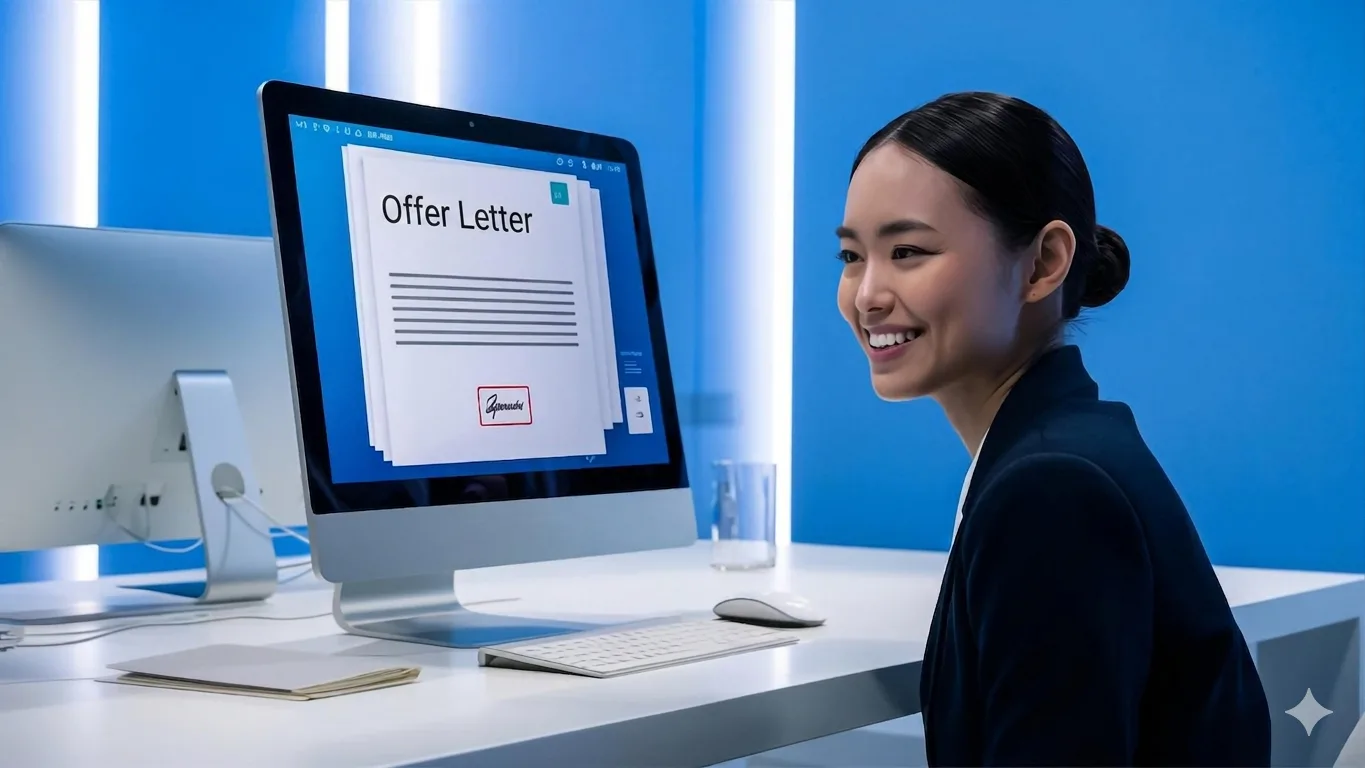
Digital offer letters are simply offer letters created, shared, and signed online. No printing, no scanning, no manual handling. Verified signatures, often powered by e-signature tools like MySyn, add an extra layer of trust. They ensure that the person signing the document is who they claim to be.
These signatures come with built-in security features like:
- Timestamped signing records
- IP address tracking
- Identity verification
- Tamper-proof documents
So instead of just receiving a signed document, you get a complete audit trail.
That changes everything for HR teams.
Why HR Teams Are Making the Switch
1. Faster Hiring and Offer Acceptance
Speed matters in hiring. Good candidates do not stay available for long. With digital offer letters, you can send an offer instantly. Candidates can review and sign it from their phone or laptop within minutes. There is no need to print or scan anything. This removes delays and helps you close candidates faster. For HR teams, this means fewer follow-ups and quicker conversions from offer to onboarding.
2. Better Candidate Experience
First impressions matter. The hiring process is often a candidate’s first real interaction with your company. A smooth, digital experience signals that your organization is modern and efficient. Imagine receiving an offer that you can review and sign in just a few clicks. No extra steps, no confusion. It feels simple, professional, and respectful of the candidate’s time. This small improvement can make a big difference in how candidates perceive your company.
3. Stronger Security and Trust
One of the biggest advantages of verified signatures is security. Traditional signatures can be copied or misused. There is very little control once a document is shared.
With verified e-signatures, every action is recorded. You know exactly when the document was opened, signed, and completed. If there is ever a dispute, you have clear proof. This is especially important for HR teams dealing with sensitive employee information and legal documents.
4. Easy Tracking and Document Management
Managing offer letters manually can quickly become messy. With digital systems, everything is organized in one place. You can:
- Track which offers are sent, viewed, or signed
- Set reminders for pending signatures
- Access documents instantly when needed
No more digging through emails or folders. This level of visibility helps HR teams stay in control and reduces the chances of errors.
5. Reduced Paperwork and Costs
Printing, scanning, and storing documents may seem small, but over time, it adds up.
Digital offer letters eliminate these steps completely. You save on paper, printing costs, and physical storage. More importantly, you save time. And for growing companies, that efficiency becomes critical.
6. Legal Validity and Compliance
A common question HR teams have is whether digital signatures are legally valid.
In most countries, including India, e-signatures are legally recognized under laws like the Information Technology Act. Globally, frameworks like the ESIGN Act in the United States and eIDAS in Europe also support digital signatures. This means digital offer letters with verified signatures are not just convenient. They are legally enforceable.
As long as you use a trusted platform and follow proper processes, you are fully compliant.
How Digital Offer Letters Improve HR Workflows
The impact goes beyond just sending offer letters. When you adopt digital offer letters, your entire workflow becomes more efficient. You can integrate offer management with:
- Applicant tracking systems
- HR management software
- Onboarding tools
This creates a seamless hiring journey. From candidate selection to onboarding, everything flows smoothly without unnecessary delays. HR teams can spend less time on repetitive tasks and more time on strategic work like employee engagement and retention.
Common Concerns HR Teams Have
Even though the benefits are clear, some HR teams hesitate to make the switch.
Let’s address a few common concerns.
“What if candidates are not comfortable with digital signing?”
Most candidates today are familiar with digital tools. In fact, many prefer them because they are faster and easier.
“Is it secure enough?”
Verified e-signature platforms are designed with strong security measures. They are often more secure than traditional methods.
“Will it be difficult to implement?”
Modern tools are built to be user-friendly. You do not need technical expertise to get started. Once HR teams try it, they rarely go back.
Choosing the Right E-Signature Solution
Not all e-signature tools are the same. When selecting a solution, HR teams should look for:
- Ease of use for both HR and candidates
- Strong security and verification features
- Compliance with legal standards
- Integration with existing HR tools
- Reliable customer support
A solution like MySyn is designed specifically to simplify document signing while maintaining high levels of security and compliance. The goal is not just to digitize the process, but to improve it.
The Future of HR Is Digital
Hiring is evolving. Candidates expect faster responses, smoother processes, and better experiences. At the same time, HR teams are under pressure to do more with less.
Digital offer letters and verified signatures are not just a trend. They are becoming a standard. They remove friction, reduce risk, and help HR teams work smarter. And once you experience the difference, it is hard to imagine going back to the old way.
Conclusion:
Sometimes, the biggest improvements come from fixing small but critical parts of a process. Offer letters may seem like a small step in hiring, but they play a crucial role.
By moving to digital offer letters and verified signatures, HR teams can:
- Speed up hiring
- Improve candidate experience
- Increase security and trust
- Simplify document management
It is a simple shift, but the impact is significant. If your hiring process still relies on manual steps, this might be the right time to rethink it. Because in today’s hiring landscape, speed, trust, and experience are everything.