Healthcare education is no longer just about textbooks, clinical procedures, and theoretical knowledge. The entire industry is undergoing a shift toward patient-centric care, and education systems are being forced to evolve accordingly. Students who are trained only to follow protocols without understanding patient needs are becoming outdated. Today, healthcare professionals are expected to combine technical expertise with empathy, communication, and real-time decision-making.
Bangalore, as a rapidly growing healthcare hub, reflects this transformation clearly. Hospitals and healthcare institutions are demanding professionals who can not only perform clinical tasks but also understand patient behavior, emotional needs, and ethical considerations. This shift is pushing educational institutions to rethink how they train future healthcare professionals.
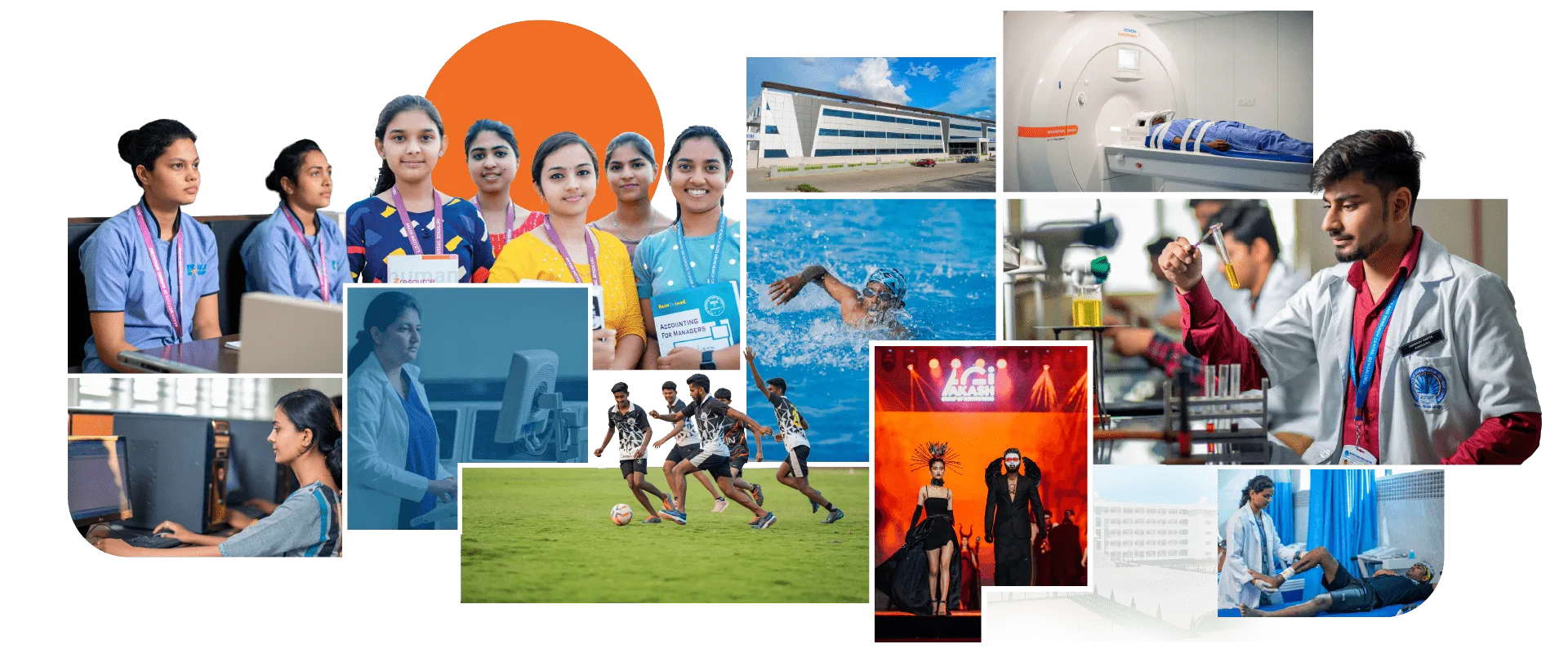
In this changing landscape, best colleges in bangalore are beginning to adopt more holistic approaches to healthcare education. Akash Group of Institutions recognizes that producing competent healthcare professionals requires more than just academic training. It requires building individuals who can handle real human situations with confidence and responsibility.
What Patient-Centric Learning Actually Means
- Focus on Holistic Care
Students are trained to consider not just the illness but the overall well-being of the patient. - Improved Communication Skills
Interacting with patients and their families requires clarity, empathy, and patience. - Ethical Decision-Making
Healthcare professionals often face complex situations where ethical judgment is critical. - Real-Time Problem Solving
Clinical environments are unpredictable, and students must learn to adapt quickly. - Emotional Intelligence Development
Understanding patient emotions plays a major role in delivering effective care.
This shift is especially relevant for students exploring bsc nursing colleges in bangalore, where the role goes far beyond basic medical assistance. Nursing professionals are often the primary point of contact for patients, making their ability to provide compassionate and efficient care extremely important.
The Gap in Traditional Healthcare Education
Here’s the hard truth—many institutions still focus heavily on theory and technical training while ignoring the human side of healthcare. Students may know procedures perfectly but struggle when faced with real patients. They lack confidence, communication skills, and the ability to handle emotionally charged situations.
This gap becomes obvious during clinical practice. Students who are not trained in patient interaction often feel overwhelmed, make avoidable mistakes, or fail to build trust with patients. In healthcare, this is not just a skill issue—it directly impacts patient outcomes.
Akash Group of Institutions addresses this gap by integrating patient-centric learning into its programs. Students are exposed to real-world scenarios, guided interactions, and practical training that prepares them for actual healthcare environments. This ensures that they are not just technically capable but also emotionally and professionally prepared.
Why This Approach Matters More Than Ever
Healthcare is one of the few fields where technical skills alone are not enough. A highly skilled professional who lacks empathy can still fail in delivering quality care. Patients expect to be heard, understood, and treated with respect—not just diagnosed and treated mechanically.
Institutions that fail to incorporate this understanding into their curriculum are producing incomplete professionals. On the other hand, those that prioritize patient-centric learning are creating individuals who can truly make a difference.
Key Benefits of Patient-Centric Training
- Builds stronger patient trust and satisfaction
- Reduces errors caused by miscommunication
- Enhances teamwork within healthcare settings
- Prepares students for high-pressure environments
- Improves overall quality of care
The Reality Students Must Accept
Students entering healthcare cannot afford to treat their education casually. This is not a field where average effort is acceptable. Lives are involved, and the expectations are high. Being technically sound is just the baseline—what sets professionals apart is how they handle real human situations.
Those who ignore the importance of patient-centric learning will struggle in clinical environments. They may have degrees, but they will lack the confidence and competence required to perform effectively.
The Bottom Line
Healthcare education is evolving, and patient-centric learning is at the core of this transformation. It ensures that students are not just trained professionals but responsible caregivers who understand the human side of medicine.
Akash Group of Institutions reflects this modern approach by preparing students to meet both the technical and emotional demands of healthcare. By focusing on holistic development, it ensures that graduates are ready to step into real-world environments with confidence, competence, and compassion.