Food and beverage manufacturers are entering a period where consumers expect more from everyday products. Taste remains essential, but shoppers are also paying greater attention to sugar content, calorie intake, ingredient choices, and overall nutritional positioning.
This has encouraged brands to explore alternatives that can reduce conventional sugar without completely changing the eating experience.
One ingredient receiving growing attention is allulose.
A Different Approach to Sugar Reduction
Traditional sugar has always served multiple purposes in food formulation. It provides sweetness, but it can also influence texture, moisture, browning, mouthfeel, and product structure.
This makes sugar reduction more complicated than simply removing sucrose from a recipe.
An allulose sweetener can provide approximately 70% of the sweetness of sucrose while contributing around 0.4 calories per gram. Allupure™ Allulose is naturally derived from corn starch and is designed for applications where manufacturers want to reduce sugar while retaining useful formulation characteristics.
For brands exploring a low-calorie sugar alternative, this combination of sweetness and low calorie contribution can be particularly useful.
Why Natural-Origin Ingredients Are Getting Attention
Ingredient positioning has become increasingly important for food brands. Consumers often look beyond nutritional numbers and want products made with ingredients that align with their expectations for simpler and more transparent formulations.
A natural sweetener allulose can fit into this conversation because allulose occurs naturally in small quantities in foods such as figs, raisins, and wheat, while commercial Allupure™ Allulose is derived from corn starch.
The naturally occurring nature of allulose has also contributed to interest in natural allulose sweetener options for manufacturers developing reduced-sugar foods and beverages.
However, a natural-origin ingredient still needs to be evaluated according to its role in the finished product. Taste, processing, stability, texture, and regulatory requirements all matter.
Clean-Label Thinking in Product Development
Clean-label formulation is about more than using a single ingredient. It involves looking at the complete ingredient system and considering what consumers expect from the finished product.
A clean-label sweetener can become part of a formulation strategy that focuses on sugar reduction while maintaining a familiar product experience.
Allulose has a clean, sugar-like taste and provides functionality beyond sweetness. The Allupure™ product information highlights high solubility, heat stability, and browning properties for food applications.
For manufacturers, this can make allulose relevant to products where taste and functionality need to work together.
Is Allulose the Same as a Zero-Calorie Sweetener?
The term zero-calorie sweetener is commonly used when consumers search for very low-calorie alternatives to sugar. However, technically, allulose contributes approximately 0.4 calories per gram rather than literally containing zero calories.
This distinction is important for responsible product development and consumer communication.
Despite its small calorie contribution, the difference from conventional sucrose is substantial. This allows manufacturers to explore formulations with significantly lower calorie contribution from sweetening ingredients.
Where Can Allulose Be Used?
The versatility of allulose is one of its important advantages.
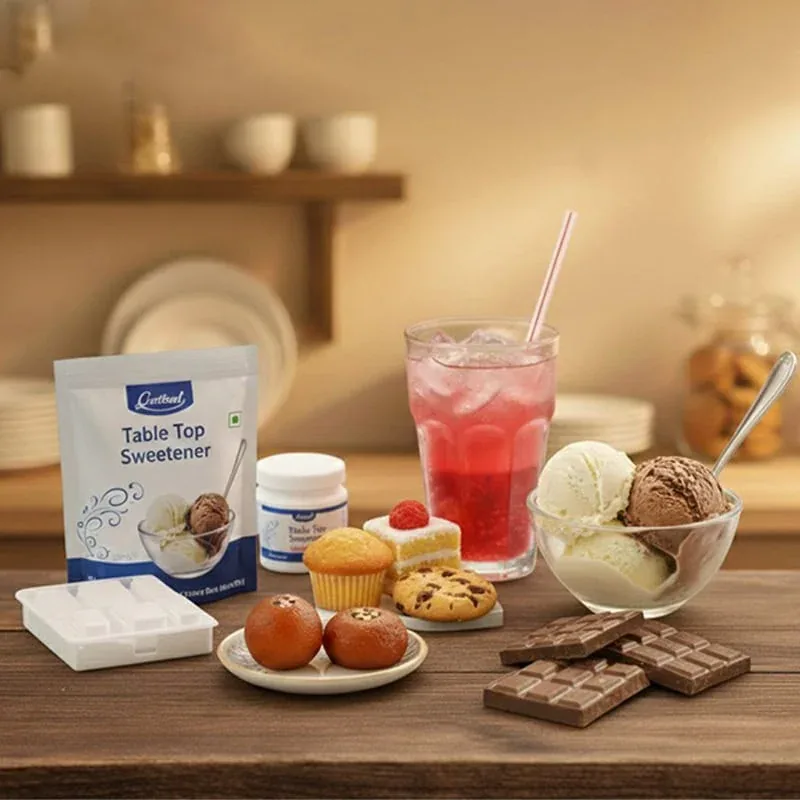
It can be evaluated in:
- Beverages
- Bakery products
- Dairy products
- Frozen desserts
- Confectionery
- Tabletop sweeteners
- Functional foods
- Nutrition products
In bakery, allulose can support browning, moisture retention, and texture. In beverages, its high solubility can support liquid formulations. In frozen desserts, it can contribute to freezing-point effects and smooth texture.
This broad application range allows manufacturers to consider allulose across different product categories rather than limiting it to a single use.
Building Products Around a Natural Sugar Substitute
A natural sugar substitute needs to do more than deliver sweetness. It should fit the technical needs of the formulation and support the product's intended sensory profile.
Allulose can be particularly interesting where the manufacturer wants sugar-like functionality alongside a much lower calorie contribution.
For example, replacing part of the conventional sugar in a baked product may require adjustments to compensate for changes in sweetness and bulk. Likewise, beverage formulations may require careful consideration of sweetness intensity and the interaction with other ingredients.
Application testing is therefore an important part of successful product development.
Moving Toward Natural Sugar Replacement Strategies
Consumers are not all looking for the same thing. Some want lower calories, some want less sugar, and others are interested in naturally positioned ingredients.
For manufacturers, this creates an opportunity to develop products around a broader natural sugar replacement strategy instead of relying on a single nutritional claim.
Allulose can form one part of that strategy because it combines a sugar-like taste with low calorie contribution and useful processing characteristics.
The Future of Sugar-Reduced Formulation
The next generation of food products will likely focus on balance rather than a simple sugar-versus-sweetener comparison.
Brands need to think about taste, texture, functionality, ingredient positioning, nutrition, and consumer expectations together.
Allulose gives product developers another tool for achieving that balance. Its naturally derived origin, approximately 70% sweetness compared with sucrose, low calorie contribution, and application versatility make it a useful ingredient to evaluate during sugar-reduction projects.
Conclusion
The growing interest in allulose sweetener reflects a larger change in food formulation. Manufacturers are looking for ways to reduce conventional sugar while maintaining the qualities that make products enjoyable.
From clean-label positioning to low-calorie formulation, allulose can support a wide variety of product-development goals.
For brands considering a natural sugar substitute, the most effective approach is to evaluate allulose within the actual food application and determine how it performs in relation to sweetness, texture, processing, and the finished product's nutritional profile.