
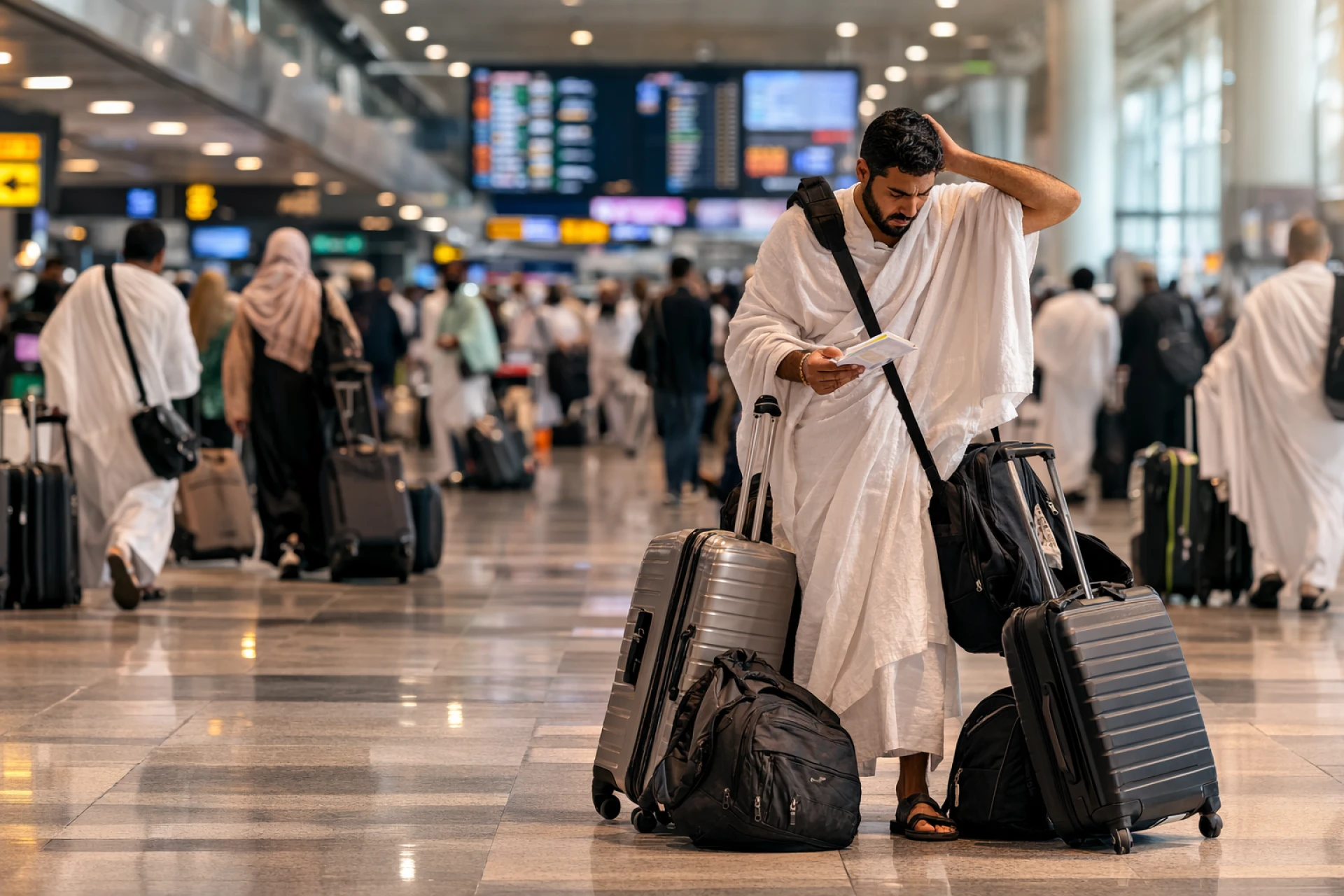
We all love to travel, explore new places and create lifelong memories. With the increase in demand for travel, there is an ongoing trend embraced by many travellers: DO IT YOURSELF.
Travellers book flights independently, reserve hotels separately, obtain visas online and organise transport and other things on arrival. For leisure travel, this technique can work well, but for spiritually profound journeys like Hajj and Umrah, it can create chaos.
Umrah is not a leisure trip; it is a sacred journey of a lifetime. DIY Umrah planning can lead to confusion, stress, and complications that can weaken your spiritual focus and ruin your Umrah experience.
Umrah itself is simple, and the rituals are easy to perform. But the logistics of the pilgrimage are not always simple, especially in peak seasons.
In this blog, we will explore why first-time pilgrims should avoid DIY Umrah planning.
Umrah Is Spiritual — But Logistically Complex
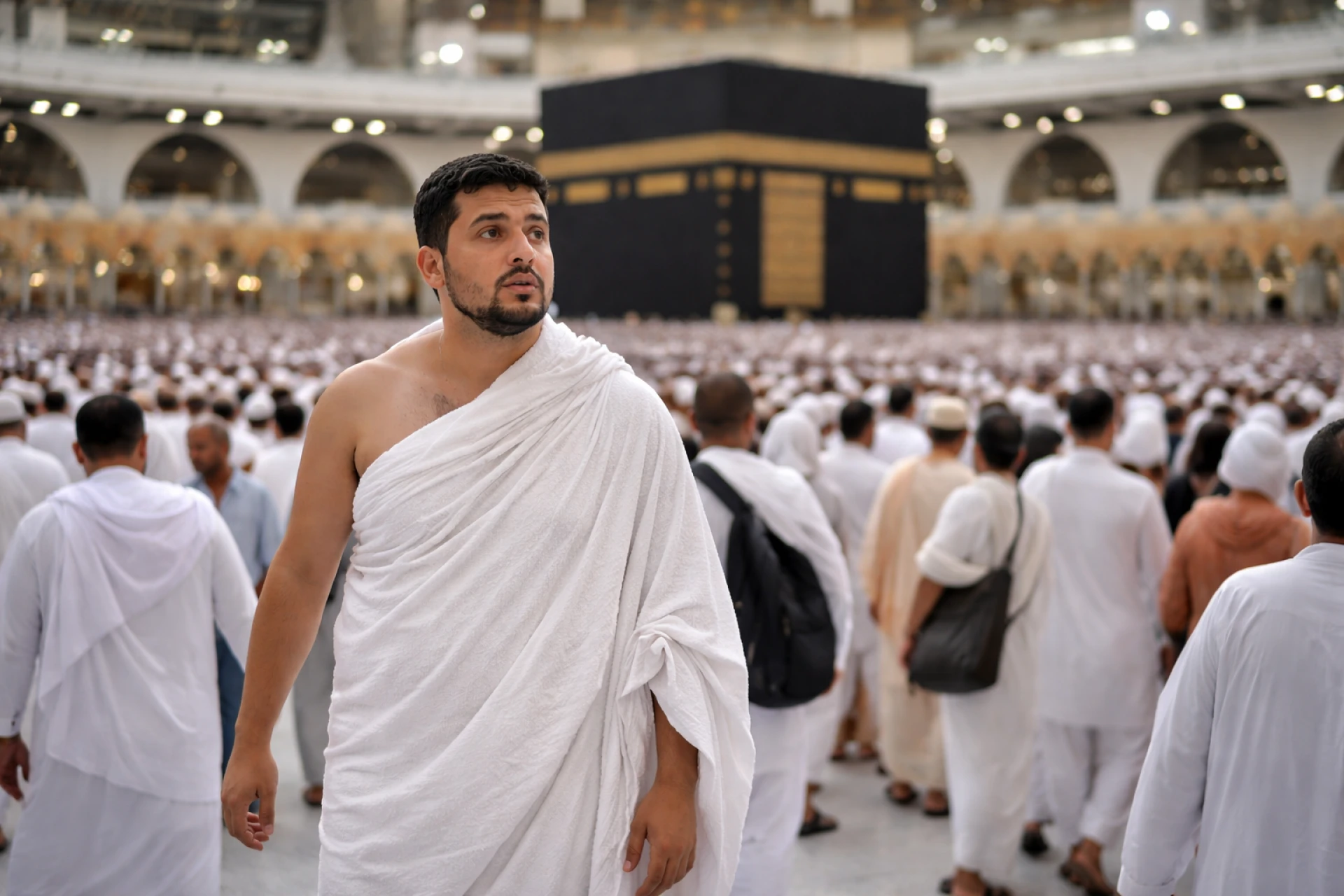
The rituals of Umrah, like Tawaf and Sa’i may not appear complex on paper, but managing other things like:
- Flights into Jeddah or Madinah
- Hotel proximity to Masjid al-Haram
- Visa regulations
- Ground transfers
- Peak prayer congestion
- Lift waiting times in high-rise hotels
All these require experience and knowledge.
Pilgrim embarking on the Umrah journey for the first tme already has emotional anticipation, spiritual preparation and ritual learning to manage. Adding logistical worries on top can increase mental strain.
When stress increases, presence decreases, and presence is the core of the Umrah pilgrimage.
The “Distance on Google Maps” Trap
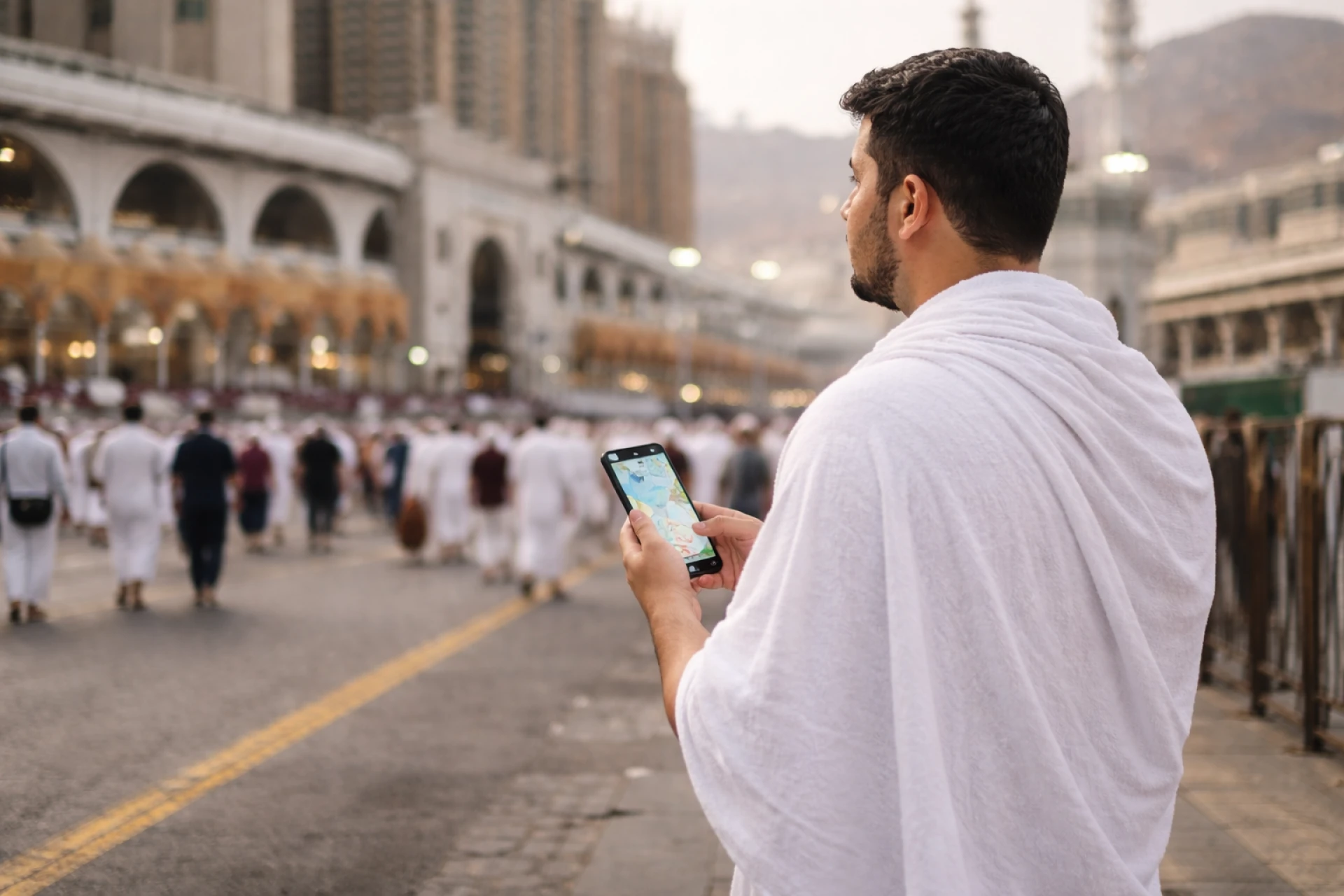
One of the biggest DIY Umrah planning mistakes pilgrims make is assuming that a hotel 500 metres from the Haram is close enough, like easy walking distance. On paper, the distance looks manageable but in reality:
- It may be uphill.
- It may require crossing congested roads.
- It may involve 15–20 minutes of lift waiting during peak hours.
- It may feel significantly longer after Tawaf and Sa’i.
Experienced travel operators and seasoned pilgrims understand these challenges and details; first-time pilgrims often don’t. The difference between a smooth 5-minute walk and an exhausting 20-minute return trip can change your entire daily rhythm.
Peak Season Realities Are Underestimated
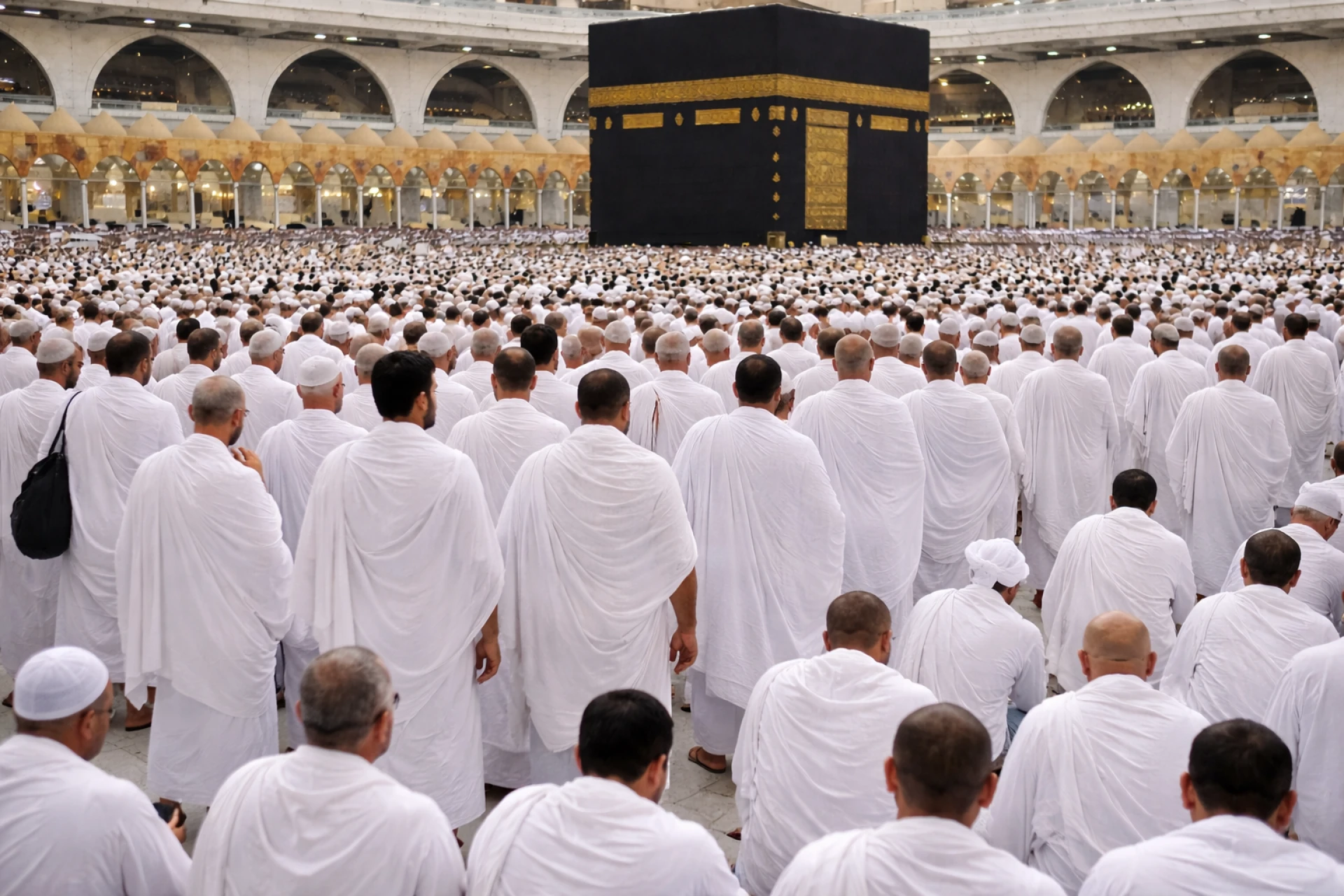
Umrah experience in peak season is completely different from Umrah in quieter months. Ramadan, school holidays, and winter are peak seasons for Umrah and can transform the Umrah experience significantly.
- Crowds increase dramatically.
- Hotel occupancy reaches maximum capacity.
- Transport slows down.
- Prayer areas fill quickly.
DIY planners often rely on off-season travel advice found online, not real-time seasonal understanding. First-time pilgrims may not realise how drastically the environment changes during high-density periods.
Experience allows operators to anticipate and adjust for these realities. Without that experience, pilgrims are left reacting rather than preparing.
Visa and Documentation Confusion
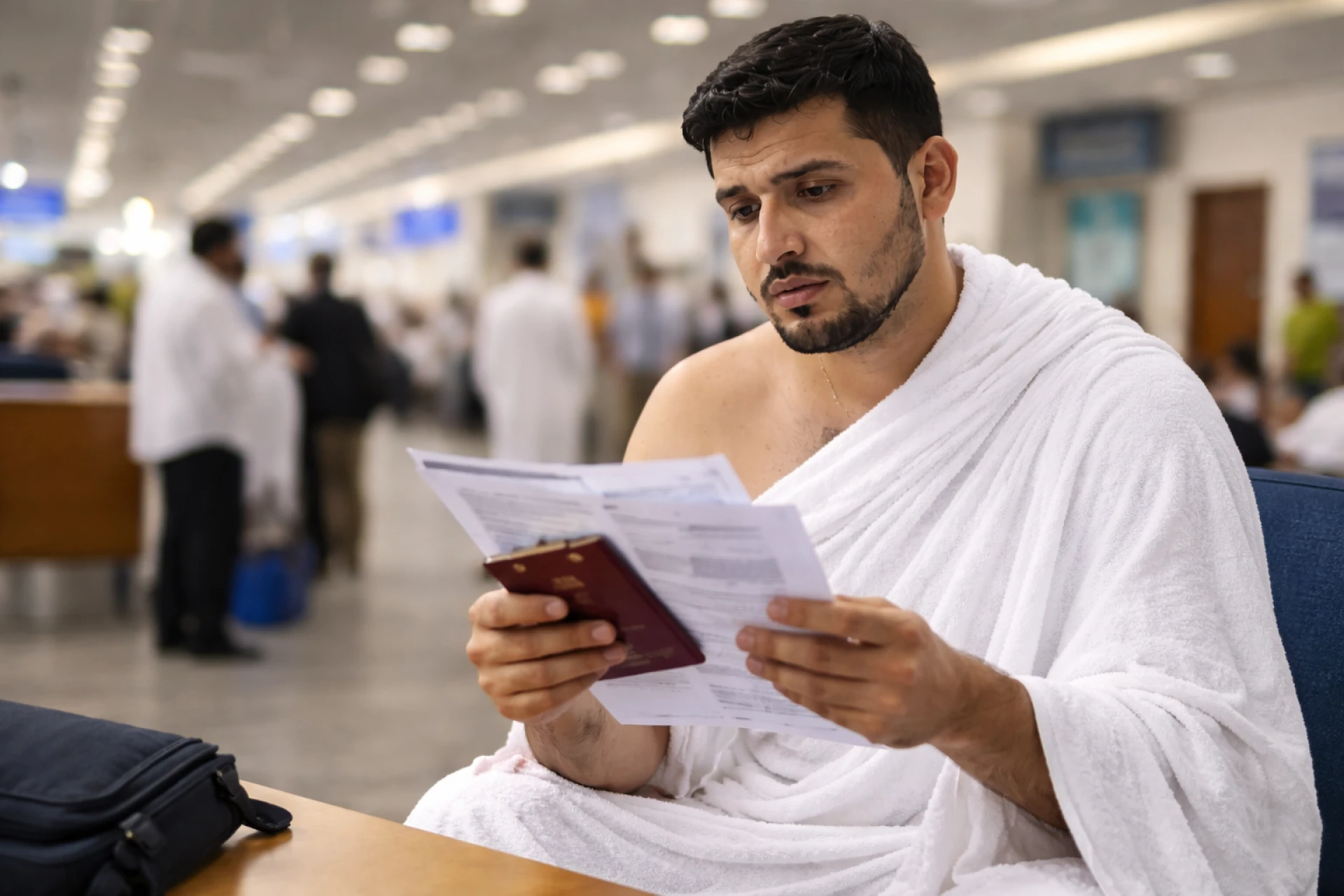
The Ministry of Hajj and Umrah have modernised the Saudi visa process with many changes in rules and regulations. Entry rules, insurance requirements, and documentation accuracy; these details matter.
Mistakes in documentation do not just cause inconvenience; they can delay travel entirely. For a first-time pilgrim who has emotionally prepared for months, unexpected visa complications can be devastating.
Professional operators monitor regulatory updates and guide pilgrims step-by-step, reducing uncertainty.
Hidden Costs of “Cheaper” DIY Packages

At the start, DIY Umrah planning often appears to be cheaper compared to other specific Umrah packages. But only the experienced pilgrims know that DIY planning accumulates hidden costs like:
- Airport taxi surcharges
- Unexpected hotel taxes
- Higher peak-season room pricing
- Last-minute transport arrangements
- Flight schedule changes
When booked separately, these elements can become fragmented and more expensive.
Structured packages often provide clarity and bundled value that reduces financial surprises. Financial uncertainty is one of the fastest ways to disturb spiritual calm.
Emotional Overload Is Real for First-Timers
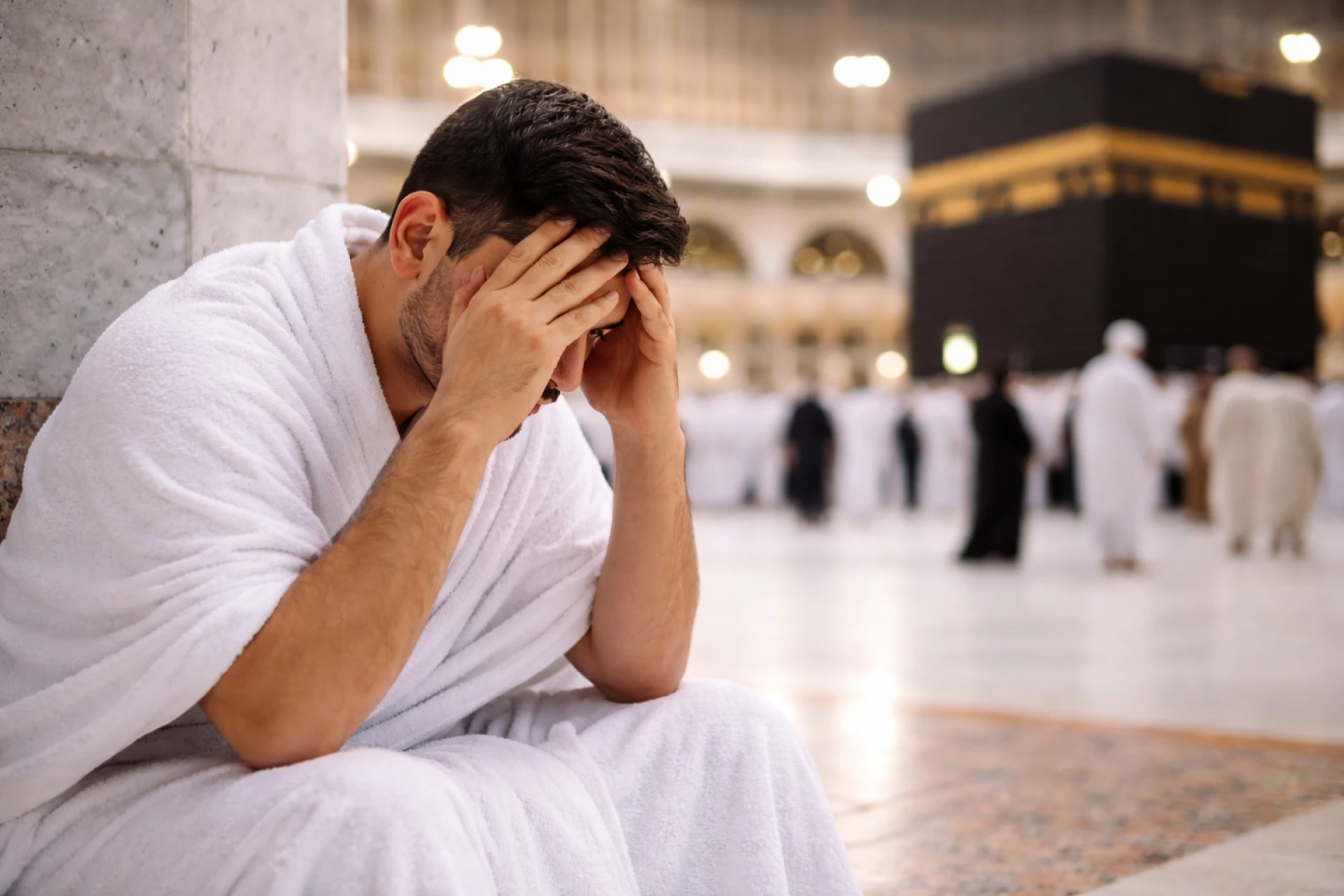
For first-time pilgrims, the first glimpse of the Ka‘bah in Masjid al-Haram is a moment that stays etched in the heart forever. Every pilgrim wants their mind to be clear, free from worries and not distracted by:
- Transport confirmation
- Hotel check-in
- Ziyarah
- Transfers and shuttle services
First-time pilgrims need mental space to absorb the sacred environment. DIY planning often consumes that mental space.
The Importance of Structured Guidance

For seasoned pilgrims, DIY Umrah planning may feel manageable, but for first-time pilgrims, structured guidance and planning provide confidence.
- Clear itineraries.
- Pre-arranged transfers.
- Hotel proximity awareness.
- Guided Ziyarah coordination.
- Transparent pricing.
All these remove guesswork and provide peace of mind.
Specialist Umrah operators such as Itimaar focus specifically on Umrah journeys, understanding both logistical detail and emotional sensitivity. Rather than treating Umrah like a standard holiday booking, the emphasis is on preparation that protects focus and reduces preventable stress.
DIY Can Shift Focus From Worship to Problem-Solving
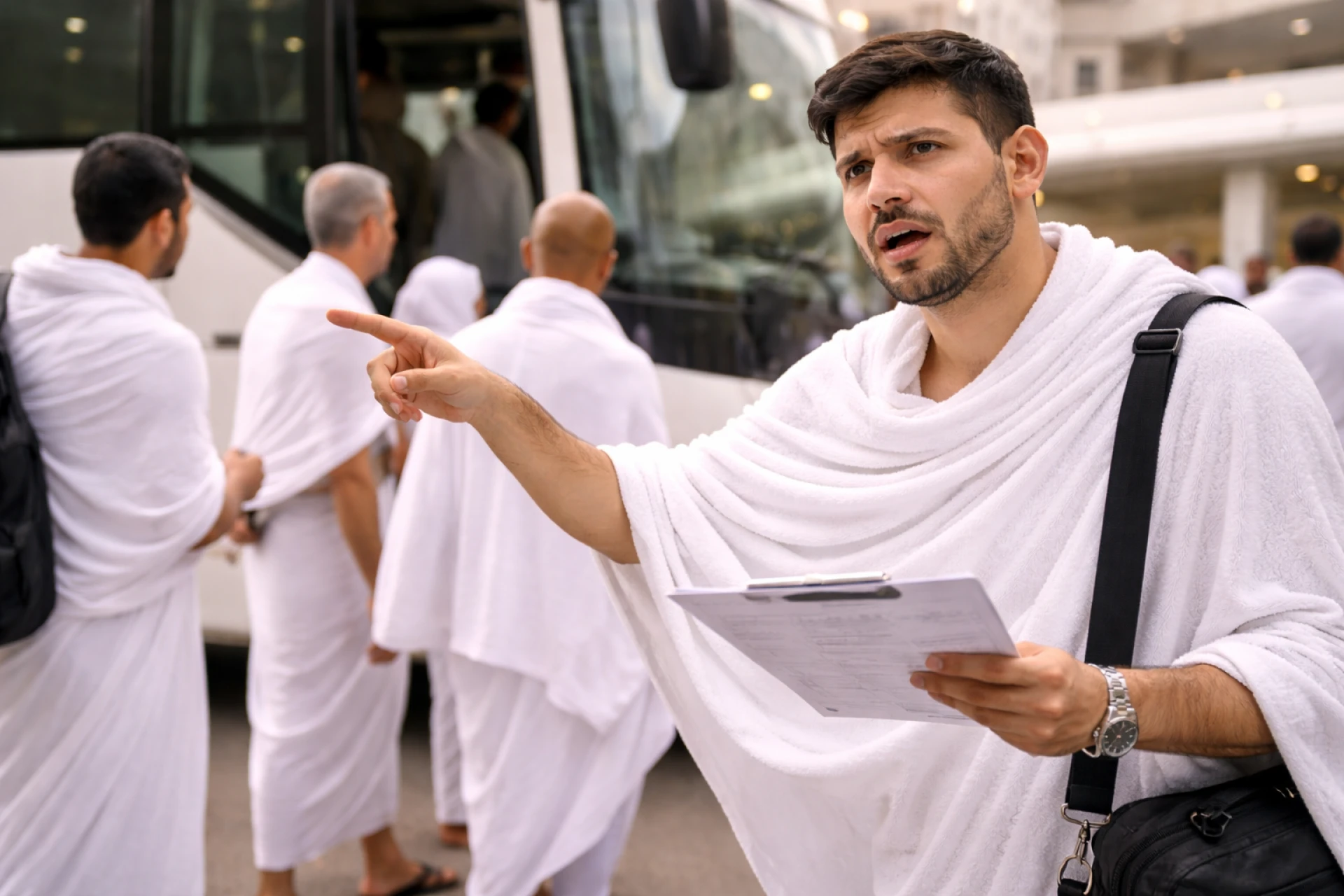
The most subtle issue with DIY planning is this:
You become the travel manager instead of the pilgrim.
- You monitor bookings.
- You confirm drivers.
- You resolve issues.
- You coordinate timing.
While others focus on ibadah, you may be handling logistics.
For first-timers, this can create emotional fatigue before the spiritual work even begins.
Final Wordings: Wisdom Over Experimentation
There is nothing wrong with independent travel. But first-time Umrah is not the place to experiment.
With sacred journeys, wisdom lies in preparation. Structure allows surrender. Clarity allows presence. And presence allows transformation.
If it is your first Umrah, consider whether saving a small amount of money is worth the potential stress of managing every moving part alone.