
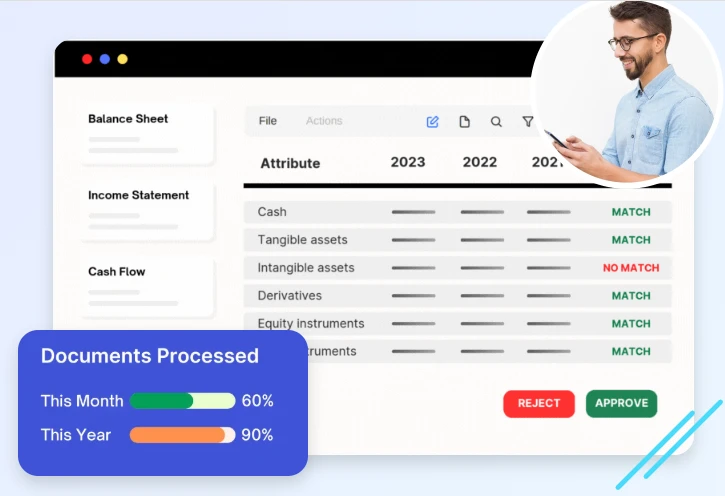
Finance teams carry more responsibilities today than they did a few years ago. You deal with higher data volumes, shorter reporting cycles, and increased expectations from leadership that want answers more quickly than before. Yet many teams still rely on routines built around spreadsheets, long checklists, and back-and-forth corrections. This slows progress even when the team works hard.
This blog explores why firms benefit from smarter, automated finance operations, what motivates teams to rethink outdated systems, and the areas where automation makes the greatest impact.
Why Firms Are Turning Toward Smarter Finance Operations
As teams handle more data, the strain grows; finance automation software becomes helpful because it tackles the heavy lifting and cuts down the repetitive steps that take time away from higher-value work.
Manual Workloads That Drain Time and Accuracy
If you look at a typical finance cycle, you will find many hours spent on tasks that don’t need deep analysis. Data entry, reconciliations, correcting mismatched numbers, cleaning spreadsheets, or rechecking earlier files all pull your attention away from solving real problems.
These tasks create a slow rhythm. You might complete them on time, but you miss the opportunity to study trends or help your team identify potential risks earlier. Human error also becomes more likely as the volume grows. A small slip in a formula or a misplaced entry can ripple through an entire report and delay approvals.
Automation cuts down these patterns. When systems handle routine inputs and repetitive checks, you avoid the small mistakes that normally add friction. You also free up enough time to look at the bigger picture instead of staring at rows and columns all day.
Rising Pressure on Finance Teams to Move Faster
Finance teams feel pressure from all sides. Leaders want quicker reporting. Auditors want cleaner documentation. Departments want updates without long waiting periods. Furthermore, external reporting cycles are becoming increasingly stringent.
You end up balancing speed and accuracy, and the balance becomes harder to maintain as responsibilities pile up. When processes run manually, every new request stretches the timeline. You might find yourself jumping between files, tracking down missing details, or reviewing numbers you already checked once.
Automation helps you move faster because it cuts out these roadblocks. Instead of juggling files, you work with consistent data that updates in real-time. As a result, you can meet reporting deadlines without rushing or compromising clarity.
Why Automation Fits Modern Finance Workflows
Finance work has changed. You need reliable data, fast insights, and clean records you can trust for audits or internal reviews. Manual steps create interruptions at each stage. Automation creates smoother movement from start to finish.
When workflows are automated, data flows from one step to another without constant interruptions. Your team shifts from processing tasks to reviewing outcomes. You find issues faster, close books sooner, and support leadership with more useful insights, all because fewer details fall through the cracks.
Key Advantages Firms Gain From Automation
Below, we have a closer look at the areas where automation creates the biggest lift for finance teams. Below are some of the most meaningful improvements firms see once they adopt modern tools.
Better Reporting Speed
Automated workflows reduce the time it takes to prepare reports and close monthly books. Instead of waiting for each team member to upload or update data, you can pull numbers instantly. You spend less time shuffling files and more time explaining what those numbers actually mean.
As reporting speeds up, you stop reacting late and start shaping better decisions earlier in the cycle. Your updates become steady and predictable, rather than stressful and rushed.
Cleaner, More Reliable Data
Accuracy matters in every finance task. Manual steps introduce errors that can spread quickly if not noticed. Automated systems reduce these slips by standardizing inputs and validating data before it moves ahead.
You also avoid repeating the same checks multiple times. When the system handles those steps, you trust the data more and spend your energy studying patterns instead of rechecking entries.
Stronger Support for Compliance Work
Audits and regulatory tasks require clean records and clear documentation. Automation gives you consistent logs, time-stamped steps, and organized files that make audit work less stressful.
You spend less time searching for missing details or reconstructing steps taken months earlier. The information is stored in one place, ready for review whenever you need it.
Smoother Internal Collaboration
Finance teams rarely work in isolation. Accounting, FP&A, operations, procurement, and leadership all rely on financial data to make decisions. Manual processes slow the movement of information between these groups.
Automation brings these groups closer by giving them access to the same data set. You avoid confusion caused by version mismatches or outdated files. Each team works from the same source of truth, which improves communication and reduces unnecessary back-and-forth.
Conclusion
You can already see how finance teams benefit from systems that handle repetitive tasks, update data consistently, and reduce the stress of constant corrections. Firms that modernize early gain more room to think, plan, and support leadership with clearer insight.
As data volumes grow and reporting cycles become tighter, the need for smarter tools will only increase. This is why many organizations now view finance automation software as a long-term foundation rather than a temporary fix.