
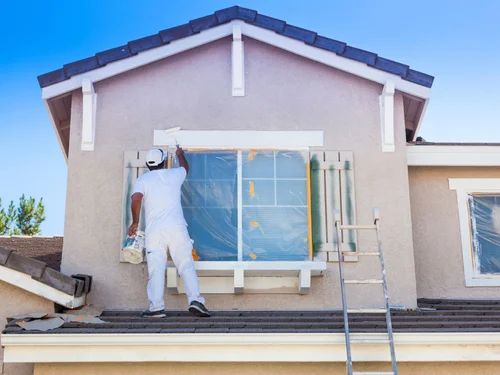
Summer season in Australia create an environment that looks beautiful but quietly puts pressure on exterior surfaces of your home. People realise this when their paint begins to fade, crack or peel sooner than expected. What looked fresh not long ago starts to lose its finish and the house no longer feels as well maintained as it once did.
For anyone considering exterior painters Melbourne or speaking with experienced house painters Melbourne, this is one of the most common conversations. Why does paint fail in summer and what can actually be done about it?
The answer is not just about paint itself. It is about how Australian conditions interact with surfaces over time.
The intensity of Australian sunlight
Sunlight in Australia is not gentle. It carries strong ultraviolet exposure that affects materials differently compared to milder climates
When paint is exposed to constant sunlight, especially on surfaces that face north or west, the outer layer begins to break down. This process is gradual, so it is not always obvious at first.
Colours start to fade. Dark shades lose their richness and lighter colours may begin to look uneven. Over time, the protective qualities of the paint weaken as well.
Once that protective layer is compromised, the surface underneath becomes more vulnerable to further damage.
Professional exterior painters Melbourne understand how different paint types respond to sunlight and choose coatings designed to handle these conditions.
Heat and surface expansion
Materials such as timber and even some masonry expand when temperatures rise. When the temperature drops again, they contract. This constant movement creates stress on the paint layer.
Over time, this can lead to fine cracks forming on the surface. These cracks may seem minor at first, but they allow moisture and air to reach the underlying material.
House painters Melbourne often consider how different materials behave in heat before applying paint, ensuring that the chosen products can move with the surface rather than against it.
Sudden weather changes
Melbourne is known for its unpredictable weather. A hot day can quickly turn into a cool evening or a sudden downpour.
These rapid changes create additional stress on painted surfaces. Paint that has expanded during the heat may contract quickly when temperatures drop.
This is one of the reasons why some paint jobs fail earlier than expected. The conditions are simply too demanding for lower quality materials or rushed application methods.
Moisture and humidity still play a role
Even during summer, moisture is present. Humidity, morning dew and occasional rain all interact with exterior surfaces.
When paint has already been weakened by heat and sunlight, moisture can find its way into small cracks or gaps. Proper surface sealing and high quality coatings help prevent moisture from causing further damage.
Experienced exterior painters Melbourne focus on creating a barrier that protects against both heat and moisture, not just one or the other.
The importance of proper preparation
One of the most overlooked reasons paint fails quickly is poor preparation. If a surface is not cleaned, repaired and primed correctly, the paint will not bond properly. Even the best paint cannot perform well if it is applied to a surface that is not ready.
During summer, this becomes even more critical. Heat can cause paint to dry too quickly, which affects how it adheres.
Professional house painters Melbourne take time to prepare surfaces thoroughly. This includes cleaning away dirt and old paint, repairing cracks and ensuring the surface is stable before any new paint is applied.
Choosing the right type of paint
Not all paints are designed for Australian conditions. Some may perform well in milder climates but struggle under intense sunlight and heat.
High quality exterior paints are formulated to resist ultraviolet damage and maintain flexibility. They are also designed to reflect some of the heat rather than absorb it, which helps reduce stress on the surface.
When homeowners choose experienced exterior painters Melbourne, they benefit from knowledge about which products work best for local conditions.
Application timing matters
Painting during the peak of summer heat can create problems if not managed carefully. If paint is applied when surfaces are too hot, it may dry too quickly. This can prevent proper bonding and lead to an uneven finish.
Professional painters often plan their work around the time of day and weather conditions. Early mornings or cooler periods are often preferred to achieve the best results.
This attention to timing is something many homeowners do not consider, yet it plays a key role in how well the paint performs over time.
Maintenance makes a difference
Regular cleaning helps remove dirt and pollutants that can affect the surface. Checking for small cracks or areas of wear allows issues to be addressed early before they become larger problems.
Simple steps such as ensuring proper drainage around the home can also reduce the impact of moisture on painted surfaces.
Homeowners who take a proactive approach often find that their paint lasts much longer.
Why investing in quality matters
It is tempting to focus on cost when planning a painting project. However, when paint fails early, the cost of repainting comes much sooner than expected.
Investing in quality materials and experienced painters may cost more upfront, but it reduces the need for frequent repainting.
For those considering house painters Melbourne, it is worth thinking about the long term outcome rather than just the initial price.
Conclusion
Summer season is beautiful, but they are also demanding on homes. Heat, sunlight and changing weather all work together to challenge exterior paint.
Understanding why paint fails helps homeowners make better decisions about how to protect their property.
Working with experienced exterior painters Melbourne ensures that the right materials, preparation and application methods are used.
The goal is not just to achieve a fresh look, but to create a finish that stands up to the conditions year after year. In the end, protecting your home is about more than appearance. It is about ensuring that what you invest in today continues to perform well into the future.