A practical look at how modern audio separation works and the creative ways musicians put it to use
For decades, pulling a vocal out of a finished song seemed nearly impossible. Once everything was blended into a single stereo file, the individual parts were locked together. Today, machine learning has changed that. Software can now estimate where a voice sits within a mix and separate it from the instruments, opening up possibilities for singers, producers, teachers, and hobbyists.
Why People Separate Vocals
The reasons are surprisingly varied. Singers create backing tracks for practice or performance. Producers study how a vocal was layered and processed. Teachers build exercises around isolated parts. DJs and remixers look for acapellas to blend with new beats. Content creators want clean instrumentals for videos and podcasts. Whatever the goal, a clear separation saves hours of guesswork.
How the Technology Works
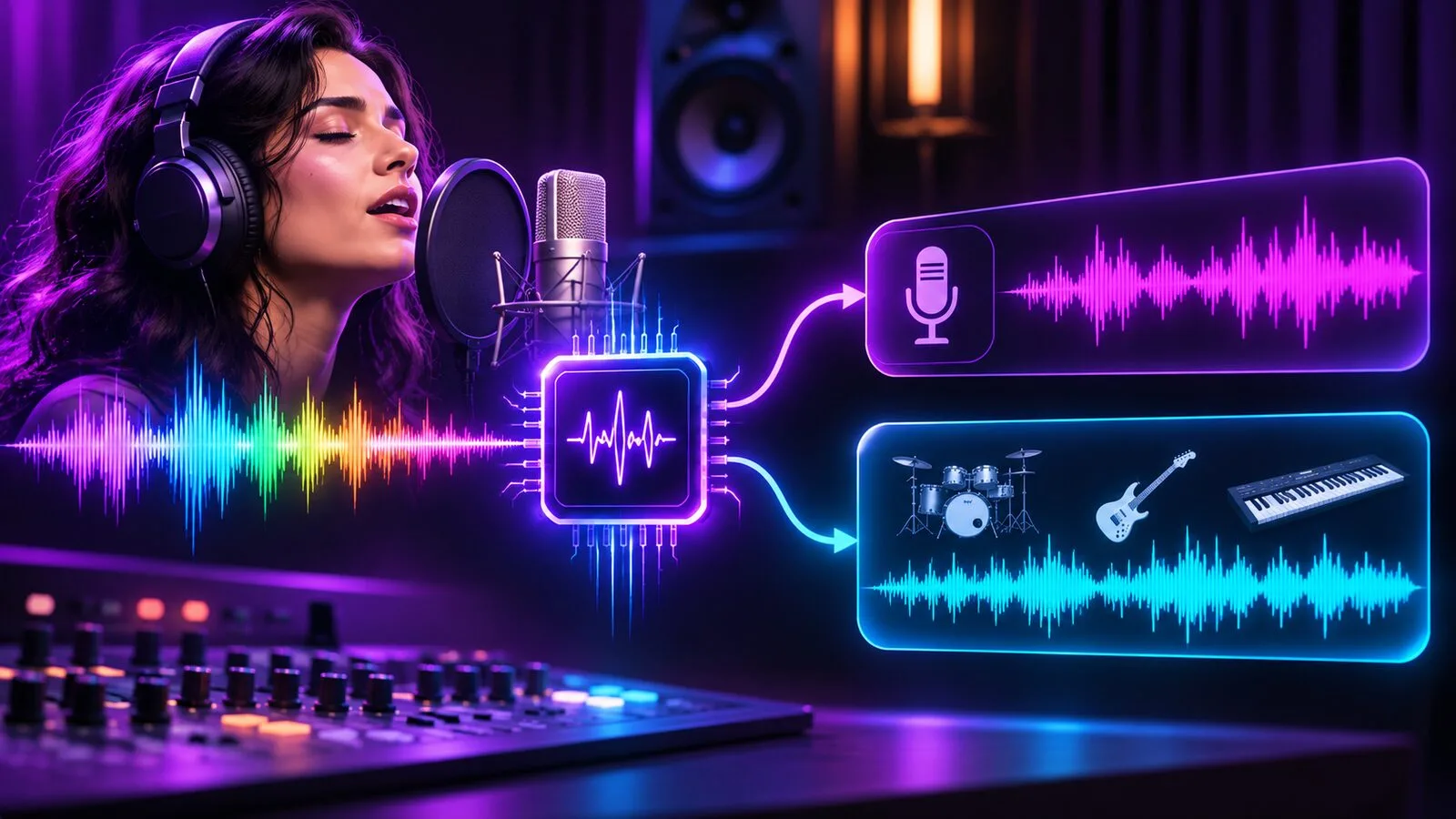
Traditional tricks, such as phase cancellation, only worked on certain recordings and often left behind messy artifacts. Modern systems take a different path. Models trained on large amounts of music learn to recognize the patterns that distinguish a voice from drums, bass, guitars, and keyboards. When you upload a song, the model predicts which parts of the audio belong to each source and rebuilds them as separate files. The results are often impressive, though no method is perfect.
A Simple Way to Start
If you want to try it yourself, a tool that lets you remove vocals from song online can be a convenient starting point because there is nothing to install. Upload your file, wait for processing, and listen to the vocal and instrumental versions side by side. Starting with a high-quality source file gives the model more information to work with and usually leads to cleaner results.
Tips for Cleaner Results
Source quality matters more than most people realize. A lossless file will almost always beat a heavily compressed one. Songs with clear, centered vocals tend to separate more cleanly than tracks packed with reverb, harmonies, and effects. If you hear faint traces of instruments in the vocal, or hints of voice in the instrumental, that is normal. Light equalization or a small dip around the problem frequencies can often hide it.
Creative Uses Worth Exploring
Once you have a separated vocal, you can experiment. Try changing the tempo while keeping the pitch, layering new harmonies, or placing the voice over a different arrangement. Use the instrumental to rehearse a cover or write new lyrics over a familiar groove. Many producers also use isolated parts as learning material, listening closely to phrasing, breath, and effects choices.
Respecting Rights and Permissions
It is important to use this technology responsibly. Songs are protected by copyright, and separating a track does not change who owns it. Use material you created, have permission to use, or are working with for personal study. If you plan to release a remix or share something publicly, make sure you have the proper clearances first.
Conclusion
Vocal separation has moved from a technical puzzle to an accessible creative tool. With good source files and realistic expectations, it can support practice, learning, and fresh musical ideas. Funk Lab AI offers audio tools that help musicians and producers explore their music in new ways, while keeping the process simple.