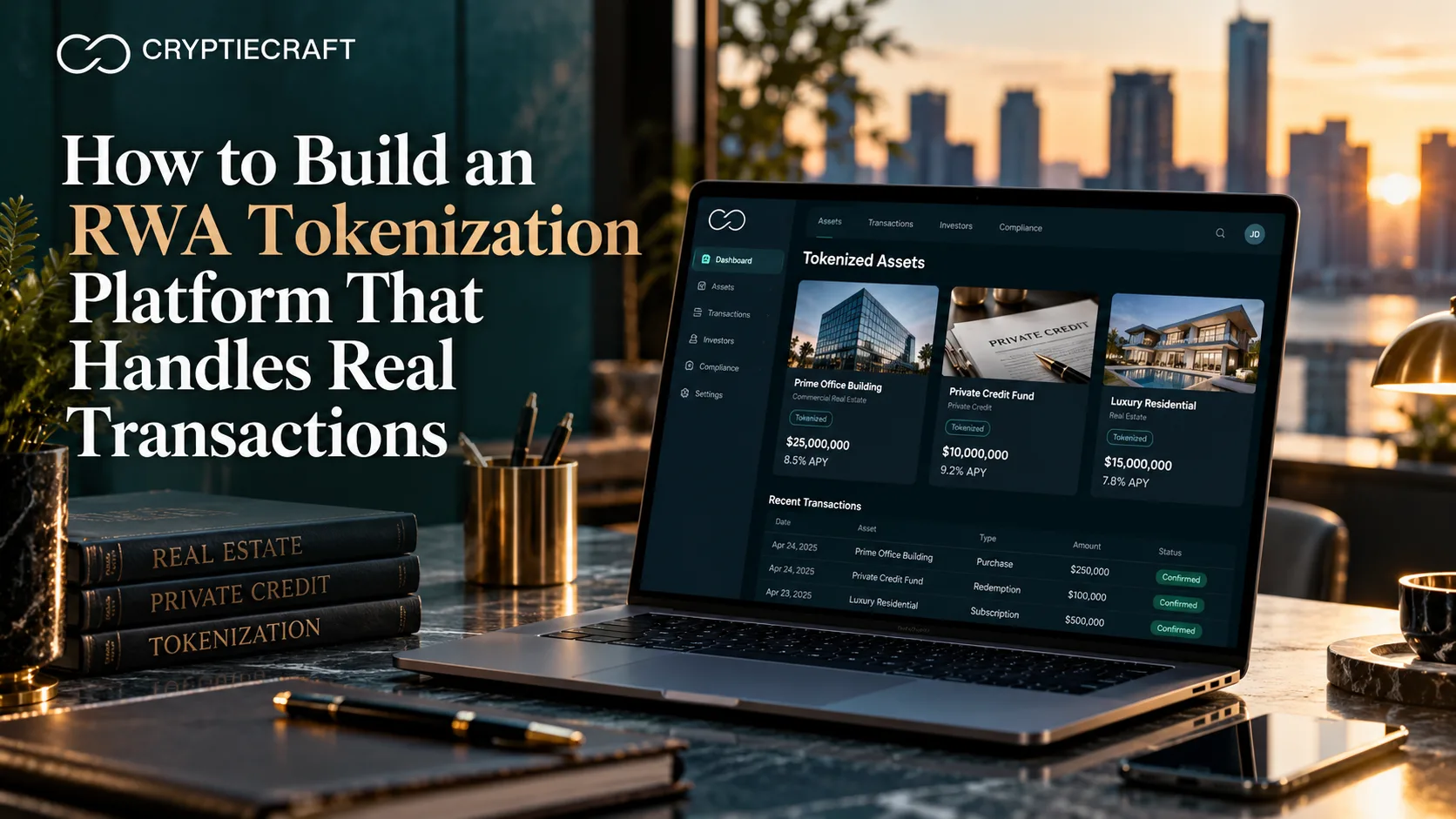

The global property market is entering a new digital phase where ownership, investment access, and liquidity are being redefined through blockchain infrastructure. In recent years, tokenized real estate has shifted from a niche concept to a practical business model for many PropTech startups. By converting physical property assets into blockchain-based tokens, companies are presenting new ways for investors to access real estate markets that were traditionally restricted by high capital requirements and complex legal procedures.
Startups entering the PropTech space in 2026 face an important decision. Building tokenization infrastructure from the ground up requires technical expertise, legal understanding, and significant financial investment. As a result, many emerging companies are turning toward ready-made solutions that allow them to launch tokenized property platforms without years of development work.
This shift explains the growing interest in White Label Real Estate Tokenization solutions. These platforms provide a ready framework that startups can adopt, brand, and operate under their own identity. For early-stage companies attempting to enter the digital real estate sector quickly, this approach presents a practical pathway into the market.
The following sections examine why PropTech startups increasingly consider a White Label Real Estate Tokenization Platform in 2026, how these platforms operate, and what role they play in shaping digital property investment ecosystems.
The Growing Role of Tokenized Real Estate in PropTech
PropTech has always been about modernizing property transactions, property management, and investment processes through technology. Blockchain-based tokenization has introduced a new layer of innovation by digitizing ownership and fractionalizing property assets.
Instead of purchasing an entire property, investors can purchase tokens representing partial ownership. Each token corresponds to a share of the property asset and may represent income rights, appreciation value, or governance participation depending on the structure.
For PropTech startups, tokenization offers several advantages. It widens the potential investor base by allowing smaller investment amounts. It also introduces digital asset trading opportunities where token holders can exchange ownership shares through regulated marketplaces.
However, creating such a platform independently involves complex blockchain architecture, smart contract creation, asset management frameworks, and regulatory compliance systems. Because of these challenges, many startups prefer adopting White Label Real Estate Tokenization Services that provide ready-to-deploy infrastructure.
Understanding White Label Real Estate Tokenization Platforms
A White Label Real Estate Tokenization Platform is a pre-developed software environment that companies can adopt and brand as their own property investment marketplace. The platform includes all the technical components required for tokenized real estate transactions.
These systems typically support the tokenization of property assets, investor onboarding, compliance procedures, smart contract execution, token distribution, and digital asset management. Instead of spending years developing each element, a startup can integrate the platform and begin operating much sooner.
The platform provider manages the backend technology while the startup focuses on business operations, property acquisition, marketing, and investor relations. Through White Label Real Estate Tokenization Development, startups can modify certain platform aspects such as branding, interface design, and platform features without rewriting the entire system architecture.
This arrangement makes it possible for companies with limited technical teams to enter the tokenized real estate sector while maintaining control over their brand and market positioning.
Lower Development Barriers for Early-Stage Startups
One of the primary reasons PropTech companies adopt a White Label Tokenization Platform lies in the reduced technical complexity involved in launching a blockchain-based property marketplace.
Developing tokenization software internally requires expertise in blockchain protocols, smart contracts, digital asset security, and token economics. Recruiting such talent often demands significant financial resources, which many startups cannot allocate during their early stages.
White Label Real Estate Tokenization Development addresses this challenge by offering a structured development framework that has already undergone testing and refinement. Instead of assembling a large blockchain development team, a startup can rely on White Label Real Estate Tokenization Services to deploy the platform infrastructure.
This approach allows founders to concentrate on identifying properties suitable for tokenization, establishing partnerships with property developers, and attracting investors interested in fractional property ownership.
Faster Market Entry in Competitive PropTech Environments
The PropTech industry is highly competitive. Startups entering the market must introduce their products quickly in order to capture investor attention and property partnerships.
Developing a blockchain-based real estate platform from scratch may take years before reaching a fully operational stage. During that time, other companies may already gain market recognition and investor confidence.
A White Label Real Estate Tokenization Platform provides a faster path to market participation. Since the core technology is already available, startups can launch property tokenization marketplaces in a shorter timeframe. This quicker entry allows them to focus on marketing strategies, investor outreach, and property acquisition rather than lengthy technical development cycles.
For companies attempting to gain visibility in a crowded PropTech sector, time plays a significant role in determining long-term market presence.
Fractional Real Estate Investment Opportunities
Another reason many startups consider White Label Real Estate Tokenization solutions is the increasing demand for fractional real estate investment opportunities.
Traditional real estate investments often require large capital commitments. Investors interested in premium commercial or residential properties may find it difficult to participate due to financial constraints. Tokenization allows properties to be divided into smaller investment units represented by blockchain tokens.
Through a White Label Real Estate Tokenization Platform Development approach, startups can present property investment opportunities to a wider audience. Investors can purchase smaller shares in multiple properties rather than committing all funds to a single asset.
This investment structure attracts a broader range of participants, including retail investors who previously lacked access to high-value property markets.
Digital Asset Liquidity for Property Markets
Real estate has historically been considered an illiquid asset class. Property transactions often require months of negotiation, legal processing, and financial verification. Tokenization introduces a digital alternative where ownership shares can be exchanged through token marketplaces.
Startups adopting White Label Real Estate Tokenization Services can integrate trading environments where investors buy or sell tokenized property shares. Although regulatory structures vary by region, many digital asset frameworks already support tokenized securities and asset-backed tokens.
By incorporating a White Label Tokenization Platform, PropTech startups present a model where property investments behave more like digital financial assets. Investors gain the possibility of portfolio diversification while maintaining exposure to real estate markets.
Regulatory and Compliance Considerations
Real estate tokenization operates within a regulatory environment that includes property law, securities regulations, and digital asset policies. Navigating these legal frameworks requires specialized knowledge.
Many White Label Real Estate Tokenization Platform Development providers integrate compliance features into their systems. These features often include investor identity verification, accreditation checks, transaction monitoring, and reporting tools designed for regulatory oversight.
By adopting such platforms, PropTech startups gain access to compliance tools without independently developing legal technology frameworks. While companies still require legal consultation, the presence of integrated compliance systems simplifies operational procedures.
White Label Real Estate Tokenization Services often include guidance regarding regulatory considerations across different jurisdictions, which helps startups avoid major legal complications during platform operations.
Global Investor Participation
Another reason tokenized real estate attracts PropTech companies is the possibility of global investor participation. Traditional property investment often remains restricted by geographic limitations, banking regulations, and complex transaction processes.
Blockchain-based tokenization introduces digital asset ownership models that allow international investors to participate in property investments under regulated frameworks.
A White Label Real Estate Tokenization Platform allows startups to host digital property offerings accessible to investors across different regions. With appropriate compliance measures in place, property tokenization platforms may reach audiences far beyond local real estate markets.
This global participation introduces new capital sources for property development and real estate investment projects.
Cost Efficiency Compared to Custom Development
Developing proprietary tokenization technology requires significant financial investment. Blockchain architecture design, smart contract audits, security infrastructure, and user interface development all contribute to the total project cost.
For early-stage startups operating with limited budgets, such expenses may delay product launch or reduce funds available for property acquisitions and marketing campaigns.
White Label Real Estate Tokenization Development offers a cost-effective alternative. Instead of funding full software development cycles, companies pay licensing or service fees to access a functional tokenization platform.
This financial model allows startups to allocate resources toward business growth rather than complex software engineering projects.
Branding Flexibility for PropTech Companies
Despite being pre-developed, a White Label Tokenization Platform still allows startups to operate under their own brand identity. Platform interfaces, logos, color schemes, and certain design elements can be adjusted to match the company's brand strategy.
This flexibility allows startups to maintain a unique market presence while utilizing existing technology infrastructure. Investors interacting with the platform see the startup's brand rather than the underlying technology provider.
Through White Label Real Estate Tokenization Platform Development, companies receive the technical foundation required for tokenized property investment platforms while preserving their brand positioning within the PropTech industry.
Property Asset Diversification
Tokenized real estate platforms are not limited to residential properties. Many PropTech startups are using these platforms to tokenize various types of real estate assets.
Commercial office spaces, hospitality properties, student housing, and mixed-use developments can all be represented through digital tokens. This diversity expands the range of investment opportunities available on a single platform.
By adopting White Label Real Estate Tokenization Services, startups can manage multiple property categories while maintaining a unified digital investment marketplace.
Such diversification may attract different investor groups interested in specific property segments.
Technology Integration and Ecosystem Growth
Another factor contributing to the adoption of White Label Real Estate Tokenization solutions is the ability to integrate additional technologies into the platform environment.
Digital identity verification systems, payment gateways, blockchain analytics tools, and investor dashboards can be connected to the tokenization infrastructure. These integrations improve the operational experience for both platform administrators and investors.
PropTech startups benefit from an ecosystem where multiple digital services operate together within the property investment environment. Instead of constructing this ecosystem independently, companies adopting White Label Real Estate Tokenization Platform Development gain access to an integrated technology environment that supports digital property investment operations.
Investor Transparency and Data Accessibility
Digital tokenization platforms often provide detailed information about property assets, investment structures, and token ownership records. Blockchain technology maintains an immutable ledger that records transaction activity and asset ownership history.
PropTech startups using White Label Real Estate Tokenization Platforms can present investors with detailed data dashboards showing investment performance, property documentation, and token distribution information.
This level of data accessibility contributes to investor confidence, especially in digital investment environments where trust and verification remain important factors.
Long-Term Growth of the Tokenized Real Estate Sector
Industry analysts expect the tokenized real estate market to grow significantly in the coming years as regulatory frameworks mature and institutional investors begin participating in digital asset markets.
PropTech startups adopting White Label Real Estate Tokenization solutions position themselves within a sector that continues to attract attention from financial institutions, blockchain companies, and global investors.
While the industry still faces regulatory and technological challenges, the increasing number of tokenized property projects indicates that blockchain-based real estate investment platforms will remain an active part of the PropTech ecosystem.
Startups adopting a White Label Tokenization Platform today may gain valuable operational experience in this evolving market environment.
Conclusion
PropTech startups in 2026 face an industry landscape shaped by digital property investment models, blockchain infrastructure, and new investor expectations. Tokenized real estate has become an attractive concept because it introduces fractional ownership, digital asset trading possibilities, and global investor participation.
However, launching such platforms independently requires significant technological expertise and financial investment. For many startups, a White Label Real Estate Tokenization Platform offers a practical solution that provides the required technical framework without extensive development cycles.
Through White Label Real Estate Tokenization Development and related services, companies gain access to ready infrastructure for asset tokenization, investor onboarding, compliance management, and digital asset distribution. This allows them to focus on property partnerships, investor engagement, and market expansion.
As the PropTech sector continues to evolve, the adoption of White Label Real Estate Tokenization Services will likely remain a common approach for startups seeking entry into digital property investment markets. By combining blockchain technology with property assets through ready-made platforms, new companies gain the opportunity to participate in one of the most discussed segments of modern real estate innovation.