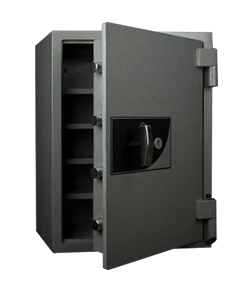
The pharmaceutical industry faces unprecedented security challenges that make certified pharmacy safes essential business infrastructure rather than optional equipment. Modern chemists operate in an environment where controlled substances command high street values, regulatory compliance requirements continue expanding, and the consequences of security failures can destroy entire businesses. Understanding why certified pharmacy safes represent critical investments helps chemists protect their operations while ensuring long-term success.
The Critical Security Landscape
Today's pharmaceutical environment presents complex security challenges that extend far beyond traditional theft concerns. Controlled substances have become increasingly valuable on illegal markets, with opioids, stimulants, and other prescription medications commanding prices that make pharmacies attractive targets for sophisticated criminal operations. Recent industry data shows pharmacy break-ins have increased by over 40% in the past five years, with criminals specifically targeting inadequately secured controlled substances.
The financial impact of security failures extends well beyond immediate inventory losses. Business interruption costs, regulatory fines, insurance premium increases, and potential license revocation create cascading effects that can permanently damage pharmaceutical operations. These risks make certified pharmacy safes not just recommended equipment, but essential business protection that addresses multiple vulnerabilities simultaneously.
Regulatory scrutiny has intensified dramatically, particularly following the opioid crisis. The DEA, state pharmacy boards, and insurance companies now require detailed documentation of security measures, access controls, and inventory tracking. Ordinary safes cannot provide the specialized features necessary to meet these evolving compliance requirements, making pharmaceutical-specific storage solutions increasingly important for business continuity.
Understanding Certification and Compliance Benefits
Certified pharmacy safes undergo rigorous testing to meet specific industry standards that address pharmaceutical storage requirements. UL ratings for burglary resistance, fire protection certifications, and pharmaceutical-specific approvals ensure equipment provides comprehensive protection against multiple threats while meeting regulatory requirements.
UL TL-15 and TL-30 ratings indicate proven resistance against skilled attacks using professional tools for specified time periods. These certifications provide crucial protection against sophisticated methods employed by criminals targeting controlled substances. Fire protection ratings ensure internal temperatures remain below critical thresholds during emergencies, protecting medication effectiveness while preventing total inventory losses.
Pharmaceutical-specific certifications address unique industry requirements including temperature stability, humidity control, and access logging capabilities. These features ensure stored medications maintain therapeutic effectiveness while providing documentation necessary for regulatory compliance and insurance coverage. The comprehensive nature of these certifications demonstrates due diligence that protects against both criminal and regulatory risks.
Financial Justification and ROI
The investment in certified pharmacy safes provides multiple financial benefits that often exceed the initial purchase cost. Insurance companies recognize reduced risk associated with proper pharmaceutical security and typically offer substantial premium reductions for businesses with certified storage systems. These savings frequently offset significant portions of the safe's cost over its operational lifetime while providing ongoing financial benefits.
Regulatory compliance costs present another compelling financial argument. Non-compliance penalties can reach hundreds of thousands of dollars, while license suspension or revocation can effectively end pharmaceutical businesses. Certified safes provide security infrastructure necessary to maintain compliance, protecting against catastrophic financial risks that could destroy years of business development.
Operational efficiency improvements provide unexpected financial benefits through streamlined inventory management, reduced handling time, and improved accuracy in controlled substance tracking. These efficiency gains translate directly into labor cost savings while improving customer service capabilities that support long-term business growth.
Business continuity protection adds another financial benefit layer. Certified safes prevent inventory losses that could force temporary closures or create supply shortages for regular customers. Maintaining consistent service levels protects customer relationships and revenue streams that represent the pharmacy's most valuable long-term assets.
Advanced Security Features and Technology
Modern pharmacy safes incorporate sophisticated technologies that transform basic storage into comprehensive inventory management systems. Digital access control systems replace traditional keys with biometric scanners, proximity cards, and PIN codes that provide secure access while creating detailed audit trails tracking every inventory interaction. These systems eliminate key management concerns while providing documentation necessary for regulatory compliance.
Network connectivity enables remote monitoring capabilities that enhance both security and operational efficiency. Connected safes send real-time alerts about unauthorized access attempts, environmental condition changes, and maintenance requirements. This connectivity allows chemists to monitor inventory security remotely while receiving early warning of potential problems before they impact operations.
Environmental monitoring systems track temperature, humidity, and other conditions affecting pharmaceutical stability. Automated alerts notify staff when conditions drift outside acceptable ranges, preventing inventory losses while maintaining compliance with storage requirements. Historical data logging provides documentation necessary for regulatory inspections and insurance claims.
Inventory management integration connects safe access with pharmacy management systems, creating seamless workflows that improve accuracy while maintaining security. Automated logging of inventory movements eliminates manual record-keeping while providing detailed documentation required for controlled substance tracking and regulatory reporting.
Selection Criteria and Implementation
Choosing appropriate pharmacy safes requires careful consideration of current needs, future growth plans, and specific operational requirements. Size considerations must accommodate both current inventory levels and projected business growth, as safes represent long-term investments where inadequate capacity can force premature replacement or limit expansion opportunities.
Security rating selection should match stored inventory risk profiles and regulatory requirements. Higher-rated safes provide greater protection but require larger investments and more complex installation requirements. Balancing security needs with practical considerations like floor loading capacity and available space ensures optimal long-term value.
Environmental control requirements vary based on stored medications and local climate conditions. Some safes include active climate control systems while others rely on passive environmental protection. Consider specific medication requirements and local conditions when evaluating environmental control features to ensure proper medication storage.
Budget considerations should encompass total cost of ownership including installation, maintenance, and operational costs. Higher-quality safes often provide better long-term value through improved reliability, lower maintenance costs, and enhanced features that improve operational efficiency despite requiring larger initial investments.
Installation and Operational Excellence
Proper safe installation requires professional expertise to ensure optimal performance while avoiding common pitfalls that compromise security or efficiency. Site preparation typically requires reinforced flooring and adequate clearance for door operation, with professional surveys identifying potential challenges before delivery to prevent delays and additional costs.
Professional installation ensures proper anchoring, electrical connections, and system commissioning while providing staff training on operation and maintenance procedures. Certified installers understand pharmaceutical-specific requirements and typically include warranty coverage protecting the investment against installation-related problems.
Staff training extends beyond basic operation to include security procedures, emergency protocols, and maintenance routines. Comprehensive training ensures staff can utilize all safe features effectively while maintaining security and compliance standards. Regular training updates keep staff current with evolving procedures and regulatory requirements.
Maintenance scheduling prevents equipment failures while maintaining manufacturer warranty coverage. Regular maintenance includes system testing, calibration verification, and component replacement as needed. Preventive maintenance programs minimize downtime while ensuring continued compliance with security and regulatory requirements.
Long-Term Value and Business Protection
Pharmaceutical safe ownership provides multiple value streams that accumulate over the equipment's operational lifetime. Asset protection represents the most obvious benefit, preventing inventory losses that could devastate pharmaceutical businesses while providing peace of mind that allows focus on patient care and business growth rather than security concerns.
Operational efficiency improvements compound over time, with streamlined inventory management and improved compliance processes providing ongoing labor savings. Professional reputation enhancement provides valuable benefits supporting long-term business success, as customers, regulators, and business partners recognize professionalism demonstrated by proper pharmaceutical security.
Conclusion
Investing in certified pharmacy safes represents strategic decisions addressing multiple business needs simultaneously. The security, compliance, and operational benefits justify investments while providing long-term protection for pharmaceutical businesses operating in increasingly challenging environments. Modern chemists cannot afford inadequate security given growing risks and regulatory requirements, making certified pharmacy safes essential infrastructure for sustainable pharmaceutical operations.