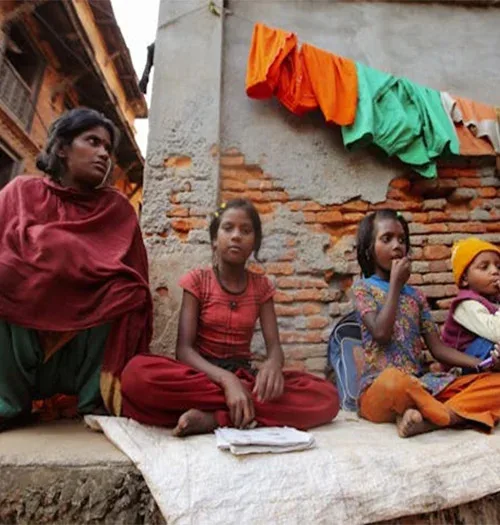
India's long-term progress depends on more than economic growth alone — it depends on whether every child gets a fair chance at education and whether women have real opportunities to participate in society and the economy. If you're asking why organizations focused on this matter so much, the answer lies in how deeply interconnected education, gender equality, and national development actually are. Understanding the role of an Education Empowerment NGO India helps clarify why this work isn't optional extra effort, but a foundational piece of the country's future.
Sashaktikaran, a Women Empowerment NGO India, operates on this premise: that a more equitable, educated society benefits everyone, not just the individuals directly supported. This article explains why this work matters, what's at stake, and how sustained NGO involvement shapes India's trajectory.
The Broader Stakes of Education and Gender Equity
A Young Population Needs a Strong FoundationIndia has one of the largest youth populations in the world. Whether that generation becomes a driver of growth or remains constrained by poverty and inequality depends heavily on access to quality education today.
Gender Gaps Still Limit National PotentialWhen large numbers of women remain outside the workforce or lack educational opportunities, the country loses out on skills, innovation, and economic contribution that could otherwise strengthen households and communities alike.
Why NGOs Play a Critical Role
Filling Gaps Government Systems Can't Always ReachNGOs often operate in areas where infrastructure, staffing, or funding limitations leave gaps — particularly in rural or underserved urban communities. Their flexibility allows them to respond faster to local needs.
Building Trust at the Community LevelBecause NGOs like Sashaktikaran work closely and consistently with communities, they're often able to shift long-standing social norms — such as attitudes toward girls' education — in ways broader policy alone struggles to achieve.
Creating Multi-Generational Impact- Educated girls are more likely to prioritize their own children's education later
- Economically independent women contribute to household stability
- Communities with higher education rates tend to see reduced poverty over time
- Local leadership development helps sustain progress beyond a single program cycle
Key Challenges Facing This Work
- Resource limitations — many NGOs operate on lean budgets, restricting how many communities they can serve
- Deep-rooted social norms — change often requires years of consistent engagement, not quick fixes
- Measuring long-term success — outcomes like empowerment and mindset shifts are harder to quantify than attendance figures
- Coordination with government programs — aligning NGO efforts with public education and welfare systems takes ongoing effort
How Individuals Can Support This Mission
- Support NGOs with transparent, program-based approaches
- Consider recurring donations to support long-term commitments
- Volunteer skills in teaching, training, or organizational support
- Advocate for education and gender equity in your own community or workplace
FAQ Section
1. Why is education specifically tied to women's empowerment?
Education gives women knowledge, confidence, and economic tools, all of which directly expand their ability to make independent life choices.
2. How do NGOs complement government education efforts?
NGOs often reach communities that government programs haven't fully covered yet, offering flexible, localized support alongside public systems.
3. What long-term national benefits come from supporting girls' education?
Higher education rates among women are associated with reduced poverty, better family health outcomes, and stronger community development over time.
4. Is this kind of work only relevant in rural India?
No — underserved urban communities face similar gaps in education access and gender equity, and many NGOs work in both settings.
5. How can I be confident my support is making a difference?
Choose NGOs that track long-term outcomes and provide transparent reporting rather than relying solely on short-term participation numbers.
6. What role does community trust play in NGO success?
Trust built over time allows NGOs to influence social attitudes and behaviors more effectively than one-time interventions can.
7. What's the most impactful way to contribute as an individual?
A combination of consistent financial support and skill-based volunteering tends to create the most meaningful, lasting impact.
Conclusion
India's future depends on how well it invests in education and gender equity today. Sashaktikaran's work as an Education Empowerment NGO India and Women Empowerment NGO India reflects a long-term commitment to closing these gaps at the community level. If this mission resonates with you, consider supporting Sashaktikaran's programs — your involvement, whether through donation, volunteering, or advocacy, contributes directly to a more equitable future.