
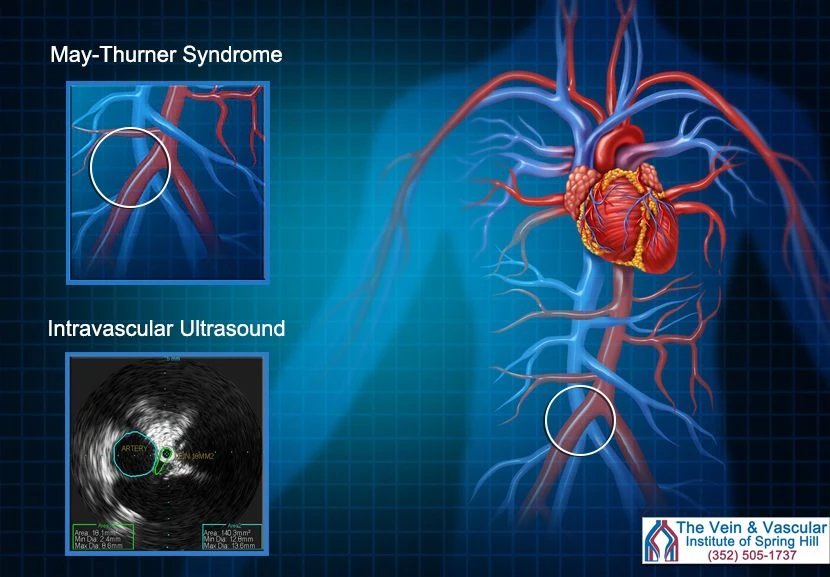
May-Thurner Syndrome (MTS) is a vascular condition that occurs when the right iliac artery compresses the left iliac vein, restricting blood flow from the lower body. This narrowing raises the risk of deep vein thrombosis (DVT), which can lead to serious complications if untreated. For people searching about May-Thurner Santa Fe, early detection is essential because timely diagnosis allows for effective treatment and lowers the chance of long-term vascular problems.
What Is May-Thurner Syndrome?
May-Thurner Syndrome is caused by a mechanical compression in the pelvis, where the artery presses against the vein. This pressure slows down blood flow, increasing the likelihood of clot formation in the left leg. While many individuals may not notice symptoms at first, the condition can silently progress and lead to more severe health issues.
Because MTS is less well-known than other vascular conditions, it is sometimes overlooked. Raising awareness in Santa Fe is important so residents can better recognize when symptoms might point to this underlying cause.
Why Early Detection Is Important
The sooner May-Thurner Syndrome is identified, the better the chances of avoiding complications such as DVT or chronic venous insufficiency. Early detection helps doctors intervene before clots develop or vein damage worsens.
In Santa Fe, early evaluation means patients can access minimally invasive treatment options sooner. Waiting too long often results in more complex procedures and longer recovery times, making early diagnosis a valuable step in protecting vascular health.
Symptoms to Watch For
May-Thurner Syndrome can cause a variety of symptoms, but they often develop gradually. Swelling in the left leg is one of the most common indicators. Many patients also experience a feeling of heaviness or aching in the leg, especially after standing for long periods. Some notice skin changes or varicose veins in the pelvic or thigh region, while others report pain that worsens during activity or at the end of the day.
Another important sign is a history of blood clots in the left leg. Even if these symptoms appear mild, they may point to underlying vein compression that should not be ignored.
How Doctors Diagnose May-Thurner Syndrome in Santa Fe
Accurate diagnosis requires imaging to confirm vein compression. Ultrasound is often the first test to evaluate vein health and blood flow. If more detail is needed, CT or MR venography may be used to provide advanced scans of the pelvic veins.
In some cases, doctors may recommend intravascular ultrasound, a catheter-based imaging tool that gives the most precise look at vein narrowing. These tools allow vascular specialists in Santa Fe to determine whether symptoms are linked to MTS and guide the best treatment plan.
Potential Complications Without Early Treatment
If May-Thurner Syndrome is left untreated, it can lead to serious complications. One of the most concerning is deep vein thrombosis, or DVT, which occurs when a blood clot forms in the deep veins of the leg. If a clot breaks loose, it can travel to the lungs and cause a pulmonary embolism, a life-threatening condition.
Long-term issues may also develop, including chronic venous insufficiency. This condition can cause ongoing pain, swelling, and skin changes that interfere with daily life. Recognizing symptoms early and seeking medical evaluation in Santa Fe helps prevent these long-term consequences.
Treatment Options Available in Santa Fe
Treatment depends on the severity of the condition. For some patients, anticoagulant medication may be recommended to reduce the risk of clot formation. Others may need catheter-directed thrombolysis, a procedure that dissolves existing clots.
In more advanced cases, angioplasty and stenting can open the compressed vein and restore normal blood flow. Patients with mild cases may benefit from monitoring and follow-up care. Specialists in Santa Fe often provide minimally invasive treatments that allow for shorter recovery times compared to traditional surgery.
Finding a Specialist in Santa Fe
For those experiencing symptoms of May-Thurner Syndrome, consulting a primary care doctor is often the first step. From there, referral to a vascular specialist or interventional radiologist may be recommended.
Santa Fe offers access to medical professionals experienced in diagnosing and treating venous disorders. Choosing a provider familiar with May-Thurner Syndrome ensures patients receive accurate diagnosis and treatment tailored to their needs.
Conclusion
May-Thurner Syndrome is an underrecognized condition that can lead to serious health problems if not addressed in time. For residents of Santa Fe, early detection is key to preventing complications and accessing effective treatments. If symptoms such as persistent leg swelling, pain, or a history of blood clots are present, seeking medical advice promptly is an important step toward protecting long-term vascular health.