Ear wax doesn’t usually get much attention—until it starts causing problems. If your hearing feels muffled, your ears feel blocked, or sounds seem quieter than normal, ear wax could be the culprit. Audiologists see this issue every day, and while ear wax is a normal and protective part of ear health, too much of it can interfere with how you hear.
Understanding how ear wax affects hearing—and knowing what an audiologist recommends—can help you protect your ears and avoid unnecessary damage.
What Is Ear Wax and Why Do We Have It?
Ear wax, medically known as cerumen, is produced by glands in the ear canal. Its job is to:
- Trap dust, dirt, and bacteria
- Protect the ear canal from infection
- Keep the skin inside the ear moisturized
- Act as a natural barrier for the eardrum
In most people, ear wax naturally moves outward as you chew or talk, eventually drying up and falling out of the ear. Under normal conditions, the ear is self-cleaning.
Problems arise when wax builds up faster than it can clear itself. Check for ear wax removal professionals.
How Ear Wax Can Affect Your Hearing
When ear wax accumulates and becomes impacted, it can block sound waves from reaching the eardrum. This creates a type of conductive hearing loss, which means sound is physically obstructed before it reaches the inner ear.
Common ways ear wax affects hearing include:
- Muffled or dull sounds
- Difficulty hearing conversations clearly
- Needing to increase TV or phone volume
- Feeling like one ear hears worse than the other
- Sensitivity to loud sounds after blockage clears
The good news? Hearing loss caused by ear wax is usually temporary and reversible once the wax is safely removed.
Signs Ear Wax May Be the Problem
Audiologists often see patients who don’t realize ear wax is behind their symptoms. Watch for these common signs:
- A sensation of fullness or pressure in the ear
- Ringing or buzzing sounds (tinnitus)
- Ear discomfort or mild pain
- Dizziness or balance issues
- Itching inside the ear canal
If these symptoms appear suddenly, ear wax buildup is often one of the first things an audiologist checks.
Why DIY Ear Cleaning Often Makes Things Worse
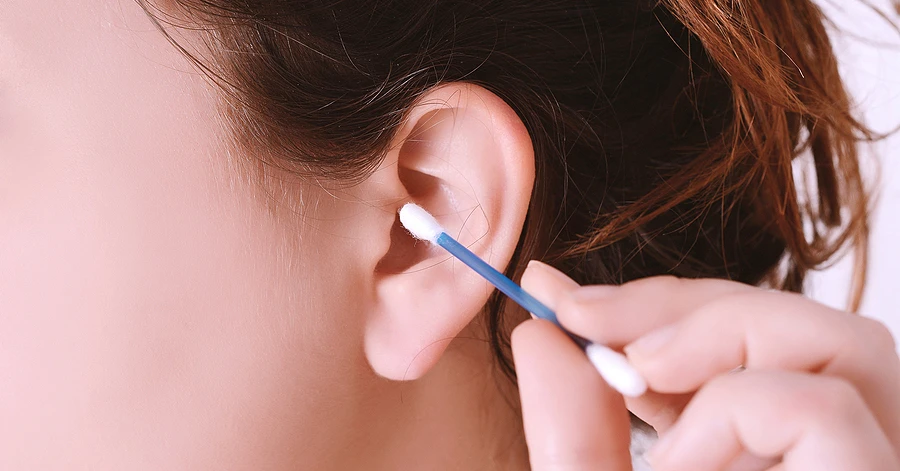
Many people instinctively reach for cotton swabs, hairpins, or other objects to clean their ears. Audiologists strongly advise against this. Instead of removing wax, these methods usually push it deeper into the ear canal, making the blockage worse.
DIY cleaning can also lead to:
- Scratches or irritation in the ear canal
- Infection (such as swimmer’s ear)
- Compacted wax that’s harder to remove
- Damage to the eardrum
- Long-term hearing problems
In fact, cotton swabs are one of the most common causes of ear wax impaction seen in clinics.
Who Is More Likely to Experience Ear Wax Buildup?
While anyone can develop wax buildup, audiologists note that certain people are more prone to it, including:
- Hearing aid users
- People who frequently wear earbuds or earplugs
- Older adults (wax becomes drier with age)
- Individuals with narrow or curved ear canals
- People who naturally produce more wax
If you fall into one of these groups, regular ear checks may help prevent hearing issues.
What an Audiologist Recommends Instead
Audiologists focus on safe, evidence-based ear care. Here’s what they typically recommend:
1. Avoid Inserting Anything into Your Ear
This includes cotton swabs, tissues, and “ear cleaning” tools sold online. If it doesn’t belong in your ear, it doesn’t belong in your ear canal.
2. Clean Only the Outer Ear
Use a soft washcloth to gently clean the outer ear during a shower. That’s usually all the cleaning your ears need.
3. Seek Professional Evaluation
If you suspect wax buildup, an audiologist can examine your ears using specialized equipment and determine whether wax is the cause—or if another condition is affecting your hearing.
4. Professional Wax Removal
Audiologists use safe methods such as:
- Microsuction (gentle suction under direct visualization)
- Manual removal with specialized instruments
- Irrigation, when appropriate
These techniques remove wax without damaging the ear canal or eardrum.
Ear Wax vs. Other Hearing Problems
One reason audiologists emphasize professional assessment is that not all hearing issues are caused by wax. Symptoms like hearing loss, tinnitus, or dizziness can also be linked to:
- Middle or inner ear infections
- Fluid behind the eardrum
- Age-related hearing loss
- Noise-induced damage
- Neurological conditions
A proper evaluation ensures the real cause is identified and treated correctly.
When to See an Audiologist
You should consider seeing an audiologist if:
- Your hearing suddenly feels blocked or muffled
- One ear hears worse than the other
- You experience ringing, pressure, or dizziness
- Home remedies haven’t helped
- You wear hearing aids and notice reduced performance
Early evaluation can prevent complications and restore hearing quickly.
Preventing Future Wax-Related Hearing Issues
Audiologists also help patients reduce recurring problems by offering guidance on:
- Safe ear hygiene habits
- How often to schedule ear checks
- Hearing aid maintenance
- When wax removal is actually necessary
With the right care, many people can avoid frequent blockages altogether.
Final Thoughts
Ear wax is a normal, protective part of ear health—but when it builds up, it can significantly affect how you hear. What may feel like hearing loss, pressure, or ringing is often a simple issue with a straightforward solution when handled correctly.
Audiologists agree: if ear wax is affecting your hearing, professional care is the safest and most effective option. Avoid home removal tools, listen to your ears, and seek expert advice when symptoms arise. Your hearing is too important to leave to guesswork.