Most homeowners pay attention to obvious cleaning tasks. Floors get vacuumed, countertops get wiped down, and bathrooms receive regular attention. Yet one important area often goes unnoticed: the dryer vent.
Out of sight usually means out of mind. Unfortunately, lint and debris don't stop building up simply because they are hidden behind walls or tucked away behind appliances. Over time, this accumulation can reduce dryer performance and create unnecessary maintenance issues.
That's where specialized cleaning tools come into play. Among the most useful are dryer vent cleaning rods, which make it possible to reach deep into vent pathways that would otherwise be difficult to access.
Think of these tools like an extension of your arm. If you drop something behind a large piece of furniture, your arm alone may not be long enough to retrieve it. A grabber tool helps you reach farther. Vent cleaning rods work in a similar way, allowing cleaning brushes to travel deep inside vent systems.
Understanding how these tools work can help homeowners and professionals keep dryer vents cleaner, safer, and more efficient.
Understanding the Purpose of Vent Cleaning Tools
A dryer creates lint every time it runs. Even when the lint trap catches most of it, tiny particles still make their way into the vent system.
At first, the buildup may seem insignificant. However, months and years of drying clothes can create substantial deposits.
Imagine pouring a small spoonful of sand into a pipe every day. One spoonful isn't a problem. Thousands of spoonfuls eventually become a blockage.
Lint behaves similarly. Small amounts gradually collect along vent walls, especially in bends and corners.
Because these areas are difficult to reach manually, specialized tools become essential.
What Are Vent Cleaning Rods?
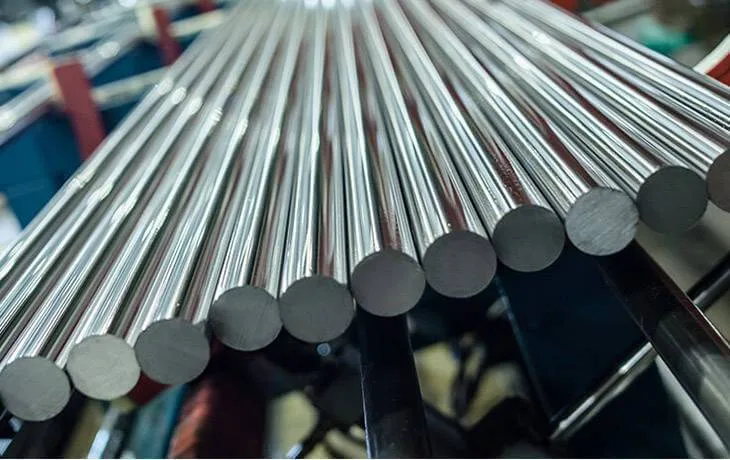
Vent cleaning rods are flexible sections that connect together to create a longer reach.
Each rod attaches to the next, forming an extended pathway capable of traveling through a vent system. A cleaning brush is usually attached at the end.
As the rods move through the vent, the brush loosens lint and debris from interior surfaces.
The design allows users to clean areas that would otherwise remain inaccessible.
Without these extensions, reaching deep sections of a vent would be nearly impossible.
Why Length Matters
Many dryer vents are longer than people realize.
Some travel only a short distance before exiting the home. Others may run through walls, ceilings, attics, or crawl spaces before reaching the outside.
Trying to clean these pathways without sufficient reach would be like attempting to clean the inside of a long drinking straw using only your fingertip.
The farther the vent extends, the more valuable cleaning rods become.
Their modular design allows users to add sections as needed.
This flexibility makes them suitable for many different vent configurations.
How They Work
The process is surprisingly straightforward.
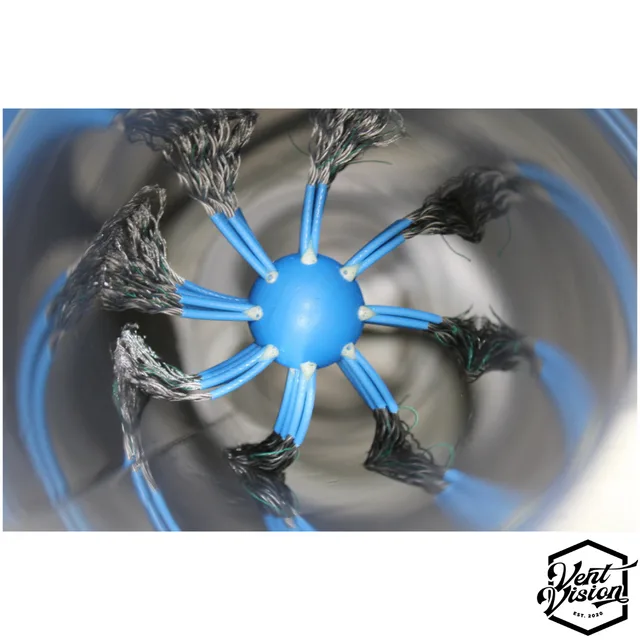
A brush attaches to one end of the rod system. As the rods move through the vent, the brush scrubs the interior surfaces.
Many systems allow the rods to rotate while moving forward.
Picture a bottle brush cleaning the inside of a reusable water bottle. The rotating action loosens material from the walls.
Vent cleaning tools operate on the same basic principle.
The combination of brushing and movement helps remove accumulated lint and dust.
Different Types of Rod Materials
Not all rods are made from the same materials.
Manufacturers design them with different priorities in mind.
Flexible Materials
Flexible rods can navigate turns and bends more easily.
This makes them useful for residential vent systems that don't follow a perfectly straight path.
Rigid Materials
Stiffer rods offer greater pushing power.
They work well when vent systems are relatively straight and require more force to move the brush forward.
Hybrid Designs
Some products combine flexibility and strength.
These designs attempt to provide the best of both worlds, allowing easier navigation without sacrificing durability.
Common Components of a Cleaning Kit
Most vent cleaning kits contain more than just rods.
Several pieces work together to complete the cleaning process.
Brush Head
The brush is responsible for loosening debris.
Different brush styles may be used depending on the vent size and cleaning needs.
Connectors
Connectors link rod sections together securely.
Strong connections help prevent separation during cleaning.
Adapters
Some systems include adapters that allow compatibility with power tools for rotational cleaning.
Extension Sections
Additional sections provide extra reach when cleaning longer vents.
Benefits of Using Proper Cleaning Equipment
Better Access
The biggest advantage is the ability to reach areas hidden deep inside the vent.
Without specialized tools, much of the system would remain untouched.
More Thorough Cleaning
A longer reach allows users to clean more of the vent rather than just the sections near the opening.
Improved Dryer Performance
When airflow moves more freely, dryers can often operate more effectively.
Restricted vents can force dryers to work harder than necessary.
Reduced Maintenance Issues
Routine cleaning can help prevent excessive buildup from becoming a larger problem later.
Signs a Dryer Vent May Need Attention
Several warning signs suggest that vent cleaning may be beneficial.
Clothes Take Longer to Dry
One of the most common indicators is extended drying times.
When airflow becomes restricted, moisture removal becomes less efficient.
Excessive Heat
A dryer that feels unusually hot during operation may be struggling with ventilation issues.
Musty Odors
Poor airflow can sometimes contribute to stale or unpleasant smells.
Visible Lint Around Vent Openings
Lint appearing near vent exits often signals buildup somewhere in the system.
Increased Energy Consumption
When equipment works harder, energy use may increase.
Although many factors affect utility bills, restricted airflow can contribute to reduced efficiency.
Cleaning Challenges in Longer Vent Systems
Longer vent runs create unique cleaning obstacles.
Every bend, elbow, or turn becomes a potential collection point.
Imagine leaves floating through a stream.
Straight sections allow smooth movement. Corners and obstacles create places where material naturally settles.
Lint behaves similarly inside vent systems.
The longer and more complex the vent layout, the more important proper cleaning tools become.
Safety Considerations
Cleaning tools should always be used according to manufacturer instructions.
Before beginning any maintenance:
- Disconnect power when appropriate.
- Allow equipment to cool.
- Inspect tools for damage.
- Work carefully around vent connections.
- Avoid forcing equipment through obstructions.
Patience often produces better results than excessive force.
If significant resistance occurs, it may be wise to investigate the cause rather than pushing harder.
Choosing Quality Equipment
Not all cleaning tools offer the same durability.
When evaluating options, consider several factors.
Build Quality
Strong materials tend to withstand repeated use better.
Secure Connections
Reliable connectors help prevent separation during operation.
Flexibility
The right balance of flexibility and rigidity can improve overall performance.
Compatibility
Some systems work with drills or other equipment, while others are designed solely for manual use.
Selecting tools that match your needs can make maintenance easier and more effective.
Professional Use Versus DIY Cleaning
Many homeowners perform basic vent maintenance themselves.
For straightforward vent systems, this can be a practical approach.
However, complex installations may benefit from professional service.
Professionals often use specialized equipment designed for longer runs and challenging configurations.
They may also have inspection tools that allow them to evaluate areas hidden from view.
The best choice depends on the specific vent layout and the user's comfort level.
The Importance of Routine Maintenance
Waiting until problems appear isn't always the best strategy.
Regular maintenance helps prevent excessive buildup from developing in the first place.
Think about brushing your teeth.
Most people don't wait for a cavity before cleaning them. Preventive care helps avoid larger issues later.
Vent maintenance follows a similar principle.
Periodic cleaning often requires less effort than dealing with years of accumulated lint.
Organizations and educational resources such as Vent Vision frequently emphasize the value of proactive maintenance because small tasks performed consistently can contribute to better long-term performance.
Understanding the Role of a Single Cleaning Rod
While complete systems often use multiple connected sections, a dryer vent cleaning rod serves as the fundamental building block.
Each section contributes additional reach, allowing users to customize the length needed for a particular vent.
This modular approach offers flexibility that fixed-length tools cannot provide.
Users simply add or remove sections as required.
The result is a tool system capable of adapting to a wide variety of vent configurations.
Avoiding Common Mistakes
Some cleaning efforts are less effective because of simple errors.
Cleaning Only the Opening
Many people focus exclusively on visible areas.
Unfortunately, deeper sections often contain the majority of the buildup.
Ignoring the Exterior Vent
The outside vent opening can also accumulate debris and should not be overlooked.
Using Damaged Equipment
Worn brushes or cracked rods may reduce effectiveness.
Rushing the Process
Careful, methodical cleaning generally produces better results than trying to finish as quickly as possible.
Conclusion
Dryer vents perform an important job behind the scenes, carrying moisture and lint away from your appliance. Because these pathways are largely hidden, buildup can occur without obvious warning.
Cleaning rods provide a practical solution for reaching deep inside vent systems where hands and ordinary tools cannot go. By extending cleaning brushes through long pathways, they help remove accumulated debris and support better airflow.
Whether you're a homeowner interested in routine maintenance or someone exploring professional-grade cleaning equipment, understanding how these tools work can make vent care much easier. Regular attention, proper equipment, and a little patience can go a long way toward maintaining a cleaner and more efficient vent system.