Modern travel often encourages people to move quickly. Visitors arrive at an attraction, take photographs, complete a checklist and leave for the next destination. Although this approach covers more places, it does not always allow travellers to understand what they have seen.
Palace on Wheels offers a different rhythm. Its seven-night, eight-day journey connects major destinations while preserving the hours between them as part of the experience. Guests searching for the best luxury train in India may find that the train’s greatest luxury is not only its cabins or restaurants, but the the ability to travel across Rajasthan without treating every transfer as lost time.
Quick Answer: Is Palace on Wheels a Form of Slow Travel?
Yes. Palace on Wheels supports slow travel by transforming transportation into a continuous hospitality experience. Guests do not simply move between cities; they dine, rest, converse and observe the changing journey while their accommodation travels with them.
The itinerary covers several destinations, but the continuity of the train gives travellers time to process each experience before beginning the next one.
What Does Slow Travel Really Mean?
Slow travel does not necessarily mean spending several weeks in one place. It means giving attention to the journey rather than focusing only on the number of attractions completed.
A slow-travel experience usually involves:
- Understanding the context of a destination
- Allowing time for observation
- Reducing repetitive travel stress
- Experiencing transitions between regions
- Engaging with local history and culture
- Creating space for rest and reflection
- Avoiding an excessively crowded checklist
Palace on Wheels follows a scheduled route, yet its onboard environment gives guests an important pause between active sightseeing periods.
Why Are Transitions Important in Rajasthan?
The cities of Rajasthan are connected historically, but they do not look or feel identical. Their forts, palaces, natural environments and regional identities developed under different conditions.
When travellers move instantly from one destination to another, they may remember only a collection of monuments. The journey between places helps them recognise how landscapes, colours and architectural responses change across the state.
The transition toward the desert creates a different expectation from the movement toward lakes, wildlife environments or historic fort cities. Palace on Wheels allows these transitions to remain visible and emotionally meaningful.
How Does the Train Turn Travel Time into Experience Time?
On an ordinary multi-city itinerary, transfer hours are often treated as a burden. Travellers may spend the journey checking traffic, monitoring luggage, searching for rest stops or waiting to reach the next hotel.
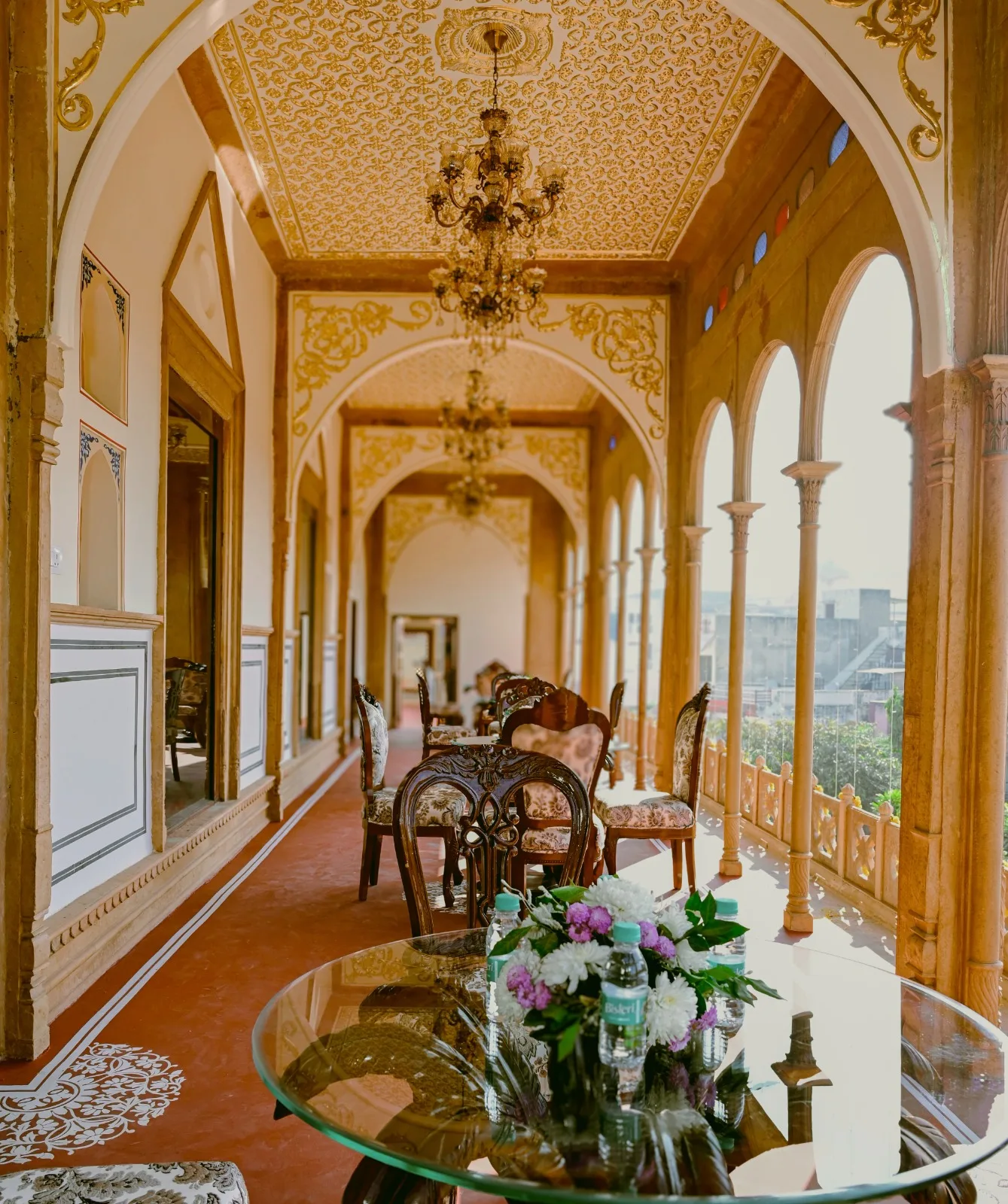
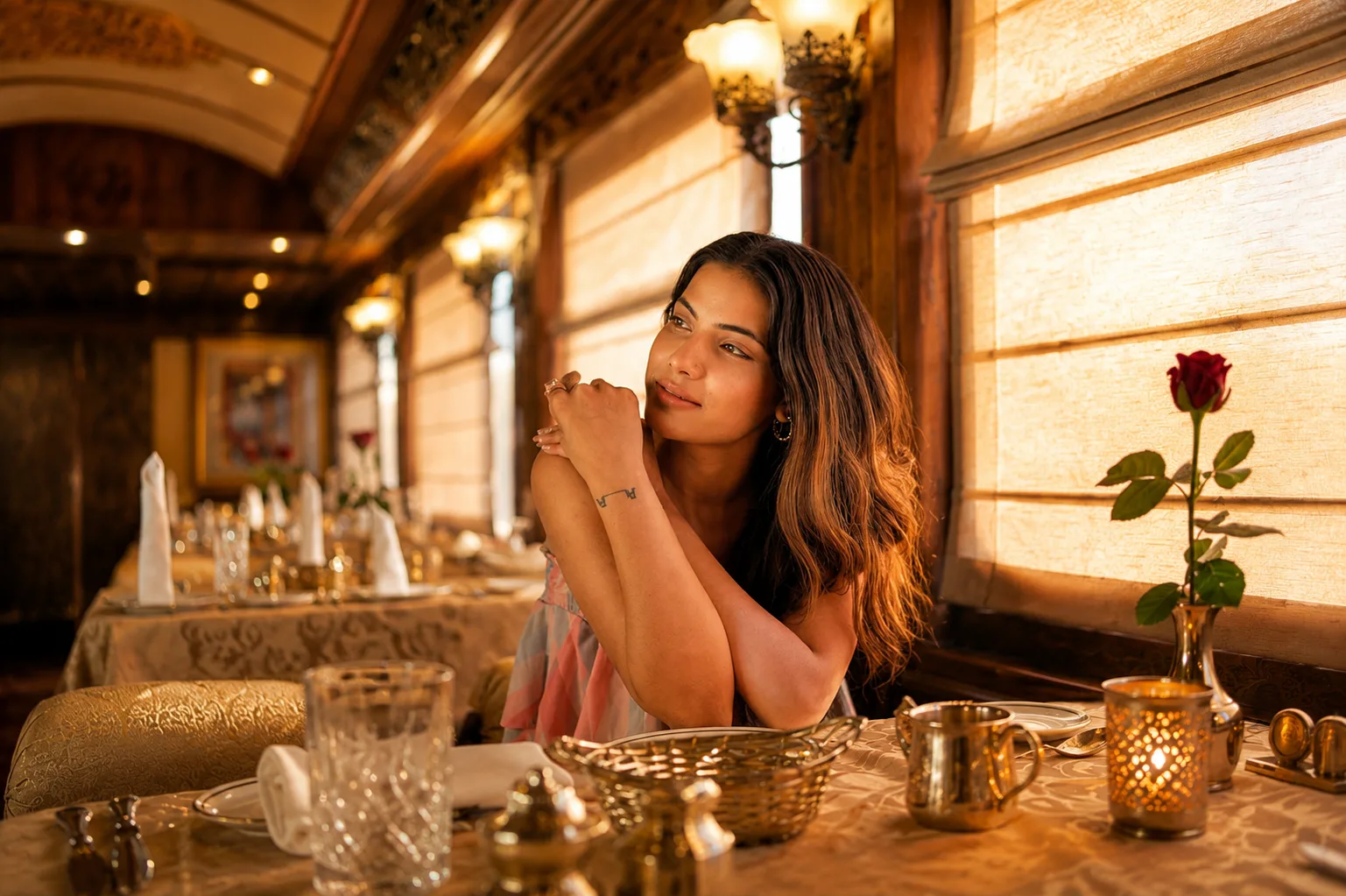
Aboard Palace on Wheels, movement continues while guests use the train as their temporary home. They can return to their cabins, enjoy meals at Swarn Mahal or Sheesh Mahal, speak with fellow travellers or rest before the next destination.
This does not make every hour an organised activity. Instead, it creates useful unstructured time—a quality that many fast itineraries lack.
Why Does Keeping the Same Cabin Matter?
Repeatedly changing hotels creates small but cumulative disruptions. Guests must repack belongings, ensure nothing is left behind, complete check-out procedures, travel with luggage and adjust to a new room.
On Palace on Wheels, the cabin remains with the traveller throughout the route. This allows guests to establish a personal routine from the beginning of the journey.
They know where their essentials are stored, how their space is organised and where they will return after sightseeing. The consistency reduces mental effort and makes each new destination easier to approach.
How Can Travellers Use Onboard Time Meaningfully?
Onboard time does not need to be filled continuously. Its value comes from allowing guests to decide what they need.
After an active excursion, a traveller may want to rest. Couples may review photographs or talk about the day. Families can help children connect different historical stories, while solo-minded guests within a group may appreciate quiet personal time.
Guests can also prepare for the next destination by reading a short historical overview. Even ten minutes of context can make the following excursion more meaningful because names, architectural details and events become easier to recognise.
Why Is Reflection Important in Heritage Travel?
Historic destinations contain more information than a visitor can understand during a brief tour. Forts and palaces are not simply large buildings; they represent political decisions, artistic traditions, conflicts, trade, regional identity and everyday life.
Reflection gives these experiences time to settle. A traveller who moves immediately to another attraction may remember only visual impressions. Someone who pauses can connect the site with the wider journey.
Palace on Wheels naturally creates these pauses. The train moves forward, but the guest is not required to organise the movement.
How Does Dining Contribute to Slow Travel?
Dining aboard Palace on Wheels is not merely a break between excursions. It creates a recurring social and cultural rhythm.
Swarn Mahal and Sheesh Mahal offer dedicated restaurant settings where guests can enjoy meals and discuss their experiences. Rajasthani and Marwari influences can introduce travellers to regional flavours, while Indian and selected international choices provide variety throughout the journey.
A properly paced meal gives guests time to slow down after sightseeing. Instead of eating quickly before another road transfer, they can experience dining within the continuity of the train.
Dietary preferences should be communicated through the official booking process so suitable guidance can be provided.
Does Slow Travel Mean Missing Important Places?
No. Palace on Wheels demonstrates that travellers can experience several major destinations without making the journey feel like a disconnected race.
The route includes Jaipur, Sawai Madhopur, Chittorgarh, Udaipur, Jaisalmer, Jodhpur, Bharatpur and Agra. The difference lies in how these stops are connected.
Because accommodation and transportation are combined, guests spend less personal effort coordinating the route. That energy can be directed toward observation, conversation and enjoying each destination.
Slow travel is therefore not defined only by the number of cities. It is defined by the quality of attention given to them.
How Can Guests Avoid Turning the Journey into a Photography Checklist?
Photographs are an important way to preserve travel memories, but constant documentation can create distance from the actual experience.
Guests can take a few deliberate photographs and then spend time observing without a screen. They can notice architectural scale, changing light, landscape details and the relationship between a monument and its surroundings.
At the end of the day, reviewing a smaller set of meaningful photographs may be more satisfying than sorting hundreds of nearly identical images.
The train also provides time to add brief notes about what made each destination distinctive. These personal observations can become more valuable than generic captions.
Is Palace on Wheels Suitable for Couples Who Want Quality Time?
Yes. Couples can explore important destinations together without managing a new hotel and transportation plan every day.
The shared experiences create natural conversation: a fort may lead to a discussion about history, a landscape may become a favourite photograph, and an onboard dinner may give the couple time to reflect without everyday interruptions.
Celebrations such as honeymoons, anniversaries and milestone journeys can feel more meaningful when the schedule combines exploration with private time. Couples should review cabin choices and communicate any special requirements through the official booking channel.
Can Families Benefit from the Slower Rhythm?
Families can use onboard time to connect each day’s experiences. Children may understand history better when parents explain it through stories after returning to the train. Senior family members may value the opportunity to rest between excursions without shifting to a new hotel.
The journey also reduces some of the planning pressure usually carried by one family member. Instead of continuously coordinating rooms and vehicles, the group follows a structured route.
Families should nevertheless review cabin occupancy, excursion requirements and accessibility considerations before booking.
How Should Travellers Prepare for the Rhythm of the Journey?
Guests should recognise that the journey includes active sightseeing as well as onboard rest. Comfortable footwear, season-appropriate clothing and a manageable amount of luggage can improve the experience.
They should avoid treating every free moment as an opportunity to add another activity. The train’s atmosphere, restaurants, conversations and changing views are valid parts of the journey.
A short personal travel journal can help guests record how one destination differs from the previous one. This supports the deeper attention at the heart of slow travel.
Why Is Palace on Wheels More Than Transportation?
Transportation normally has one purpose: moving a person from one location to another. Palace on Wheels combines that movement with accommodation, hospitality, dining and a continuing sense of place.
Guests do not wait for the experience to resume after reaching the next city. The journey remains active even during the transition.
This integration is central to its identity as a luxury train journey in India. The train makes time between destinations usable, comfortable and memorable.
Final Thoughts
Palace on Wheels shows that travelling through several cities does not have to feel hurried. Its structured route, private cabins and onboard hospitality give guests the space to observe, rest and understand the relationship between Rajasthan’s destinations.
For travellers seeking a royal Rajasthan train journey, the experience offers something increasingly rare: movement without constant disruption. Guests continue travelling while retaining a familiar private space, allowing every destination to become a chapter in one connected story rather than another item on a sightseeing list.