Your skin may feel dry even after moisturising because the issue is not always “not enough cream.” Sometimes your skin is dehydrated, which means it lacks water. Sometimes your skin barrier is damaged, which means it cannot hold moisture properly. And sometimes, especially during long periods of stress, your skin becomes reactive, tight, dull, and harder to comfort.
So if your moisturiser disappears in minutes, your skin still feels tight, or your face looks tired even after skincare, the problem may be deeper than surface dryness.
Your skin may not need more random products. It may need a calmer routine that hydrates, protects, and helps the barrier recover.
Dry skin and dehydrated skin aren’t the same thing
This is where most people get stuck, because both can feel almost identical. Tight skin, flakiness, dullness, rough texture, makeup that won’t sit right, these show up with both. But the cause is different, and so is what actually helps.
Dry skin is about oil. It’s usually your skin type, your skin just naturally produces less sebum, so it struggles to stay soft and comfortable on its own.
Dehydrated skin is about water. This one is a condition, not a type, which means it can happen to literally anyone, even people with oily or combination skin. Stress, bad weather, a harsh cleanser, too many actives, not enough sleep, long-haul travel, all of it can leave your skin short on water.
And yes, you can have both at once. That’s usually when things feel especially confusing: your skin is tight but also a bit shiny, your moisturiser helps for twenty minutes then the discomfort creeps back, dry patches in some places but oily in others. That’s not a moisturiser problem. That’s your skin asking for water, lipids, and a bit of stability.
What does a damaged skin barrier actually mean?
Your skin barrier is the outermost layer of your skin, think of it as a seal that keeps moisture in and irritants out. When it’s working well, your skin feels comfortable, balanced, and resilient. When it’s weakened, water escapes faster, products may sting, and your face feels tight almost constantly.
A few things that can quietly damage your barrier over time:
- Cleansers that strip too much
- Over-exfoliating, or stacking too many actives
- Cold, dry, or windy weather
- Chronic stress and poor sleep
- Fragrance or harsh ingredients in products
- Constantly switching up your routine
When the barrier is compromised, moisturiser can’t do its job properly. You apply it, it feels good for a bit, then the tightness is back. The moisturiser isn’t failing, it just has nowhere to hold on.
That tight feeling after cleansing? That’s a sign
A lot of people assume that clean, squeaky feeling after washing means their skin is properly clean. For some, that sensation is actually your skin telling you it’s been stripped.
A good cleanser should remove the day, makeup, sunscreen, sweat, buildup, without taking your skin’s natural oils with it. If your face feels tight, dry, or uncomfortable immediately after washing, your cleanser is likely doing more harm than you realise, especially if your skin leans dry, sensitive, or reactive.
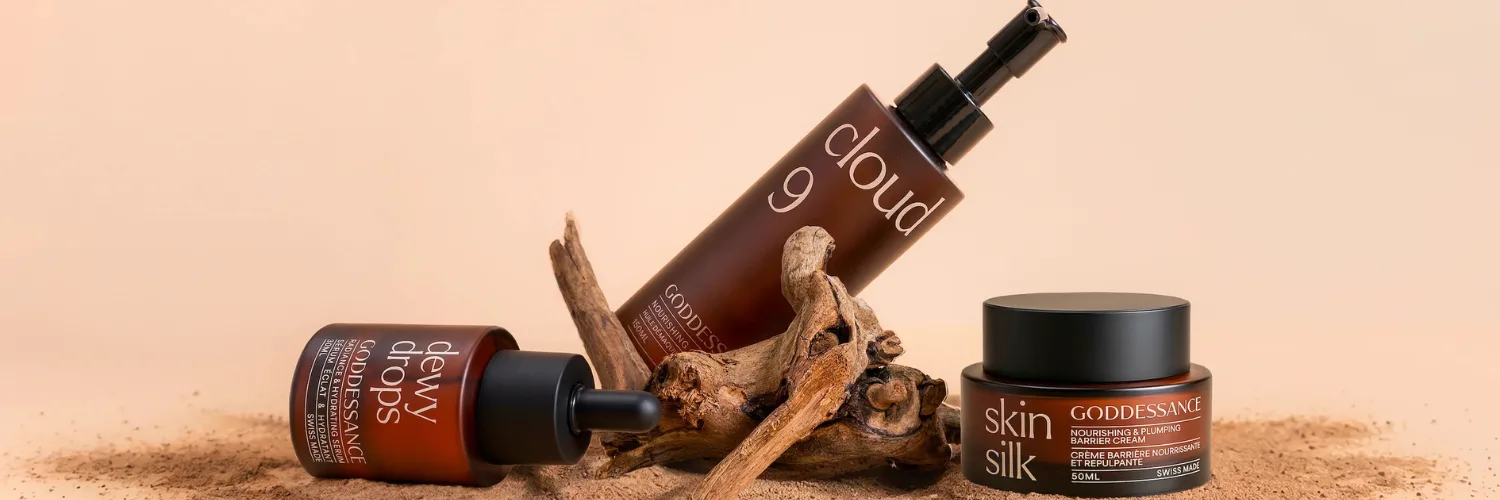
non-stripping cleansing oil for dry, sensitive skin
Why moisturiser alone often isn’t enough
This is the piece most routines are missing.
Moisturiser can help maintain comfort, but it can’t do everything. If your skin is dehydrated, it needs humectants, ingredients like hyaluronic acid and glycerin that actually draw water into the skin. If your barrier is damaged, it needs lipids, ceramides, squalane, cholesterol, fatty acids, that help rebuild and seal the outer layer. If your skin is reactive and stressed, it probably needs fewer things, not more.
A routine that actually helps dry, dehydrated skin usually looks like this:
- Cleanse without stripping. A gentle, non-foaming cleanser that doesn’t leave your face feeling tight.
- Add a hydrating serum. Something water-focused that works beneath your moisturiser, not instead of it. This is the step that actually addresses dehydration. hydrating serum for dehydrated and sensitive skin
- Seal with a barrier cream. Not just any moisturiser, but one with ceramides or nourishing lipids that help your skin hold onto the hydration you just gave it. ceramide barrier cream for dry, sensitive skin
- Stay consistent. Your skin doesn’t need a new routine every two weeks. It needs one it can get used to.
Stress really does show up on your skin
If your skin has felt more reactive, dull, or dry lately and nothing in your routine has changed, stress is worth considering.
Long periods of stress affect your skin in real ways. Inflammation goes up, the barrier weakens, sleep gets worse, and your skin’s ability to stay balanced takes a hit. You might also find yourself cleansing more aggressively, picking at your skin, or reaching for new products because your usual ones feel like they’ve stopped working. All of that can make the cycle harder to break.
For skin that’s stressed and reactive, the instinct to add more, a stronger serum, a new exfoliant, something that “fixes” it, usually backfires. What actually helps is pulling back. Fewer steps, calmer ingredients, and the patience to let your skin settle.
What to avoid when your skin already feels dry or irritated
When your skin is already struggling, the last thing it needs is more disruption. Try to go easy on:
- Strong exfoliating acids (AHAs, BHAs used too frequently)
- Physical scrubs
- Stripping foaming cleansers
- Heavy fragrance
- Switching products every few days
- Skipping SPF (sun damage makes barrier issues worse)
- Applying moisturiser directly onto dry, dehydrated skin without a hydrating layer first
You don’t need a perfect routine. You just need to stop doing the things that keep unsettling your skin, and bring in the things that help it feel safe.
When to see a dermatologist
If your skin is severely inflamed, cracking, bleeding, extremely itchy, or simply not improving despite weeks of a gentle routine, please see a dermatologist. Persistent dryness can sometimes be connected to eczema, contact dermatitis, allergies, or other conditions that need proper medical attention, not just better skincare.
This post is meant to help you understand your skin a bit better, but it’s not a substitute for professional advice.
The bottom line
If your moisturiser isn’t cutting it, don’t automatically reach for something heavier. Ask instead: is my routine actually helping my skin hold onto moisture, or just offering temporary comfort?
For most people dealing with persistent dryness, the answer is somewhere in these three things: a gentler cleanse, a proper hydration step, and a barrier-supporting cream that seals everything in. That combination, done consistently, is usually what finally makes the difference.
Your skin doesn’t need more. It needs the right things, in the right order, given enough time to actually work.
FAQ
Why is my skin dry even after moisturising?
Most likely your skin is either dehydrated (lacking water) or has a weakened barrier that can’t hold moisture in. Moisturiser alone won’t fix either of those without the right supporting steps.
What’s the difference between dry and dehydrated skin?
Dry skin lacks oil, it’s typically your skin type. Dehydrated skin lacks water, it’s a condition that can affect any skin type, including oily skin.
How do I know if my skin barrier is damaged?
Common signs are tightness, stinging when you apply products, redness, flaking, and skin that suddenly reacts to things it used to tolerate fine.
Why does my skin feel tight right after washing?
Your cleanser is probably removing more than just dirt, it’s stripping your skin’s natural oils too. That squeaky-clean feeling isn’t a good sign for dry or sensitive skin.
What ingredients help dehydrated skin?
Hyaluronic acid and glycerin are the primary humectants. Niacinamide supports the barrier indirectly by boosting ceramide production. Aloe vera soothes and calms reactive skin.
What ingredients help repair the skin barrier?
Ceramides, cholesterol, squalane, and fatty acids are the ones most associated with barrier repair and reducing moisture loss.
Can stress make your skin dry?
Yes. Stress affects your skin’s ability to stay balanced, weakens the barrier, increases inflammation, and often disrupts the habits (sleep, water, routine consistency) that keep skin healthy.
What is the best skincare routine for dry, sensitive skin?
A simple routine works best: use a non-stripping cleanser, apply a hydrating serum, then seal with a barrier-supporting cream. Avoid too many actives while the skin feels reactive.
Should I exfoliate if my skin feels dry?
Hold off. If your barrier is already compromised, exfoliation can make things worse. Focus on hydration and barrier repair first, and reintroduce exfoliation slowly once your skin feels calm again.
Which Goddessance product should I start with?
If your skin feels tight after cleansing, start with Cloud 9. If your skin looks dull or dehydrated, start with Dewy Drops. If your skin feels dry, compromised, or never stays moisturised, start with Skin Silk. For the full routine, use the complete ritual set.