Historic buildings can be visually impressive, but their appearance alone does not reveal their full meaning. A fort is not only a collection of walls, and a palace is not simply an elaborate structure. Each place reflects decisions, traditions, conflicts, communities and ways of life that developed over generations.
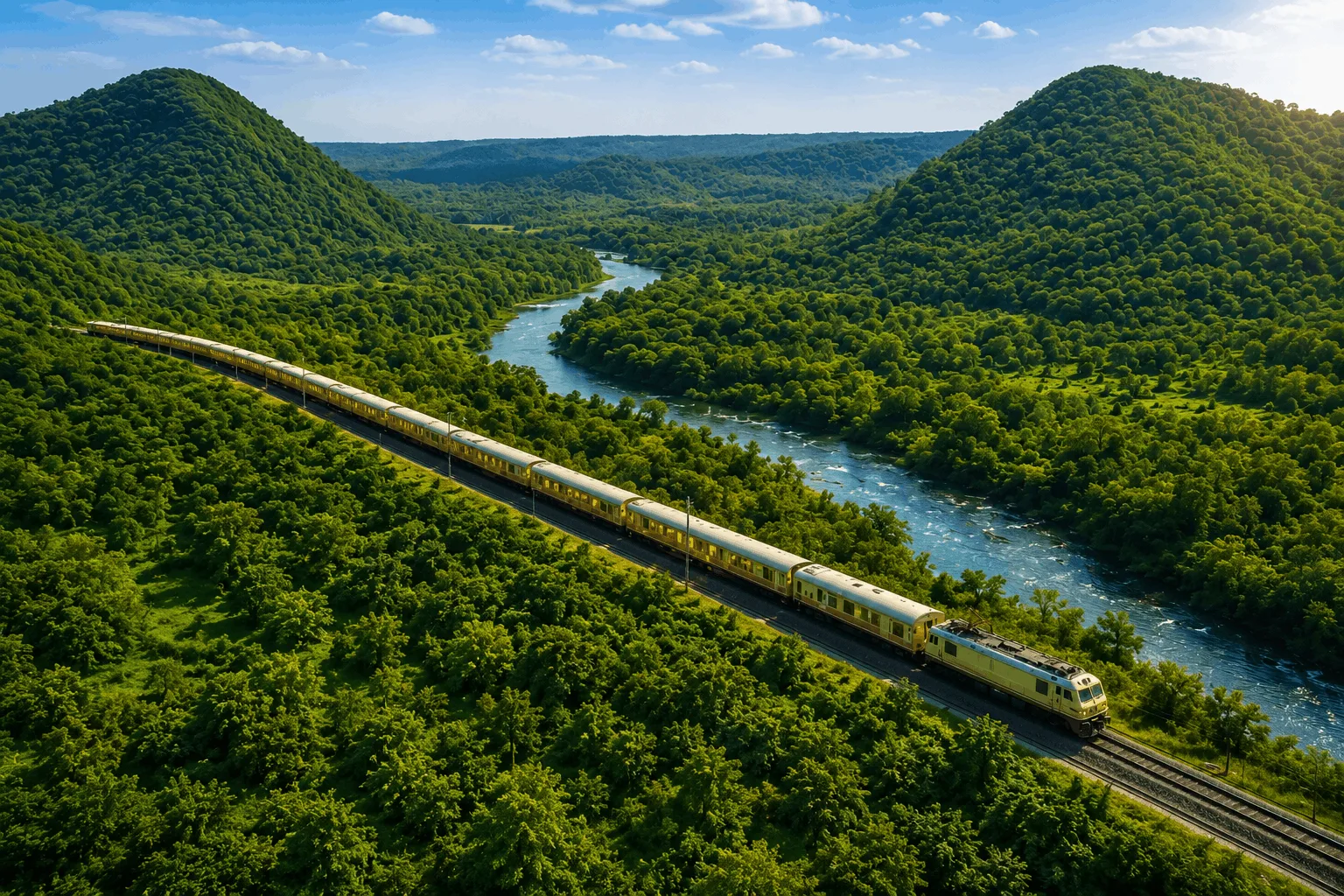
Palace on Wheels brings several heritage destinations into one connected journey. Its value comes not only from allowing guests to see celebrated landmarks but also from creating a setting in which those landmarks can be understood as parts of a wider cultural narrative.
For travellers researching the Best luxury train in India, this cultural context is important. Genuine luxury can include the quality of what a journey helps a guest understand, not merely the number of places included in a schedule.
Seeing a Monument Is Different from Understanding It
A traveller can photograph a monument within minutes, but understanding it requires context. Why was it built in that location? What purpose did it serve? How did climate, geography and politics influence its design? What does it reveal about the people connected with it?
Without such context, heritage can become a series of attractive backgrounds. With appropriate explanation, the same structures become evidence of human ambition, adaptation, artistic skill and social history.
An organised cultural journey can help travellers move beyond surface-level observation. Instead of remembering only how a place looked, guests can begin to understand why it matters.
Rajasthan Is Not a Single Historical Story
Rajasthan is often described through broad ideas of royalty, forts and desert landscapes. These ideas are important, but the region’s identity is more complex. Different destinations developed under different geographic, political and cultural conditions.
A desert city responded differently to its surroundings than a lakeside centre. A fortified settlement tells a different story from a planned capital. Architecture, trade, defence, water management, craftsmanship and courtly traditions developed in ways shaped by local circumstances.
A journey becomes more meaningful when travellers recognise these differences. Palace on Wheels can help guests encounter Rajasthan as a collection of distinct cultural environments rather than one repeated image of royal life.
The Route Creates a Larger Narrative
When heritage destinations are visited independently, each place may feel isolated. A connected journey allows guests to notice relationships between geography, architecture and history.
They may observe how the physical environment influenced building materials, settlement patterns and defensive strategies. They may recognise recurring artistic ideas while also noticing regional variations. One destination can raise questions that become clearer at the next.
This gradual accumulation of understanding is one of the most valuable features of a multi-destination cultural programme. The route becomes more than a sequence on a map; it becomes a method of interpreting heritage.
Onboard Design as a Cultural Transition
The cultural experience does not have to end when guests complete an excursion. The onboard environment can provide a transition between one destination and another.
Royal-inspired design, hospitality and dining can maintain a connection with the broader character of the journey. This does not replace historic sites or claim to recreate the past exactly. Instead, it supports the atmosphere through which guests move from one heritage setting to the next.
When handled thoughtfully, design acts as a bridge. It helps preserve the emotional continuity of the journey while travellers rest, dine or prepare for the following day.
Why Reflection Is Essential to Cultural Travel
A packed sightseeing programme can sometimes produce many photographs but few lasting impressions. Guests move quickly from one attraction to the next without enough time to process what they have encountered.
Reflection allows information to become memory. Conversations during meals, quiet moments onboard and the interval between destinations can help guests connect separate observations. A detail seen in a palace may lead to a discussion about craftsmanship. A fort may raise questions about defence, governance or daily life.
These pauses are not empty time. They give cultural experiences room to settle. They can help guests remember not only where they travelled but also what the journey taught them.
Cultural Luxury Is Different from Display
Luxury is often understood through space, ornamentation and exclusivity. Those elements can contribute to comfort, but cultural luxury has another dimension: access to a well-structured experience that helps the traveller engage more deeply.
A meaningful journey respects the guest’s time. It connects transportation, accommodation, hospitality and destination experiences so the traveller can concentrate on discovery.
This is relevant when considering the Best royal train in India. Royal character becomes more credible when it is expressed through historical continuity, regional identity and the complete design of the experience—not simply through decorative language.
Local Knowledge Helps Places Become Legible
Historic environments often contain details that are easy to overlook. The orientation of a gateway, the placement of a courtyard, the use of stone, a painted surface or a water system may reveal how people responded to security, weather, ceremony and social customs.
Guided interpretation can help make these details legible. A traveller may initially see only an impressive structure; informed explanation can reveal the practical intelligence and cultural values behind it.
Guests should remain active participants in this process. Asking thoughtful questions, listening carefully and observing small details can deepen the experience. Cultural travel becomes more rewarding when the traveller brings curiosity rather than treating the itinerary as a task to complete.
Food Can Also Carry Cultural Meaning
Dining during a journey is not only a functional pause. Food can communicate geography, hospitality traditions and changing patterns of taste.
Ingredients, preparation methods and presentation may help travellers think about the relationship between land, climate and local culture. Even when dining includes varied choices, the setting can encourage conversation about the culinary identity of the regions being explored.
Meals also create social space. Guests can discuss the day’s experiences, compare observations and prepare mentally for the next destination. In this way, dining contributes to the journey’s cultural rhythm.
A Shared Journey Creates Shared Interpretation
Cultural experiences are often shaped by conversation. Two people may stand before the same monument and notice completely different details. One may focus on architecture, another on political history, and someone else on craftsmanship.
A shared journey allows these perspectives to meet. Couples, families and fellow travellers can exchange impressions during the intervals between excursions. These conversations may reveal details an individual would otherwise miss.
The social dimension does not require constant interaction. Guests can choose when to participate and when to enjoy private time. Yet the presence of a shared cultural programme can create opportunities for meaningful exchanges.
Preparing for a Deeper Experience
Travellers do not need academic knowledge to appreciate Palace on Wheels, but modest preparation can make the journey richer.
Before departure, guests can read a concise introduction to Rajasthan’s geography and historical development. They may note the destinations that particularly interest them and prepare a few questions. Comfortable footwear and suitable clothing can help them remain attentive during excursions instead of becoming distracted by physical discomfort.
A small notebook can also be useful. Recording one memorable detail from each destination may create a more personal record than photographs alone.
Responsible Cultural Engagement
Heritage tourism carries responsibility. Historic places are not merely attractions; they are cultural resources that require respect.
Travellers should follow monument regulations, avoid touching restricted surfaces, dispose of waste responsibly and respect photography rules. They should also remain considerate toward local communities and religious spaces.
Responsible behaviour strengthens the relationship between tourism and conservation. It allows future visitors to encounter the same heritage with dignity and care.
Verify the Journey Before Booking
Itineraries, timings, inclusions and travel policies can change due to operational requirements or local conditions. Travellers should therefore rely on current official information rather than old schedules or unofficial descriptions.
The Palace on Wheels official website should be used to review the latest journey details, tariffs, departure dates and booking conditions.
From Sightseeing to Understanding
A successful heritage journey should leave a traveller with more than a list of visited places. It should create connections—between architecture and geography, tradition and daily life, history and modern identity.
Palace on Wheels provides a framework in which these connections can develop gradually. Destinations introduce different aspects of Rajasthan and India, while the onboard environment keeps the journey emotionally and practically connected.
When travellers remain curious, attentive and respectful, the experience moves beyond sightseeing. It becomes an opportunity to understand how places acquire meaning, how heritage survives and why cultural stories continue to matter in the present.