
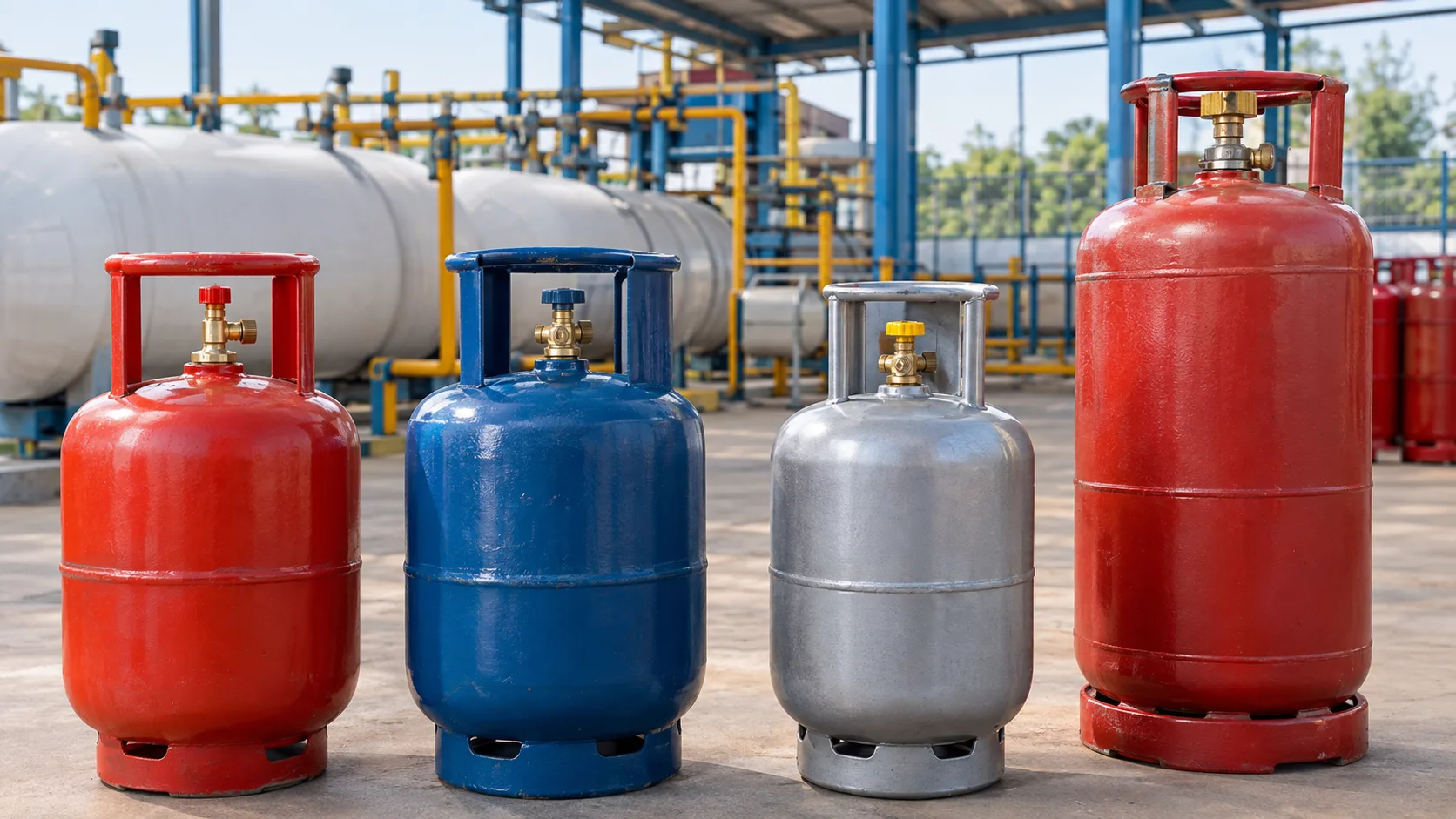
An LPG cylinder valve controls how gas enters and leaves the cylinder. Different valve designs exist because cylinders serve different applications, gas systems and connection requirements. The valve also plays an important role in controlling gas flow and supporting safe cylinder operation.
Understanding LPG cylinder valves is therefore useful when selecting, handling or maintaining an LPG cylinder. The right valve must match the cylinder, regulator and gas system it is designed to work with.
What Does an LPG Cylinder Valve Do?
The valve is fitted at the top of the cylinder and provides the controlled connection between the stored LPG and the external gas system.
When the cylinder is in use, the valve allows LPG to flow towards the regulator and connected appliance. When the cylinder is not being used, the valve keeps the gas contained inside.
A valve may also incorporate safety features designed to help manage abnormal pressure conditions. Its construction, connection and operating mechanism depend on the cylinder's intended use.
This is why one LPG gas cylinder valve cannot automatically be treated as interchangeable with another.
Why Are There Different LPG Cylinder Valve Types?
The main reason is simple: different LPG applications require different connection and operating arrangements.
1. Different Cylinder Applications
Domestic LPG cylinders, commercial cylinders and industrial gas cylinders can have different operating requirements. The valve used on each cylinder needs to suit its intended gas delivery system.
A domestic cylinder, for example, is generally connected to a regulator and appliance through a specific connection arrangement. Larger commercial or industrial systems may use different equipment and connection requirements.
2. Different Regulator Connections
The regulator has to connect securely to the cylinder valve. This makes valve and regulator compatibility essential.
Different gas cylinder valves types may use different connection designs, dimensions or attachment mechanisms. A regulator designed for one valve arrangement should not simply be forced onto another.
The connection should always match the specifications intended for that cylinder and gas system.
3. Different Flow Requirements
Not every LPG installation needs the same gas flow rate.
A cylinder supplying a household cooking appliance has different requirements from a cylinder used in a commercial kitchen or industrial application. Valve designs can therefore differ according to the expected service conditions and gas delivery requirements.
The important point is that valve selection is linked to the complete system, rather than the cylinder alone.
Common Types Of LPG Cylinder Valves
There is no single universal valve design for every LPG cylinder. Common arrangements include POL-type valves, clip-on valve systems and other application-specific valve designs.
POL-Type Valves
POL connections use a threaded connection between the cylinder valve and regulator. They are widely associated with LPG cylinders and are designed for a secure connection to compatible equipment.
The exact connection specification can vary by market and application, so the regulator must match the valve.
Clip-On Valves
Clip-on systems allow a compatible regulator to attach directly to the cylinder valve without the same threaded connection used by POL arrangements.
They are commonly used in domestic LPG systems in some markets because the connection and disconnection process can be relatively straightforward when performed with the correct equipment.
Application-Specific Valves
Commercial and industrial LPG systems can require valve configurations suited to higher demand, different equipment or particular installation requirements.
These should be selected according to the cylinder manufacturer's specifications and the applicable gas-system standards rather than based only on appearance.
Does A Different Valve Mean A Different LPG Cylinder?
Not necessarily.
The valve is one component of the cylinder assembly. Two cylinders may have similar physical characteristics but use different valve arrangements because they are intended for different regulators or applications.
This is why replacing a valve or changing a connection should not be treated as a simple component swap. Valve work should be carried out by qualified personnel using approved components and procedures.
How To Choose The Right LPG Cylinder Valve
Start with the cylinder specification and identify the intended application. Then check the valve connection, compatible regulator, required gas flow and applicable safety requirements.
Do not select a valve solely because it appears to fit. A connection that looks similar may still have different specifications, and an incorrect combination can create a serious gas-leakage risk.
For the same reason, users should never modify, drill, adapt or force LPG connections to make incompatible equipment work together.
The Bottom Line
Different LPG cylinder valves exist because LPG cylinders do not all operate within the same type of gas system. Valve design reflects factors such as cylinder application, regulator connection and gas-flow requirements.
The safest approach is to treat the valve, regulator and cylinder as a matched system. When the correct components are used together and valve-related work is handled by qualified professionals, the cylinder can perform as intended without introducing unnecessary connection or leakage risks.