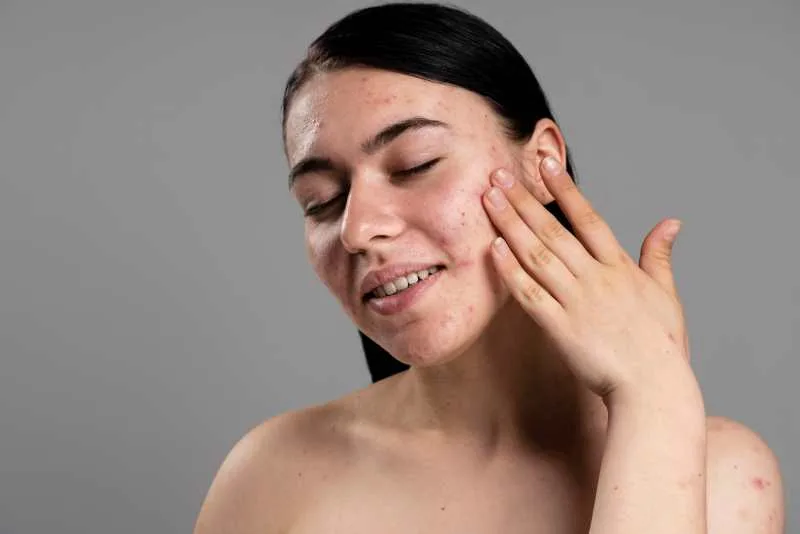
Azelaic acid has quietly become one of the most trusted tools in dermatology for patients whose skin problems don’t fit neatly into one box. Instead of being marketed as just an “acne ingredient” or a “pigment corrector,” clinicians increasingly see it as a versatile, multi-pathway molecule that can support skin with overlapping issues: acne plus rosacea, sensitivity plus hyperpigmentation, or breakouts on already-irritated, retinoid‑treated skin. That flexibility is why azelaic acid shows up so often in prescriptions and recommendations for complex, real‑world cases where the skin is reactive, inflamed, or difficult to treat with harsher actives.
What Makes a Skin Case “Complex”?
In dermatology, a “simple” case is usually one main diagnosis with clear, standard treatment options: straightforward acne, isolated melasma, or mild rosacea. Complex cases are different. They often involve several overlapping conditions and triggers: acne with severe redness, rosacea combined with post‑inflammatory hyperpigmentation, or hormonal breakouts in patients who already have a fragile skin barrier. These patients may have tried multiple actives—like strong retinoids, benzoyl peroxide, or hydroquinone—and now have irritation, uneven tone, and inconsistent results. Dermatologists prefer ingredients that can address more than one problem without worsening the others, and that is exactly where azelaic acid fits.
Azelaic Acid: A Multi-Pathway Molecule
Azelaic acid is a saturated dicarboxylic acid that works on several biological pathways at once, rather than only one target. It has antimicrobial effects against certain acne‑related bacteria, moderates abnormal keratinisation inside pores, and reduces inflammatory signalling in the skin. At the same time, it interferes with pigment production in overactive melanocytes, helping to soften dark marks and melasma. Because these actions operate in parallel, dermatologists can use azelaic acid to gently improve oiliness, texture, redness, and pigment issues in the same patient, without layering multiple aggressive products that might overwhelm the skin.
Why It’s So Useful in Acne Plus Rosacea
Acne and rosacea can co‑exist in the same face, and this combination is notoriously difficult to manage. Traditional acne treatments such as benzoyl peroxide or high‑strength retinoids often aggravate rosacea, increasing burning, stinging, and visible redness. Rosacea therapies, on the other hand, may not fully control comedones and inflammatory papules that behave like typical acne. Azelaic acid offers a middle path. It calms inflammatory pathways associated with rosacea while exerting antibacterial and mild comedolytic actions that help acne. For dermatologists, this means they can prescribe one active that reduces bumps and redness together, instead of juggling multiple agents with a higher irritation burden.
Managing Pigmentation in Sensitive or Reactive Skin
Hyperpigmentation and melasma are often treated with ingredients like hydroquinone, strong exfoliating acids, or aggressive retinoids. These can be effective but are not always suitable for sensitive, inflamed, or darker skin tones prone to post‑inflammatory hyperpigmentation from irritation. Azelaic acid works on pigment production at the level of the melanocyte while being generally better tolerated than many classic bleaching agents. Its ability to reduce the appearance of dark marks, acne scars, and melasma, without the same risk of rebound or significant irritation, makes it a go‑to option when a patient’s pigment issues are layered on top of redness, sensitivity, or ongoing breakouts.
A Gentler Option for Long-Term Use
Complex skin conditions rarely resolve in a few weeks; they often require long‑term management. Dermatologists therefore look for actives that can be used for months or years without compromising the skin barrier or causing chronic irritation. Azelaic acid is considered relatively gentle compared with many standard acne or pigment treatments, especially at moderate concentrations. When introduced gradually and supported with a sensible moisturising routine, it can form the backbone of a long‑term plan, allowing other stronger actives to be used less frequently or at lower doses. For patients who have “burnt out” on harsh regimens, azelaic acid becomes a sustainable, maintenance‑friendly option.
How Dermatologists Typically Use Azelaic Acid in Practice
In real clinical practice, dermatologists rarely use azelaic acid in isolation. It is commonly combined with other proven therapies and positioned strategically within a routine. A patient with acne and rosacea might use azelaic acid as the main anti‑inflammatory and pigment‑modulating agent, with a mild topical antibiotic or low‑strength retinoid added carefully at night. Someone dealing with melasma and sensitivity might use azelaic acid advanced formulations alongside strict sun protection and a bland moisturiser. Because azelaic acid does not usually cause the pronounced peeling or burning associated with stronger keratolytics, it can often be placed in the “daily workhorse” role, while more aggressive options are reserved for short‑term courses or targeted areas.
Why It Often Outperforms “Single-Issue” Ingredients in Complex Cases
Many skincare ingredients excel at one thing: retinoids for cell turnover, benzoyl peroxide for antibacterial action, or high‑strength acids for exfoliation. In a complex case, however, a single‑purpose ingredient can fix one problem while worsening another. Azelaic acid’s appeal lies in its balanced profile: it reduces pathogenic bacteria without wiping out the microbiome entirely, gently normalises keratinisation without stripping the barrier, and fades excessive pigment without fully shutting down healthy skin colour. This “moderate in many directions” property makes it ideal for patients who sit at the intersection of several diagnoses, where a heavy‑handed approach in any one direction would be counterproductive.
Patient Profiles Where Azelaic Acid Shines
There are certain patient profiles where azelaic acid tends to be particularly useful. One example is adult female acne accompanied by mild rosacea and patchy hyperpigmentation from past breakouts. Another is oily but highly sensitive skin that cannot tolerate standard high‑strength actives and flares easily with environmental stress. A third profile is darker skin tones struggling with the dual challenge of acne and lingering dark marks, where aggressive pigment agents pose higher risks. In each of these scenarios, dermatologists can lean on azelaic acid to cover multiple concerns with a single core molecule, then customise the rest of the regimen around it.
What This Means for Skincare Planning and Content Creation
For someone creating content about skincare, understanding why dermatologists keep returning to azelaic acid in complex cases opens up more thoughtful angles than simple “benefits/side effects” lists. Instead of describing it as another gentle active, you can frame azelaic acid as a strategic, multi‑pathway tool that fits where other single‑issue ingredients fall short. That perspective helps explain why it appears in so many clinical guidelines and combination therapies, and it resonates with readers whose skin rarely matches the neat categories used in basic skincare marketing. By focusing on the complexity of real patients and the multi‑dimensional way azelaic acid operates, you can give your audience a genuinely informative, systems‑level view of this under‑appreciated molecule.