The modern business world is powered by technology. Companies rely on digital systems for communication, financial transactions, customer management, data storage, and daily operations. While technology has made businesses more efficient and competitive, it has also created new risks that organizations cannot afford to ignore.
Cyber threats are growing every year, targeting businesses of all sizes and industries. Many business owners believe that only large corporations become victims of cyberattacks. The reality is quite different. Small and medium-sized businesses are often targeted because cybercriminals know that these organizations may have weaker security measures in place.
A single cyberattack can result in stolen customer information, financial losses, operational downtime, legal issues, and long-term damage to a company's reputation. This is why cyber security has become one of the most important investments a business can make.
Whether you operate a startup, a retail store, a healthcare organization, a financial institution, or a large enterprise, protecting your digital assets is essential for long-term success.
What Is Cyber Security?
Cyber security refers to the practice of protecting computer systems, networks, applications, and sensitive information from unauthorized access, cyberattacks, and data breaches.
It includes a wide range of technologies and security measures designed to safeguard business operations.
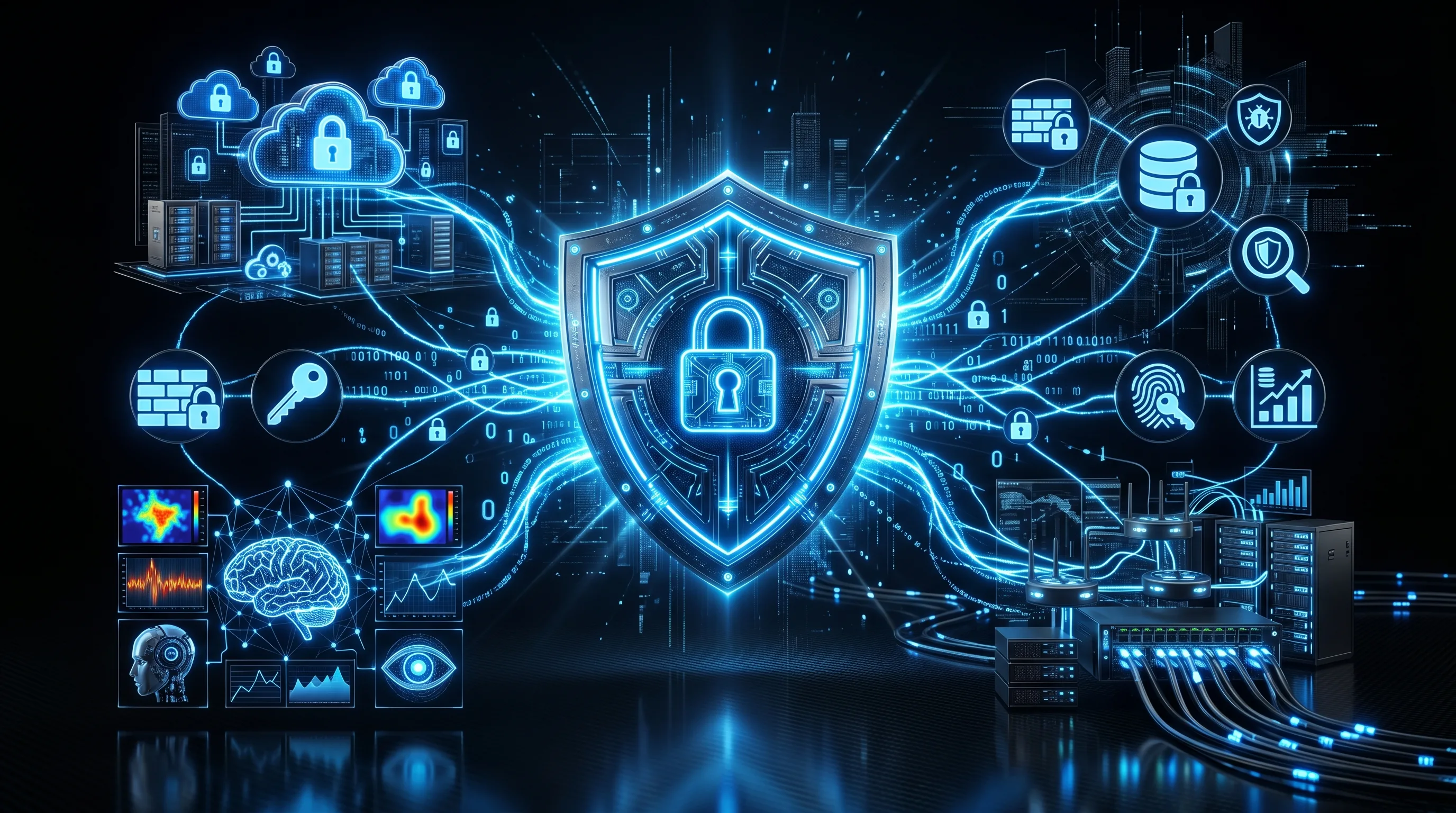
Common areas of cyber security include:
- Network Security
- Cloud Security
- Endpoint Protection
- Email Security
- Identity Management
- Data Protection
- Threat Monitoring
- Incident Response
- Disaster Recovery
The primary goal of cyber security is to ensure that business systems remain secure, available, and protected from evolving threats.
The Rising Threat of Cybercrime
Cybercrime has become one of the biggest challenges facing organizations worldwide.
Attackers use advanced techniques to exploit vulnerabilities in business systems. These attacks are becoming more sophisticated, making it increasingly difficult for businesses to defend themselves without proper security measures.
Some of the most common cyber threats include:
Phishing Attacks
Phishing attacks involve fraudulent emails or messages designed to trick employees into sharing sensitive information such as passwords, financial data, or confidential business information.
Ransomware
Ransomware is malicious software that encrypts business data and demands payment in exchange for restoring access.
Malware
Malware includes viruses, spyware, and other harmful software designed to steal information or disrupt operations.
Data Breaches
A data breach occurs when unauthorized individuals gain access to confidential information.
Insider Threats
Employees, contractors, or business partners can unintentionally or intentionally create security risks.
Distributed Denial of Service Attacks
These attacks overwhelm systems and websites, causing service disruptions and downtime.
As businesses become more dependent on digital technologies, the importance of cyber security continues to increase.
Protecting Sensitive Business Data
Data is one of the most valuable assets any organization owns.
Businesses store large amounts of information, including:
- Customer records
- Employee information
- Financial documents
- Business contracts
- Intellectual property
- Operational data
If this information falls into the wrong hands, the consequences can be severe.
Cyber security solutions help organizations protect sensitive information through:
- Data encryption
- Access control policies
- Multi-factor authentication
- Secure backups
- Continuous monitoring
Businesses that prioritize data protection reduce the risk of costly data breaches and maintain the trust of their customers.
For organizations looking to strengthen their security infrastructure, the cybersecurity services offered by Zorins Technologies Saudi Arabia provide advanced protection against modern cyber threats.
Preventing Financial Losses
Cyberattacks can be extremely expensive.
The financial impact of a cyber incident often extends far beyond the initial attack.
Businesses may face costs related to:
- System recovery
- Business interruption
- Legal expenses
- Regulatory penalties
- Customer compensation
- Reputation management
For many small businesses, a major cyberattack can threaten long-term survival.
Investing in preventive security measures is often significantly less expensive than dealing with the consequences of a successful attack.
Strong cyber security helps organizations reduce risk and avoid unexpected financial losses.
Building Customer Trust and Confidence
Trust plays a critical role in business success.
Customers expect organizations to protect their personal and financial information. When a business demonstrates strong security practices, customers feel more confident sharing sensitive information.
However, when a company experiences a data breach, customer trust can quickly disappear.
Strong cyber security helps businesses:
- Protect customer information
- Strengthen brand reputation
- Improve customer loyalty
- Increase customer retention
- Create a competitive advantage
Organizations that prioritize security often enjoy stronger relationships with customers and partners.
Ensuring Business Continuity
Every minute of downtime can impact productivity and revenue.
A cyberattack can interrupt critical business functions, preventing employees from accessing essential systems and applications.
Without proper protection, businesses may lose access to:
- Email systems
- Customer databases
- Accounting software
- Inventory management platforms
- Communication tools
Cyber security supports business continuity by helping organizations prepare for unexpected incidents.
Key measures include:
- Disaster recovery planning
- Data backup solutions
- Incident response strategies
- Security monitoring
- Risk management frameworks
Businesses that prepare in advance can recover more quickly and minimize operational disruptions.
Supporting Secure Digital Transformation
Organizations across the world are embracing digital transformation to improve efficiency and customer experiences.
This transformation includes:
- Cloud adoption
- Remote work environments
- Digital customer platforms
- Automation technologies
- Smart business applications
While these technologies create opportunities, they also introduce new security challenges.
A secure digital transformation strategy ensures that innovation does not come at the expense of security.
Businesses implementing cloud and digital infrastructure solutions can benefit from professional guidance available through Zorins Technologies Cloud and IT Solutions.
Protecting Business Reputation
A company's reputation can take years to build and only moments to damage.
When customers hear about a cyberattack, they may question the organization's ability to protect their information.
Negative publicity can lead to:
- Loss of customers
- Reduced sales
- Lower customer confidence
- Damage to brand credibility
Cyber security helps organizations protect their reputation by reducing the likelihood of successful attacks and demonstrating a commitment to security.
Businesses that maintain strong security standards often gain a reputation for professionalism and reliability.
Supporting Remote and Hybrid Work Environments
The way people work has changed significantly.
Many organizations now support remote and hybrid work models that allow employees to access business resources from various locations.
While this approach increases flexibility, it also introduces additional security risks.
Employees may access company data using:
- Personal devices
- Home networks
- Mobile devices
- Public internet connections
Cyber security solutions help secure remote work environments by implementing:
- Virtual private networks
- Identity verification systems
- Endpoint protection
- Secure access controls
- Continuous monitoring
These measures ensure that employees can work productively without compromising security.
Helping Businesses Meet Compliance Requirements
Many industries are subject to regulations that require organizations to protect sensitive information.
Failure to comply with these requirements can result in penalties and legal consequences.
Cyber security helps organizations:
- Meet industry standards
- Protect customer information
- Reduce regulatory risks
- Improve governance practices
- Strengthen internal controls
Compliance is not only about avoiding penalties. It also demonstrates a commitment to responsible business practices.
Businesses seeking guidance on technology solutions and compliance can explore resources available through Zorins Technologies Services.
Defending Against Ransomware Attacks
Ransomware has become one of the most damaging forms of cybercrime.
Attackers encrypt critical business data and demand payment before restoring access.
The consequences can be devastating.
Organizations may experience:
- Data loss
- Revenue loss
- Operational disruption
- Customer dissatisfaction
- Reputational damage
Effective protection against ransomware includes:
- Regular backups
- Security awareness training
- Endpoint protection
- Threat detection systems
- Network segmentation
Businesses that invest in cyber security are better positioned to prevent ransomware attacks and recover quickly if an incident occurs.
Creating a Competitive Advantage
Cyber security is no longer just a technical requirement.
It has become a business differentiator.
Customers, partners, and investors increasingly prefer to work with organizations that take security seriously.
Strong security practices demonstrate:
- Professionalism
- Reliability
- Risk awareness
- Commitment to customer protection
As cyber threats continue to evolve, businesses with mature security programs gain an advantage over competitors that neglect security.
Why Saudi Businesses Need Strong Cyber Security
Saudi Arabia is experiencing rapid digital growth driven by innovation, technology adoption, and economic diversification initiatives.
As organizations become more connected, cyber threats continue to evolve.
Businesses operating in Saudi Arabia face challenges such as:
- Increasing cyberattacks
- Cloud security risks
- Data protection concerns
- Compliance requirements
- Insider threats
- Advanced ransomware campaigns
Organizations need proactive security strategies to protect their operations and support sustainable growth.
Companies seeking expert support can explore cybersecurity solutions from Zorins Technologies Cyber Security Services, which help businesses strengthen their security posture against modern threats.
How Businesses Can Improve Their Cyber Security
Improving cyber security requires a proactive approach.
Organizations should consider the following best practices:
Conduct Regular Security Assessments
Identify vulnerabilities before attackers can exploit them.
Implement Multi-Factor Authentication
Add an extra layer of security beyond passwords.
Train Employees
Educate staff about phishing attacks and social engineering techniques.
Keep Systems Updated
Apply security updates and patches regularly.
Use Advanced Security Solutions
Deploy firewalls, endpoint protection, and threat detection tools.
Back Up Critical Data
Ensure data can be restored quickly after an incident.
Monitor Systems Continuously
Detect suspicious activity before it becomes a serious problem.
Work With Security Experts
Partnering with experienced IT and cybersecurity providers can significantly improve overall protection.
Organizations looking for complete IT infrastructure and security support can learn more through Zorins Technologies Saudi Arabia and their specialized technology solutions.
Conclusion
Cyber security is no longer optional for modern businesses. It is a critical component of long-term success, operational stability, and customer trust.
From protecting sensitive information and preventing financial losses to supporting digital transformation and ensuring business continuity, cyber security provides the foundation organizations need to operate confidently in today's connected world.
As cyber threats continue to grow in complexity, businesses that invest in proactive security measures will be better equipped to protect their assets, maintain customer confidence, and achieve sustainable growth.
Whether you are a small business or a large enterprise, strengthening your cyber security strategy today can help protect your organization from the challenges of tomorrow.