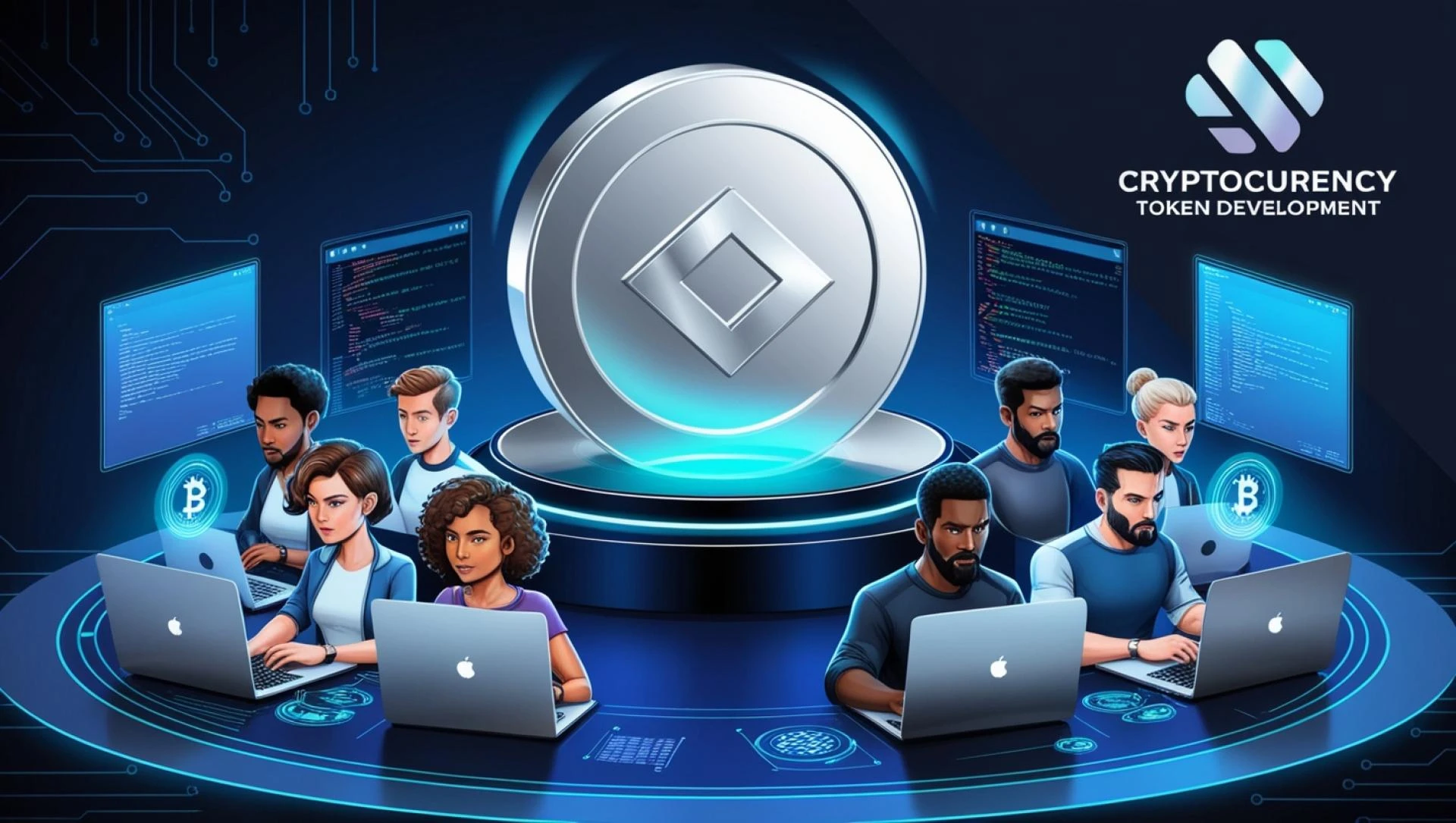
In the ever-evolving world of digital finance, the rise of blockchain technology has paved the way for several innovations — with one of the most transformative being cryptocurrency tokens. As more businesses and entrepreneurs explore decentralized finance (DeFi), the demand for professional cryptocurrency token development services has soared. But why are tokens becoming such a critical part of modern business ecosystems? Let’s explore what makes token creation essential, the types available, and how businesses can leverage this innovation for future growth.
Understanding the Role of Cryptocurrency Tokens
Cryptocurrency tokens are not the same as cryptocurrencies like Bitcoin or Ethereum. While the latter operate on their own blockchains, tokens are built on top of existing blockchain infrastructures — most commonly Ethereum, Binance Smart Chain, or Solana. These tokens can represent a variety of assets: digital ownership, voting rights, reward points, or even real-world items.
Tokens are essentially programmable assets, and their versatility is what makes them powerful. With the right development service, these assets can be customized for utility within apps, used in governance models, or even sold as part of Initial Coin Offerings (ICOs) or Security Token Offerings (STOs).
Why Businesses Are Seeking Cryptocurrency Token Development Services
The increasing adoption of blockchain is driving both startups and established organizations to consider tokenization. But developing a token involves more than just coding. It’s a process that includes ideation, technical execution, compliance, and post-launch support.
Here’s why businesses are turning to specialized cryptocurrency token development services:
- Technical Complexity: Developing secure, reliable, and scalable tokens requires in-depth knowledge of blockchain protocols and smart contracts. A simple error in code can lead to huge financial losses.
- Customization Needs: Every project is unique. From supply limits to transaction fees and governance rules, businesses need tokens that match their use case — not just generic, one-size-fits-all code.
- Security and Compliance: With increasing regulations, businesses must ensure their tokens meet legal requirements. Development firms provide auditing, legal consultation, and KYC/AML integrations.
- Time-to-Market Advantage: Rather than building a blockchain team from scratch, companies can leverage the expertise of seasoned developers to accelerate product launch timelines.
Types of Tokens Being Developed
Depending on the goal of a project, businesses might require different types of tokens. Here’s a look at the most common categories:
- Utility Tokens: These are designed to provide users access to a product or service. They are often used in decentralized applications (dApps), allowing users to pay for features or participate in platform ecosystems.
- Security Tokens: Represent ownership in an asset, such as shares in a company or real estate. These tokens are regulated and offer benefits like dividends or voting rights, similar to traditional securities.
- Governance Tokens: Allow holders to vote on decisions related to a project’s roadmap, features, or protocol changes. These are commonly used in DeFi projects.
- Stablecoins: Pegged to real-world currencies like the US Dollar, they aim to reduce volatility and are often used for payments or savings.
- Non-Fungible Tokens (NFTs): Though often associated with art and collectibles, NFTs can be used to represent identity, licensing, real estate deeds, and more.
Each type comes with its own set of technical requirements and compliance considerations, which is why expert assistance is essential.
The Process of Token Development
Engaging in token development isn’t just about writing smart contract code and deploying it on a blockchain. It involves several stages:
- Requirement Analysis: Understanding the goal behind the token, its functions, total supply, and underlying technology.
- Tokenomics Design: Defining how the token works, its economic value, distribution plan, and incentives for users.
- Blockchain Selection: Choosing the right blockchain — Ethereum for flexibility, Binance Smart Chain for lower fees, or Polygon for scalability.
- Smart Contract Development: Writing and testing the core logic that governs how tokens behave.
- Audit and Security: Every token must undergo rigorous audits to ensure there are no vulnerabilities that can be exploited.
- Deployment and Monitoring: Post-deployment support includes token listing assistance, bug fixes, and feature updates.
- Ongoing Compliance: As regulations evolve, businesses must ensure continued compliance, which may require legal counsel or software updates.
Benefits of Partnering with a Token Development Service Provider
A professional cryptocurrency token development service provider doesn't just build your token; they offer a comprehensive strategy. From smart contract audits to whitepaper creation and exchange listing, their expertise helps reduce risks and ensure smoother execution.
Some key benefits include:
- Faster development cycles
- Cost-effective, scalable solutions
- Access to blockchain and DeFi specialists
- Post-launch technical and marketing support
For businesses entering the blockchain space, such partnerships can mean the difference between a successful launch and a failed project.
Real-World Use Cases of Tokenization
Tokenization is no longer a theoretical concept. Many real-world industries are actively implementing tokens:
- Real Estate: Investors can buy tokenized shares in properties, reducing entry barriers.
- Healthcare: Tokens are used to manage patient data securely and facilitate research funding.
- Gaming: In-game assets are tokenized, enabling true ownership and trade among users.
- Supply Chain: Tokens help track and verify the authenticity of products at every step.
These examples show that token development isn’t limited to finance — it’s a multi-industry revolution.
Looking Ahead: The Future of Token Development
The next wave of blockchain innovation will be driven by seamless integration, interoperability, and regulatory compliance. As businesses continue to explore decentralized models, cryptocurrency token development services will play a central role in shaping that transition.
More advanced use cases like cross-chain tokens, real-world asset tokenization, and programmable NFTs are on the horizon. As the market matures, professional services will ensure projects are built not just for hype, but for long-term sustainability and utility.
Conclusion
Tokenization is changing the way we think about assets, ownership, and value exchange. For entrepreneurs and businesses eager to innovate in the digital economy, partnering with expert cryptocurrency token development services is a smart move. It not only ensures that your project is technically sound and legally compliant but also positions you for sustainable growth in a rapidly evolving ecosystem.
Whether you’re launching a DeFi platform, creating a community token, or exploring asset-backed securities, the right development partner can help turn your blockchain vision into reality.