
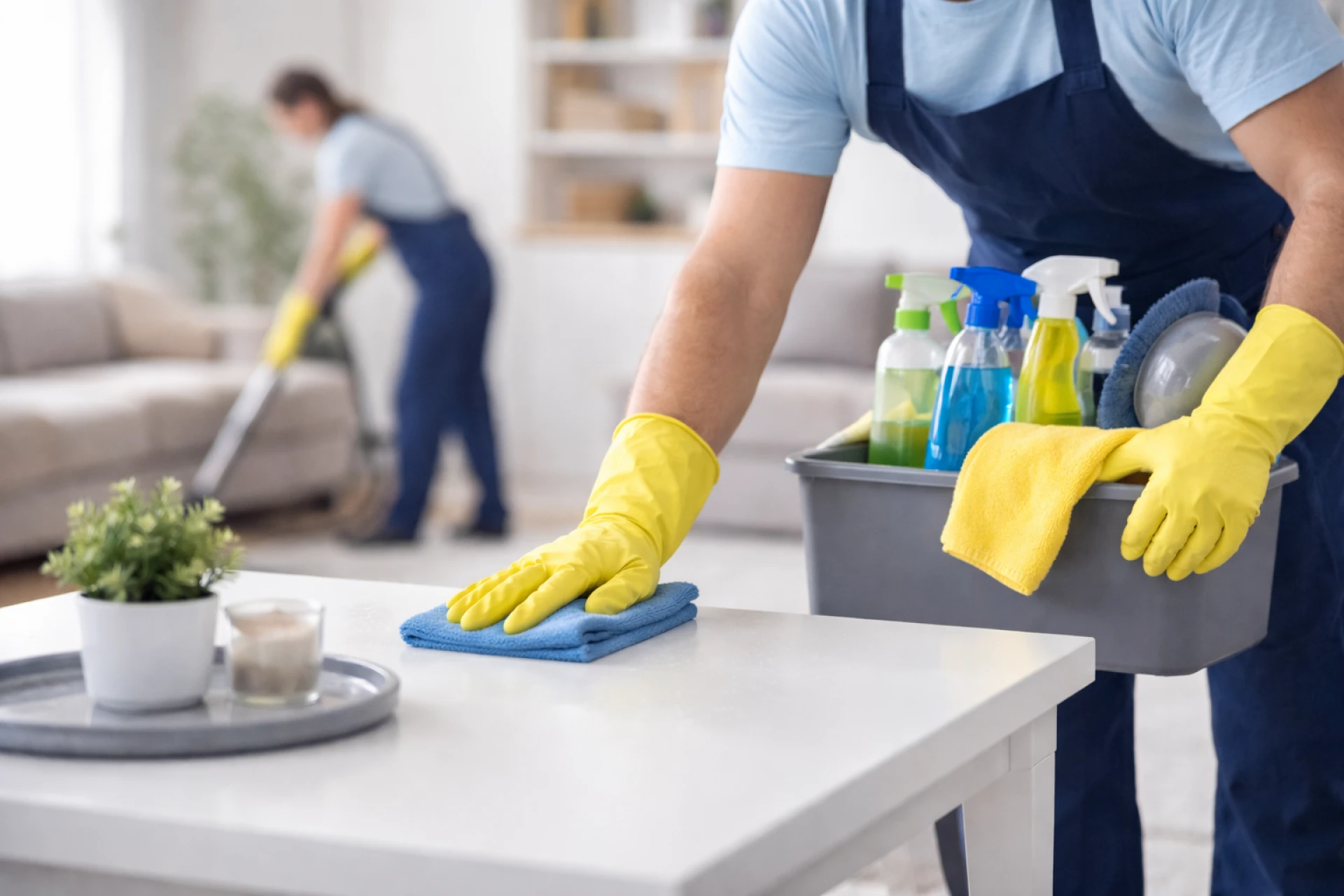
Many households rely on occasional deep cleaning to refresh their living spaces. While deep cleans can make a home look spotless, they are not always the most effective way to maintain long-term cleanliness and health. In contrast, consistent cleaning services focus on regular upkeep, preventing dirt, allergens, and bacteria from building up over time.
For UK homes—often well-insulated and exposed to damp conditions—consistent cleaning plays an even more important role in supporting hygiene and indoor air quality.
Understanding the Difference Between Consistent Cleaning and Deep Cleaning
Occasional deep cleaning targets heavily soiled areas and hard-to-reach spots. It is intensive but infrequent. Consistent cleaning, on the other hand, involves scheduled, routine cleaning tasks that keep the home hygienic on an ongoing basis.
Rather than reacting to dirt and clutter, consistent cleaning works preventively—stopping problems before they develop.
How Consistent Cleaning Supports Healthier Living
Prevents Dust and Allergen Build-Up
Regular cleaning removes dust, pollen, and pet dander before they accumulate. This is particularly important in UK homes, where limited ventilation can trap airborne particles indoors.
Consistent cleaning helps reduce:
- Respiratory irritation
- Allergy flare-ups
- Dust-related odours
Reduces Germ and Bacteria Growth
High-touch surfaces such as door handles, switches, and worktops are breeding grounds for germs. When these areas are cleaned consistently, bacteria have less opportunity to multiply and spread.
Routine cleaning supports better hygiene across the home, especially in shared living spaces.
Why Occasional Deep Cleans Are Not Enough
Deep cleans are effective for tackling visible grime, but they often allow dirt to build up between sessions. This cycle can lead to:
- Increased allergens in carpets and upholstery
- Stubborn stains and surface damage
- Higher effort and cost during each deep clean
Without regular maintenance, homes quickly return to their previous condition.
Consistent Cleaning and Indoor Air Quality
Indoor air quality is influenced by how often dust, debris, and residues are removed. Regular vacuuming, surface wiping, and floor care prevent particles from becoming airborne.
Consistent cleaning helps:
- Keep indoor air fresher
- Reduce musty smells caused by damp
- Support healthier breathing environments
This is especially valuable in UK properties where moisture and insulation can affect airflow.
Long-Term Protection for Home Surfaces
Regular cleaning helps preserve flooring, furniture, and fixtures. Dirt particles act like abrasives, slowly wearing down surfaces when left unchecked.
By maintaining cleanliness consistently, homeowners can:
- Extend the life of carpets and upholstery
- Prevent permanent staining
- Reduce wear on hard floors and worktops
Saves Time and Reduces Stress
With consistent cleaning, the mess never becomes overwhelming. Homes stay organised and manageable, reducing the time and effort required to restore cleanliness.
Instead of scheduling exhausting deep cleans, routine upkeep keeps living spaces comfortable every day.
Consistent Cleaning Encourages Better Hygiene Habits
Regular cleaning routines reinforce awareness of cleanliness and hygiene. When homes are maintained consistently, occupants are more likely to keep spaces tidy between sessions.
This creates a positive cycle of cleanliness rather than reactive cleaning.
When Deep Cleaning Is Still Useful
While consistent cleaning is more effective overall, deep cleaning still has its place. It is useful for:
- Seasonal refreshes
- Post-renovation clean-ups
- Moving in or out of a property
However, deep cleans work best when combined with regular maintenance—not as a replacement for it.
Frequently Asked Questions
Is consistent cleaning better than deep cleaning?
Consistent cleaning prevents dirt and bacteria from building up, making it more effective for long-term hygiene than occasional deep cleaning alone.
How often should consistent cleaning be done?
Most homes benefit from weekly or fortnightly cleaning, depending on occupancy, pets, and lifestyle.
Does consistent cleaning improve indoor air quality?
Yes. Regular removal of dust and allergens helps maintain cleaner indoor air.
Can consistent cleaning reduce cleaning costs?
Over time, consistent cleaning can reduce the need for expensive, intensive deep cleans.
Final Thoughts
Occasional deep cleans may offer short-term results, but consistent cleaning services provide long-lasting benefits for hygiene, indoor air quality, and home maintenance. By preventing build-up rather than reacting to it, regular cleaning creates healthier, more comfortable living environments—particularly in UK homes.
For long-term cleanliness and peace of mind, consistency matters more than intensity.